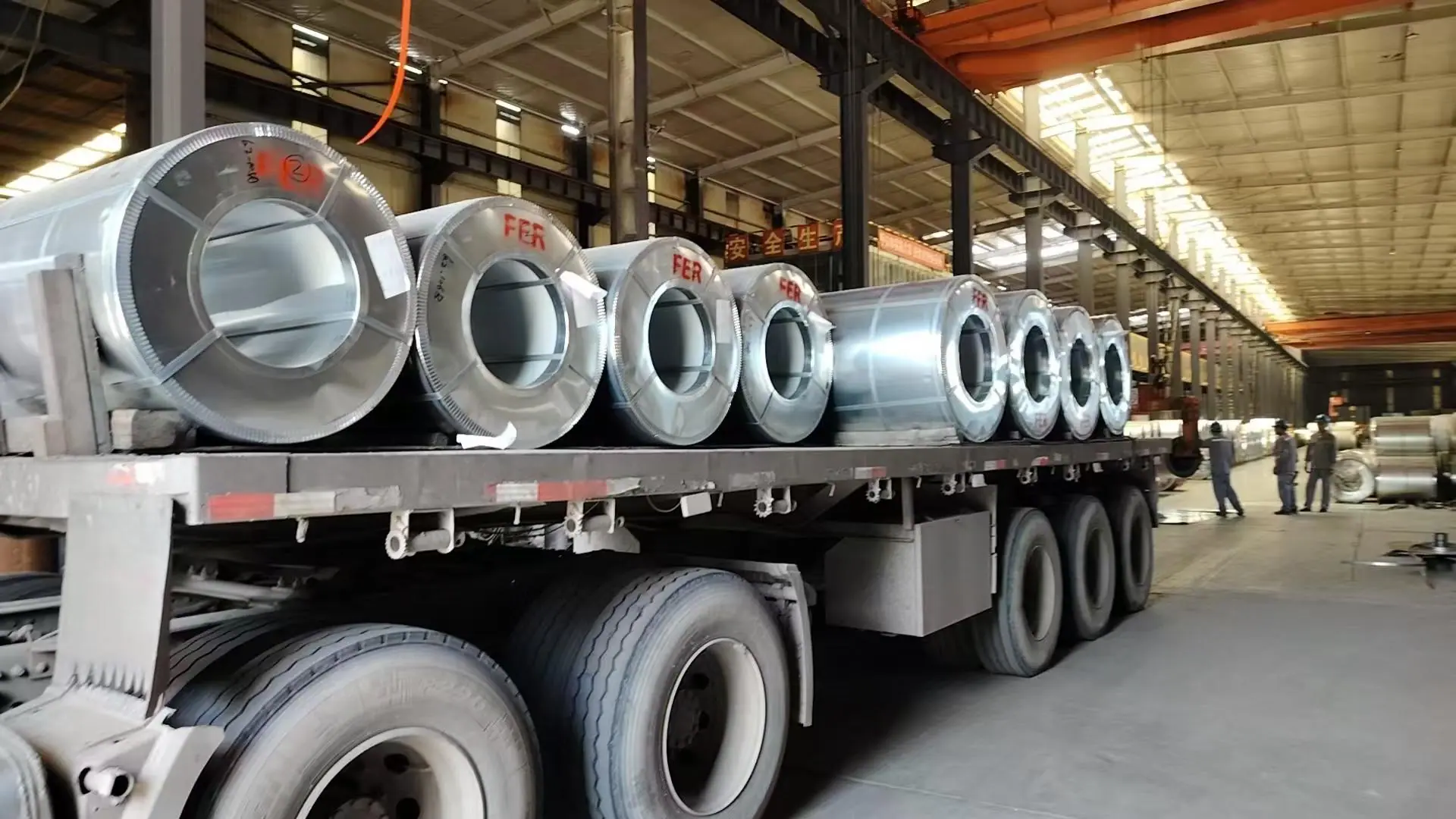
أنظمة طلاء سبيكة الفولاذ PPGI: PE وSMP وHDP وPVDF - كيفية اختيار الطلاء السطحي المناسب لمناخك
دليل شامل لأنظمة طلاء PPGI: جدول مقارنة بين PE وSMP وHDP وPVDF، ونصائح لاختيار الطلاء بناءً على المناخ، وشرح طبقات الطلاء، وتolerances الألوان، وفحوصات الجودة.
لفة الفولاذ المصنوع من الصلب المجلفن المطلي — يُطلق عليها عادة PPGI أو اللفة المطلية بالألوان — هي فولاذ مجلفن يتم تشطيبه بطبقة أولية وطبقة علوية تُطبق في المصنع على خط طلاء اللفات المستمر. ونظراً لأن الطلاء يُطبق في عملية صناعية خاضعة للتحكم، فإن PPGI يوفر سُمكاً موحداً للفيلم، ولصقاً ممتازاً، ولوناً متسقاً عبر كامل اللفة — وهي جودة لا يمكن للطلاء المطبق في الموقع مطابقتها أبداً.
القرار المواصفات الأهم لمشروع PPGI هو نظام الطلاء. فبولي يوريثان (PE)، وبولي يوريثان معدل بالسيليكون (SMP)، وبولي يوريثان عالي التحمل (HDP)، وبولي فينيليدين فلورايد (PVDF) تقدم أطوال عمر مختلفة جداً، ومستويات أسعار مختلفة، وأنماط فشل مختلفة. يشرح هذا الدليل كل نظام ببساطة ويُظهر لك كيف توافق الطبقة العلوية مع مناخك وعمر مشروعك.
كيف تُصنع لفة الفولاذ المطلي: خط طلاء اللفات
في خط طلاء اللفات المستمر (CCL)، تمر شريط GI أو GL المعالج مسبقاً عبر سلسلة من البكرات والأفران. تٌطبق الطبقة الأولية أولاً لتعزيز الالتصاق ومقاومة التآكل، تليها الطبقة العلوية الملونة التي تُعالج في فرن ذو درجة حرارة عالية. تُطبق طبقة خلفية رقيقة لحماية الجانب الآخر. ثم تُلف اللفة المنتجة مرة أخرى للتسليم — جاهزة للقص والشطب وتشكيلها بالتدوير للحصول على ألواح السقف، والواح الجدران، ومئات الملفات المصنعة دون الحاجة إلى أي طلاء في الموقع.
مقارنة أنظمة الطلاء الأربعة
| النظام | السمك العادي للفيلم (DFT) | العمر الافتراضي (في الأماكن الخارجية) | اللمعان والثبات اللوني | التكلفة النسبية | الأفضل لـ |
|---|---|---|---|---|---|
البولي إستر (PE) | 15–20 µm | 10–15 سنة | جيد؛ تآكل متوسط بعد السنين | $ (أساسي) | المشروعات الداخلية والخارجية الخفيفة ذات الميزانية المحدودة |
| SMP (بوليستر معدل بالسيليكون) | 20–25 µm | 15–20 سنة | مقاومة أفضل للأشعة فوق البنفسجية؛ احتفاظ أقل بلمعان السطح | $ | الأسقف الخارجية في المناخات المعتدلة |
| HDP (بوليستر عالي المتانة) | 20–25 µm | 20–25 سنة | لمعان ممتاز والاحتفاظ بالألوان | $$ | أسقف متميزة، المناخات الحارة |
| PVDF (بوليفينيليدن فلورايد) | 25 µm | 25+ سنة | متميزة؛ أعلى مقاومة للأشعة فوق البنفسجية | $$ | المشاريع الساحلية، المعمارية، والمعالم |
يرجى ملاحظة أن سماكة الطلاء وحدها لا تحدد العمر الافتراضي — فـكيمياء الراتنج هي المحرك الأساسي لمقاومة الأشعة فوق البنفسجية، والالتبتر، وبهتان اللون. قد يتفوق نظام PE المطبق جيداً على نظام PVDF رقيق سيء المعالجة. تحقق دائماً من سماكة الطلاء الجاف (DFT) وقيمة اللمعان المُصرح بها في شهادة المصنع.
مطابقة نظام الطلاء مع المناخ وظروف التعرض
المناطق الاستوائية والاستوائية (أشعة فوق بنفسجية عالية، حرارة، رطوبة) — اختر HDP أو PVDF. فالأشعة فوق البنفسجية العالية تسبب الالتبتر وبهتان اللون؛ وسيتدهور نظام PE بشكل ملحوظ أسرع بكثير.
الاجواء الساحلية والبحرية — يُعد نظام PVDF مع ركيزة متينة (PPGL) المعيار للمشاريع البحرية الفاخرة؛ كحد أدنى، استخدم HDP على ركيزة GI أثقل.
المناخات المعتدلة، التعرض المعتدل — يوفر SMP أو HDP أفضل توازن بين التكلفة والأداء.
الاستخدامات الداخلية، الأسقف، والواجهات الخفيفة — نظام PE اقتصادي وكافي تماماً.
الاجواء الصناعية / الملوثة — اختر HDP أو PVDF وتأكد من وزن طلاء الركيزة (Z180+) لمقاومة الهجوم الكيميائي عند الحواف المقطوعة.
فهم رصيف الطلاء: الأساس، الطلاء العلوي، الطلاء الخلفي
تتكون عادةً من طبقة طلاء PPGI الكاملة مما يلي:
الطبقة العلوية (Topcoat) — الطلاء الملون للوجه الأمامي، بسماكة 15–25 µm حسب النظام؛ وهو يحدد المظهر والأداء ضد الأشعة فوق البنفسجية والمتانة.
الطبقة الأساسية (Primer) — طبقة رابطة رقيقة (5–10 µm) بين الطبقة الزنكية والطلاء العلوي تضمن التصاقاً قوياً وتمنع تآكل الصدأ تحت الطلاء.
الطبقة الخلفية (Backcoat) — طبقة إبوكسي أو بولستر بسماكة 5–10 µm على الوجه الخلفي تحمي من التكثف والخدوش والتآكل.
عندما يشير المواصفة إلى 2/1، فهذا يعني طبقتين على الوجه الأمامي (طبقة أساسية + طبقة علوية) وطبقة واحدة على الوجه الخلفي. ويضيف 2/2 طبقة أساسية خلفية وطبقة علوية خلفية لحماية أعلى للجهة الخلفية — وهو مفيد للملفات المعدنية حيث يكون الوجه الخلفي ظاهراً أو معرضاً.
مطابقة الألوان ومستوى اللمعان
يتوفر PPGI في كامل مدى ألوان RAL ومربعات Pantone أو ألوان مخصصة. وتضمن المصانع عالية الجودة مطابقة الألوان ضمن ΔE ≤ 1.5 — وهو قدر من الانحراف غير مرئي بالعين المجردة في ظروف المشاهدة العادية. يمكن تحديد مستويات لمعان تتراوح بين 20% و80%; فالمستويات الأعلى من اللمعان تبدو أكثر حيوية ولكنها تُظهر الخدوش والغبار بسرعة أكبر، ولذلك تكتفي العديد من مشاريع الأسقف بمستوى لمعان نصفي يتراوح بين 30% و50%.
فحوصات الجودة لفولاذ PPGI الملفوف
- سمك الطلاء — تحقق من سُمك الطلاء العلوي والسفلي باستخدام جهاز قياس سمك الطلاء؛ وقارن ذلك مع الشهادة.
- اتساق اللون — راجع فرق اللون بين الدولاب والدولاب؛ المورد الموثوق يتوافق مع ΔE ≤ 1.5.
- الالتصاق والقدرة على التشكيل — تأكد من نتائج انحناء T والصدمات من شهادة المصنع؛ يجب ألا يتشقق الطلاء عند الانحناء بنسبة 1T–2T.
- عيوب السطح — فحص الخدوش، والثقوب الدقيقة، وتآكل قشر البرتقال، والتلوث الناتج عن معالجة الدولاب.
تطبيقات سبائك PPGI
- ألواح السقف والمشاريب المتموجة — أكبر استخدام لـ PPGI من حيث الحجم في جميع أنحاء العالم.
- ألواح الجدران وألواح面板 — ألوان ديكورية مع أداء هيكلي.
- منتجات المباني المطوية — المصاريف، والأغطية الحرجة، والقبعات الرأسية، والزخارف.
- الأجهزة المنزلية والتجهيزات الداخلية — أسطح مرئية خالية من العيوب.
الأسئلة الشائعة
الخاتمة
يُعد نظام الطلاء قراراً ذا أعلى أثر في مواصفات لفائف PPGI. طابق كيمياء الراتنج مع ظروف التعرض — PE للاقتصاد، وSMP وHDP للاستخدام الخارجي الشائع، وPVDF للمشاريع المتميزة والساحلية — وتحقق من سماكة طبقة الطلاء وتحمل اللون قبل قبول التسليم. يوفر لفائف PPGI المحددة بشكل صحيح أداءً منخفض الصيانة لعقود طويلة.
تنتج SUNSEA STEEL CO., LIMITED لفائف PPGI بأنظمة PE وSMP وHDP وPVDF على ركيزة GI من Z40 إلى Z275، وبسماكات تتراوح من 0.12–1.2 مم وعروض تصل إلى 1250 مم، وفقاً لمعايير ASTM A755 وEN 10169 وJIS G3312. هل تحتاج مساعدة في اختيار النظام المناسب لمناخك؟ أرسل بريدًا إلكترونيًا إلى [email protected] أو راسل +86 152 6555 2259 عبر واتساب — سيراجع مهندسونا ظروف التعرض الخاصة بك ويوصون بأكثر الأنظمة كفاءة من حيث التكلفة.
Frequently Asked Questions
ما الفرق بين أنظمة الطلاء PE وSMP وHDP وPVDF؟
تختلف أساساً في كيمياء الراتنج ومتانتها الخارجية. PE (بوليستر) هو الخيار الاقتصادي القياسي بعمر خارجي 10-15 سنة. SMP (بوليستر معدل بالسيليكون) يحسن مقاومة الأشعة فوق البنفسجية إلى 15-20 سنة. HDP (بوليستر عالي المتانة) يوفر لمعاناً ممتازاً وثبات لون لمدة 20-25 سنة. PVDF هو النظام الممتاز بعمر 25+ سنة وأعلى مقاومة للأشعة فوق البنفسجية والتكلس.
ما معنى هيكل الطلاء 2/1 أو 2/2 لسبيكة الفولاذ PPGI؟
يصف عدد الطبقات على كل جانب. 2/1 يعني طبقتين على الوجه الأمامي (طبقةpriming + طبقة علوية) وطبقة واحدة على الظهر. 2/2 يضيف طبقةpriming خلفية وطبقة علوية خلفية لحماية أقوى للجانب الخلفي، وهو مفيد عندما يكون الوجه الخلفي مرئياً أو معرضاً للتكاثف.
أي نظام طلاء هو الأفضل للمناطق الساحلية؟
للمناطق الساحلية والتعرض البحري، يُعتبر PVDF الخيار المتميز القياسي بسبب مقاومته Outstandingة للأشعة فوق البنفسجية والتكلس، ومن مثالي استخدامه على ركيزة Galvalume (PPGL) لأقصى أداء مضاد للتآكل. HDP هو خيار مناسب ذو قيمة مقبولة في المناطق الساحلية المعتدلة.
كم عدد ألوان RAL المتاحة لملفات PPGI؟
يمكن توريد نطاق RAL الكامل بالإضافة إلى ألوان Pantone والألوان المخصصة. تمت مطابقة الألوان في المصانع ذات الجودة العالية بدقة delta E تساوي 1.5 أو أفضل، مما يجعلها غير قابلة للتمييز بصرياً تحت ظروف المشاهدة العادية.
ما هي ضمانات الطلاء لسبيكة الفولاذ المطلية مسبقاً؟
الضمانات النموذجية هي 10-15 سنة لـ PE، و15-20 سنة لـ SMP، و20-25 سنة لـ HDP، و25+ سنة لـ PVDF اعتماداً على البيئة وظروف التركيب. يغطي الضمان سلامة الغشاء film integrity والتكلس وتلاشي اللون ضمن حدود محددة.
هل يمكن لف وform سبيكة الفولاذ PPGI دون تشقق الطلاء؟
نعم. صُممت PPGI خصيصاً لعمليات اللف والتشكيل. проходят الملفات ذات الجودة اختبارات الانحناء T-bend ولزوم الصدمات (غالباً انحناءات 1T-2T دون تشقق الطلاء) ويتم تسليمها بمرونة تسمح بالطي التموجي والثقب والتشكيل.
ما هي كمية الطلب الدنيا لملفات PPGI؟
الكمية الدنيا النموذجية هي 25 طناً مترياً لكل لون ومواصفة لحاوية كاملة. عادة ما تتطلب طلبات الحاويات المختلطة الحد الأدنى 5 أطنان مترية لكل لون بمجموع 25 طناً مترياً، اعتماداً على جدول المورد.