Common CRC Storage and Usage Problems: Prevention and Solutions
Troubleshooting guide for CRC issues: rust, coil breaks, stretcher strains, fluting, edge wave, and oil staining with prevention measures.
Troubleshooting guide for CRC issues: rust, coil breaks, stretcher strains, fluting, edge wave, and oil staining with prevention measures.
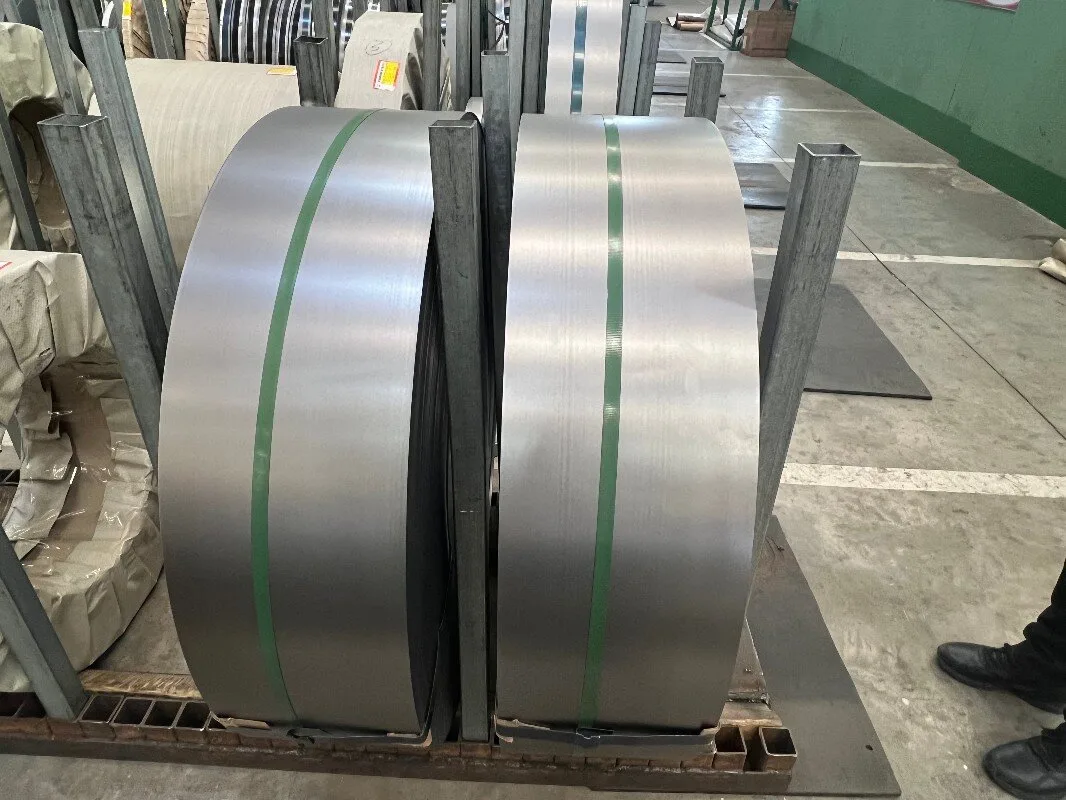
Cold rolled steel is more sensitive to storage and handling conditions than hot rolled steel due to its thin gauge, clean surface, and thin oil film. Understanding common problems and their prevention saves significant scrap and rework costs.

Problem 1-3: Rust, Coil Breaks, Stretcher Strains
1. Rust and Oxidation
- Cause: Moisture contact — from condensation, rain, or humidity >70%. CRC's clean, reactive surface rusts within 24-48 hours of moisture exposure.
- Prevention: Indoor storage only. VCI wrapping for export. Maintain warehouse humidity <60%. Use desiccant in container shipments. Never stack coils near open doors or uninsulated walls.
2. Coil Breaks (transverse lines)
- Cause: Stress concentration at coiling point during winding. Most common in first 2-3 wraps of the coil. Can also occur from forklift impact.
- Prevention: Accept that outer 1-2 wraps may have coil breaks — this is normal. Specify "sacrificial wraps" in purchase contract. Handle with proper coil lifters, not forks through the bore.
3. Stretcher Strains (Lüders lines)
- Cause: Yield point elongation in unannealed or insufficiently skin-passed CRC. Appears as surface lines during forming.
- Prevention: Verify skin pass reduction ≥0.5% (eliminates yield point elongation). Use CRC within 6 months of production — aging can restore yield point elongation in some grades.


Problem 4-5: Fluting and Edge Problems
4. Fluting (surface undulation)
- Cause: Insufficient skin-pass elongation OR aging of CRC (carbon migration restoring yield point). Appears as periodic surface waves during leveling or roll forming.
- Prevention: Use CRC within 3-6 months of production. For longer storage, specify "non-aging" grade (IF or stabilized chemistry). Re-leveling with tension leveler can temporarily correct fluting.
5. Edge Wave / Center Buckle
- Cause: Shape defects from cold rolling or inadequate crown control. Edge wave: edges longer than center. Center buckle: center longer than edges.
- Prevention: Specify flatness tolerance ≤5 I-units. Verify flatness at receiving with straight edge. Shape defects cannot be corrected by tension leveling alone — hot leveling is required for severe cases.
Storage Best Practices Summary
- Environment: Indoor only. Temperature 10-30°C. Humidity <60%. No sudden temperature changes (causes condensation).
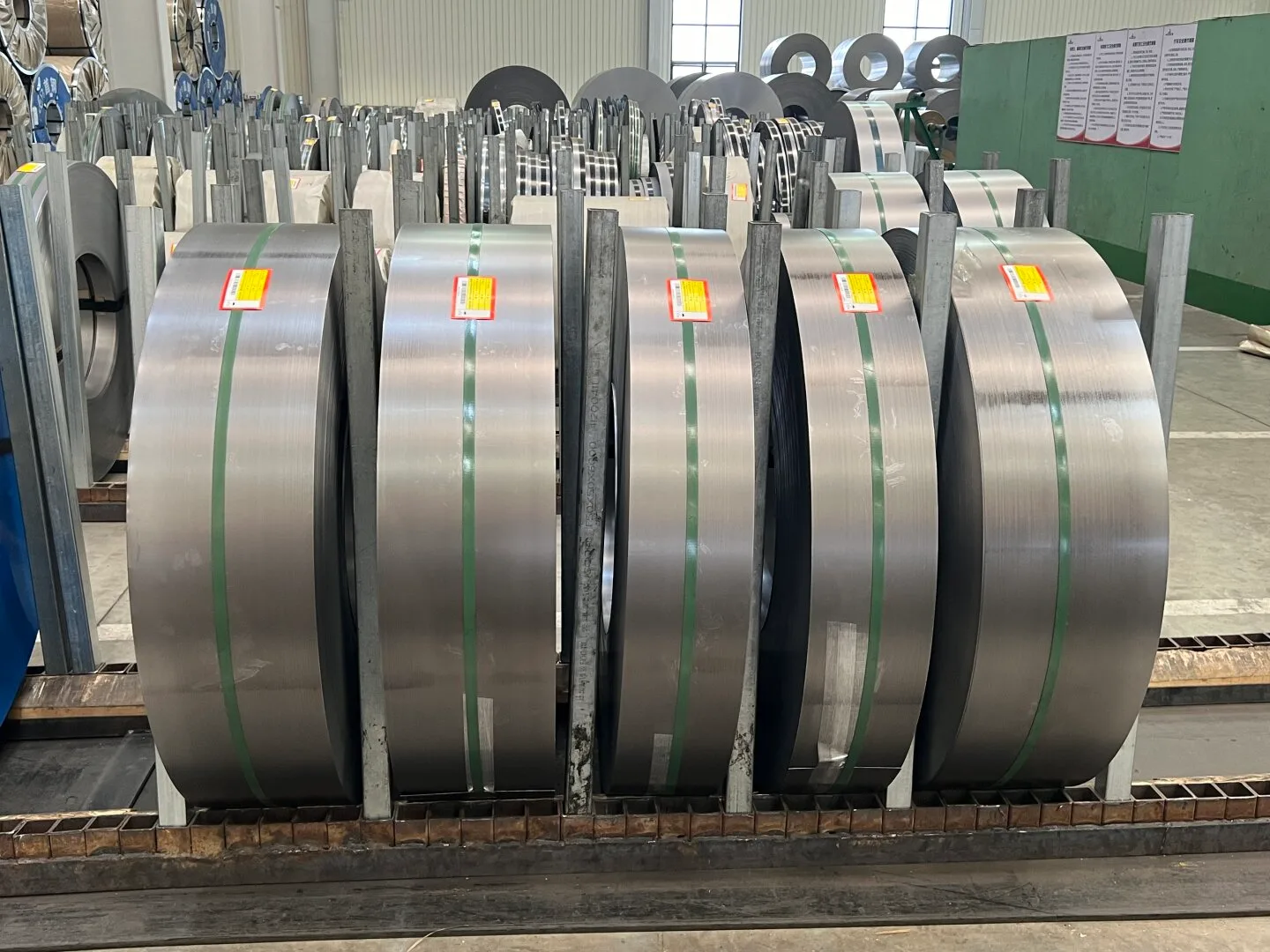
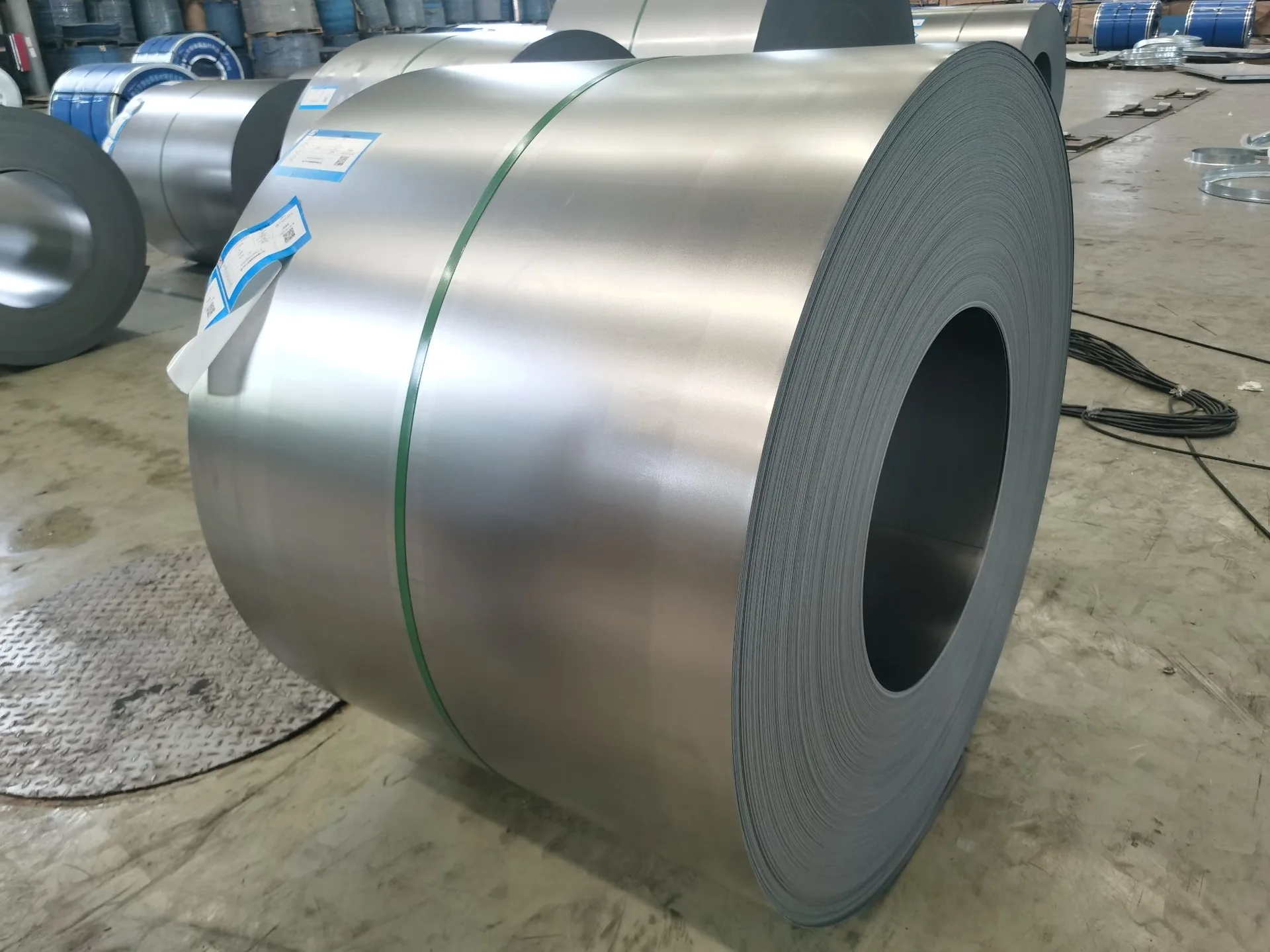
- Orientation: Eye horizontal on cradle. Never stand coils on their edge.
- Wrapping: VCI inner wrap + waterproof outer wrap for any storage >7 days. Remove outer wrapping immediately before processing (trapped moisture is worse than no wrapping).
- FIFO (First In, First Out): Critical for CRC. Aging effects (stretcher strains, fluting) worsen with time. Use oldest coils first.
- Oil management: If CRC arrives dry (no oil), apply protective oil within 24 hours or process immediately. Dry CRC rusts within 48 hours in >50% humidity.
📌 Key Takeaways
- CRC rusts within 24-48 hours of moisture exposure — indoor storage and VCI wrapping mandatory
- Outer 1-2 coil wraps commonly have coil breaks — specify "sacrificial wraps" in contract
- Use CRC within 3-6 months — aging restores yield point elongation causing stretcher strains
- FIFO inventory management is critical — oldest coils first to minimize aging defects
Conclusion
Most CRC field problems are preventable through proper specification, storage, and inventory management. The modest investment in correct handling practices pays for itself many times over in reduced scrap and customer complaints.
💬 Need Expert Advice?
Our steel specialists are ready to help with product selection, technical questions, and competitive pricing.