EPS vs PU vs Rockwool Sandwich Panels: Which Insulation Core is Right for You?
Technical comparison of three sandwich panel core materials covering thermal performance, fire rating, structural properties, and application selection.
EPS vs PU vs Rockwool Sandwich Panels: Which Insulation Core is Right for You?
Technical comparison of three sandwich panel core materials covering thermal performance, fire rating, structural properties, and application selection.
The core material inside a sandwich panel determines thermal performance, fire safety, structural contribution, and cost. This article provides the technical data to select the right core for your application.
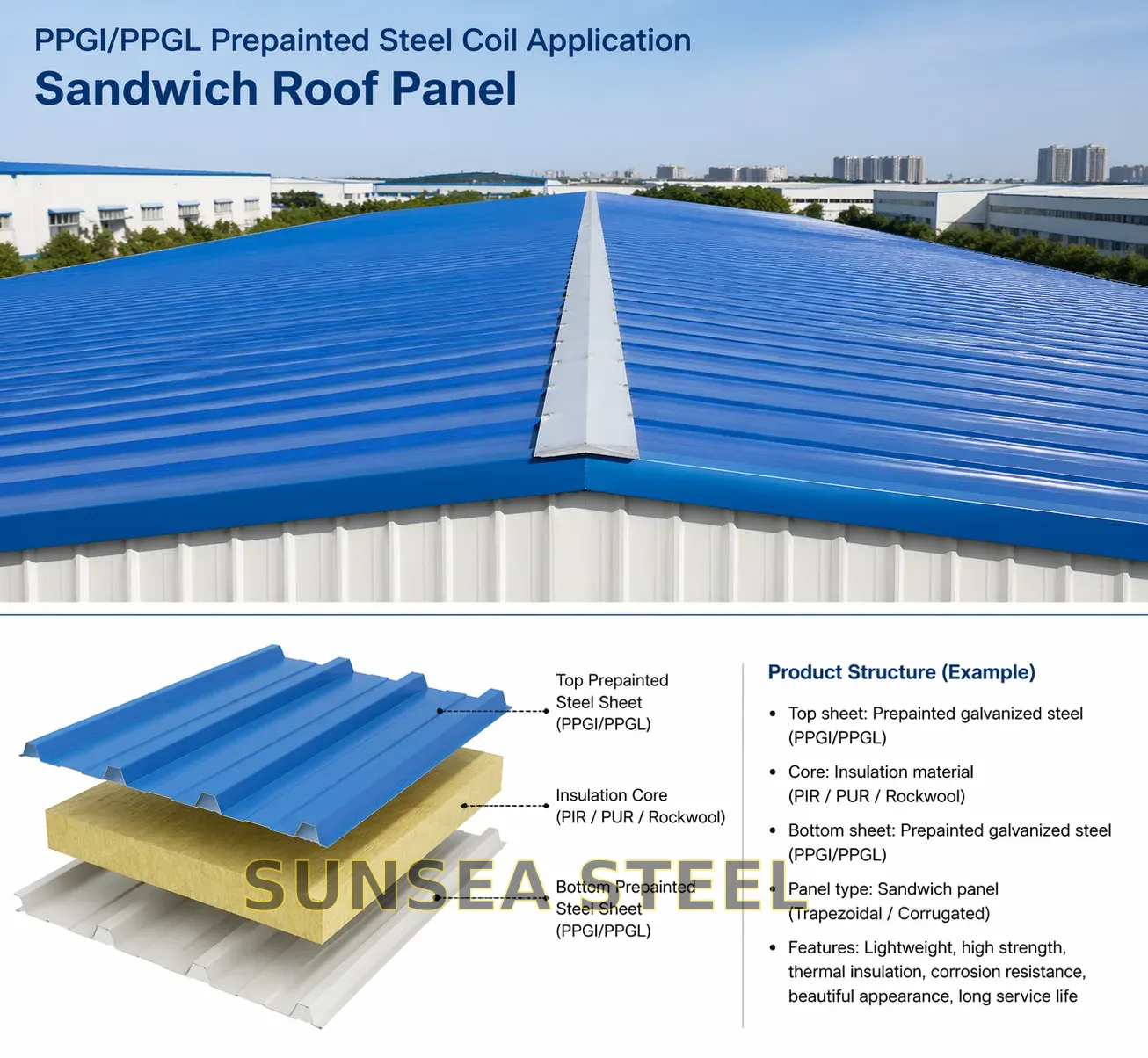
Core Material Properties Comparison
| Property | EPS (Polystyrene) | PU/PIR (Polyurethane) | Rockwool (Mineral) |
|---|---|---|---|
| Thermal conductivity | 0.035-0.040 W/m·K | 0.020-0.025 W/m·K | 0.038-0.044 W/m·K |
| R-value per 50mm | R-1.3 to R-1.4 | R-2.0 to R-2.5 | R-1.1 to R-1.3 |
| Fire rating (EN 13501) | E (combustible) | B-s1,d0 to C-s2,d0 | A1 (non-combustible) |
| Density | 15-25 kg/m³ | 38-42 kg/m³ | 80-150 kg/m³ |
| Panel weight (50mm) | 8-10 kg/m² | 10-12 kg/m² | 14-18 kg/m² |
| Cost index | 1.0× (baseline) | 1.5-2.0× | 2.0-2.5× |
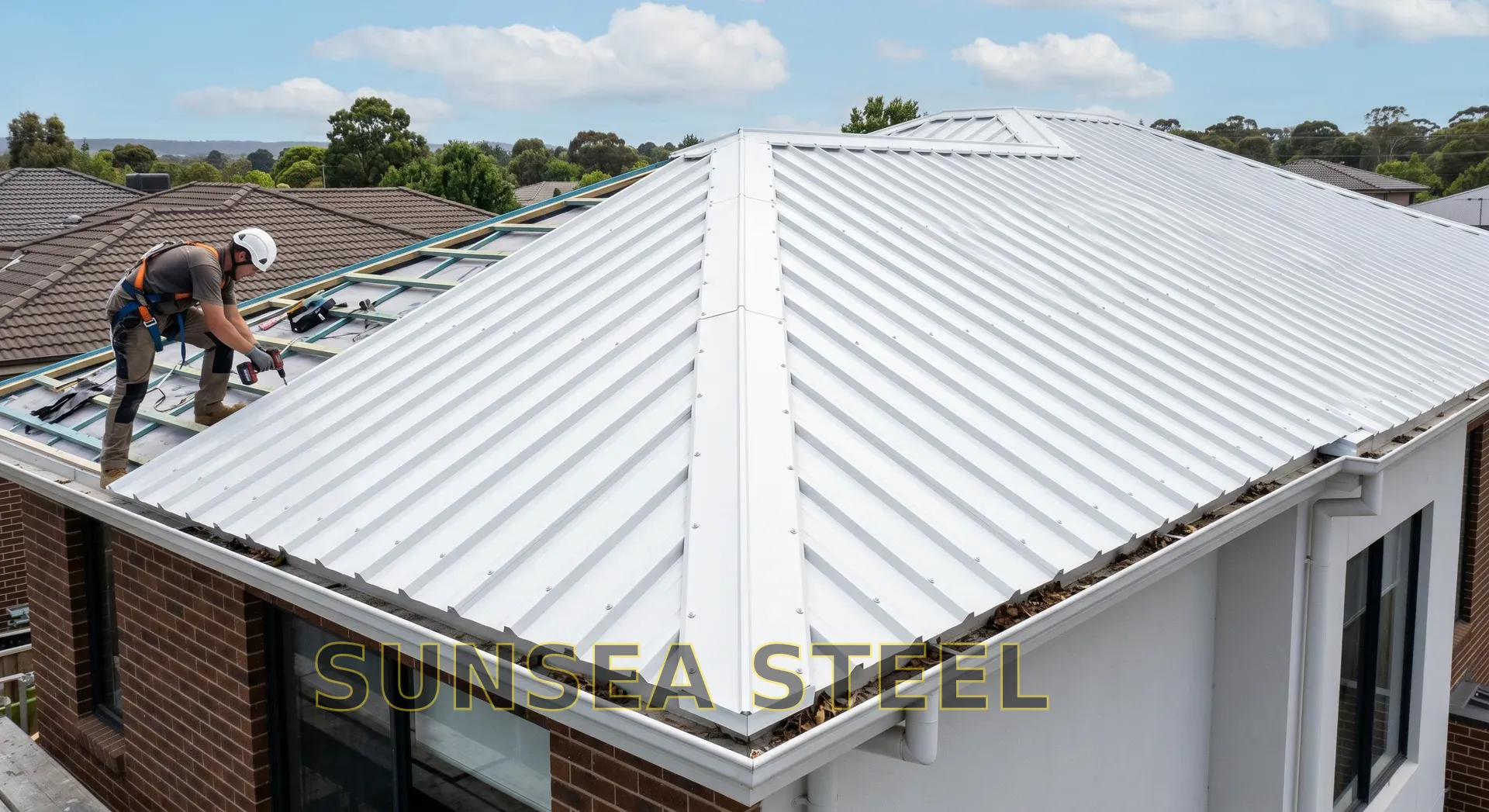
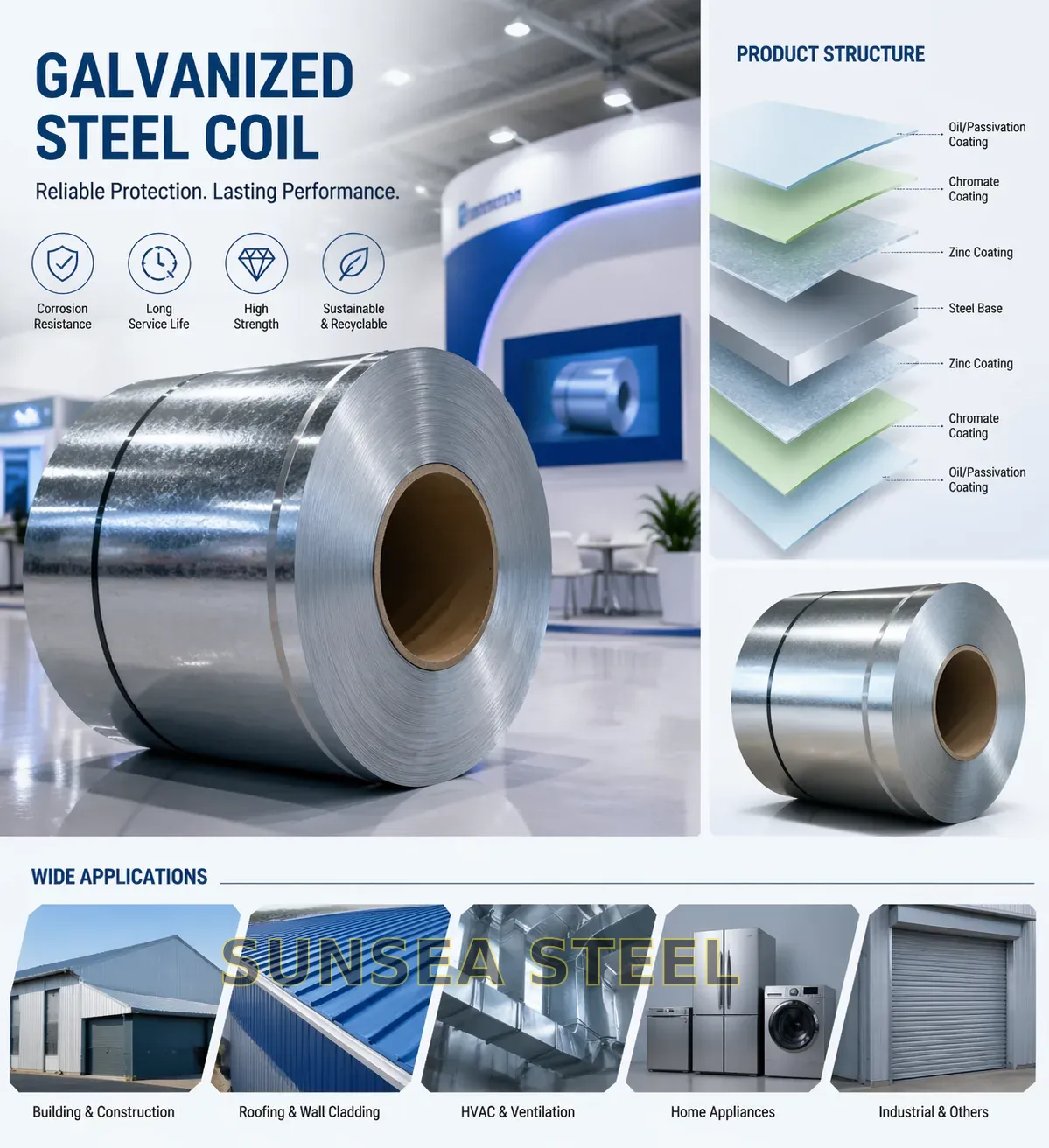
When to Choose Each Core
- EPS (Polystyrene): Cleanrooms, cold storage, partition walls, budget residential insulation. Avoid for fire-rated applications. Never use for buildings >18m tall or where fire certification is required. Best value for non-fire-critical applications.
- PU/PIR (Polyurethane/Polyisocyanurate): The best all-rounder. Premium insulation performance with reasonable fire rating (B-s1,d0 for PIR). Ideal for commercial buildings, food processing, cold chain logistics, and pharmaceutical facilities. PIR variant is self-extinguishing and chars rather than melts.
- Rockwool (Mineral Wool): Mandatory for fire-rated applications: hospitals, schools, high-rise buildings, shopping malls, theaters, and any building where fire separation is required by code. A1 non-combustible = passes all fire tests. Also excellent for acoustic insulation (30-40% better sound reduction than PU).
Total Cost Optimization Strategies
- Mixed systems: Use rockwool for fire-rated walls (code requirement) and PU for the roof (maximizes insulation at lowest weight). This balances fire compliance with thermal performance.
- Thickness optimization: PU at 50mm provides the same R-value as rockwool at 100mm. For roof applications where weight matters, PU at half thickness = significant structural savings.
- Lifecycle cost: PU's superior R-value per mm means thinner panels = lighter structure = less steel framing. A 10,000m² warehouse with PU roof vs rockwool roof saves approximately 5-8% on total structural steel cost.
📌 Key Takeaways
- PU/PIR provides 2× the insulation per mm compared to EPS or rockwool — best space efficiency
- Rockwool is the only A1 (non-combustible) core — mandatory for hospitals, schools, and high-rise
- EPS is 50-60% cheaper than PU but offers no fire resistance — budget-only applications
- Mixed system approach: rockwool walls (fire) + PU roof (insulation) optimizes both cost and code
Conclusion
The "best" core depends on your primary requirement: thermal performance (PU), fire safety (rockwool), or budget (EPS). Most commercial projects benefit from a mixed approach using each core where it provides the greatest value.
💬 Need Expert Advice?
Our steel specialists are ready to help with product selection, technical questions, and competitive pricing.