Galvalume High Temperature Performance: Why GL Outperforms GI Above 230°C
Technical analysis of Galvalume's heat resistance properties including maximum service temperature, thermal cycling, and high-temp applications.
Galvalume High Temperature Performance: Why GL Outperforms GI Above 230°C
Technical analysis of Galvalume's heat resistance properties including maximum service temperature, thermal cycling, and high-temp applications.
One of Galvalume's most important but often overlooked advantages is its superior heat resistance. GL maintains structural integrity and corrosion protection at temperatures up to 315°C continuous service — compared to just 230°C for galvanized steel. This 85°C difference opens significant application possibilities.
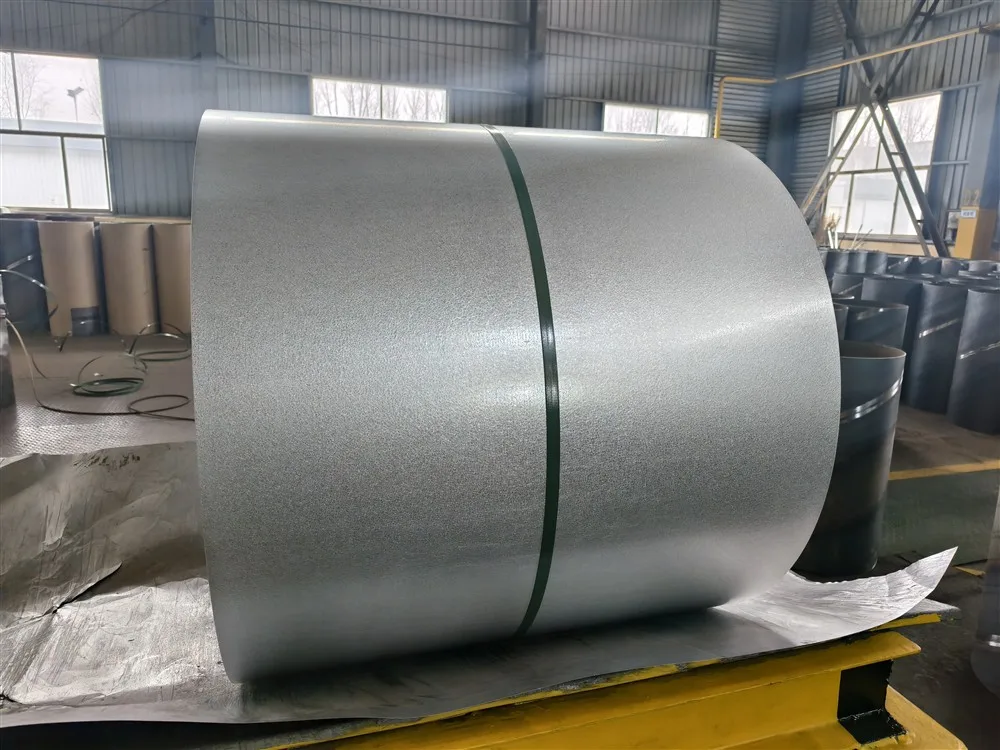
Why GL Tolerates Higher Temperatures
The temperature limitation of coated steels is determined by intermetallic alloy layer growth at the coating-steel interface:
- GI (pure zinc): Above 230°C, zinc-iron intermetallic phases grow rapidly, consuming the ductile zinc coating and creating a brittle, powdery layer that spalls (delaminates). By 250°C, coating integrity is seriously compromised within weeks.
- GL (Al-Zn alloy): The aluminum-rich dendrites form a stable iron-aluminum intermetallic that resists growth up to 315°C. The silicon addition further suppresses excessive alloy layer formation. Result: GL coating remains adherent and protective at temperatures that destroy GI coating.
Above 315°C, GL also begins to degrade as the aluminum-rich phases transform and oxidize rapidly. For applications above 315°C, use aluminum-coated (Type 1) or ceramically-enhanced coatings.
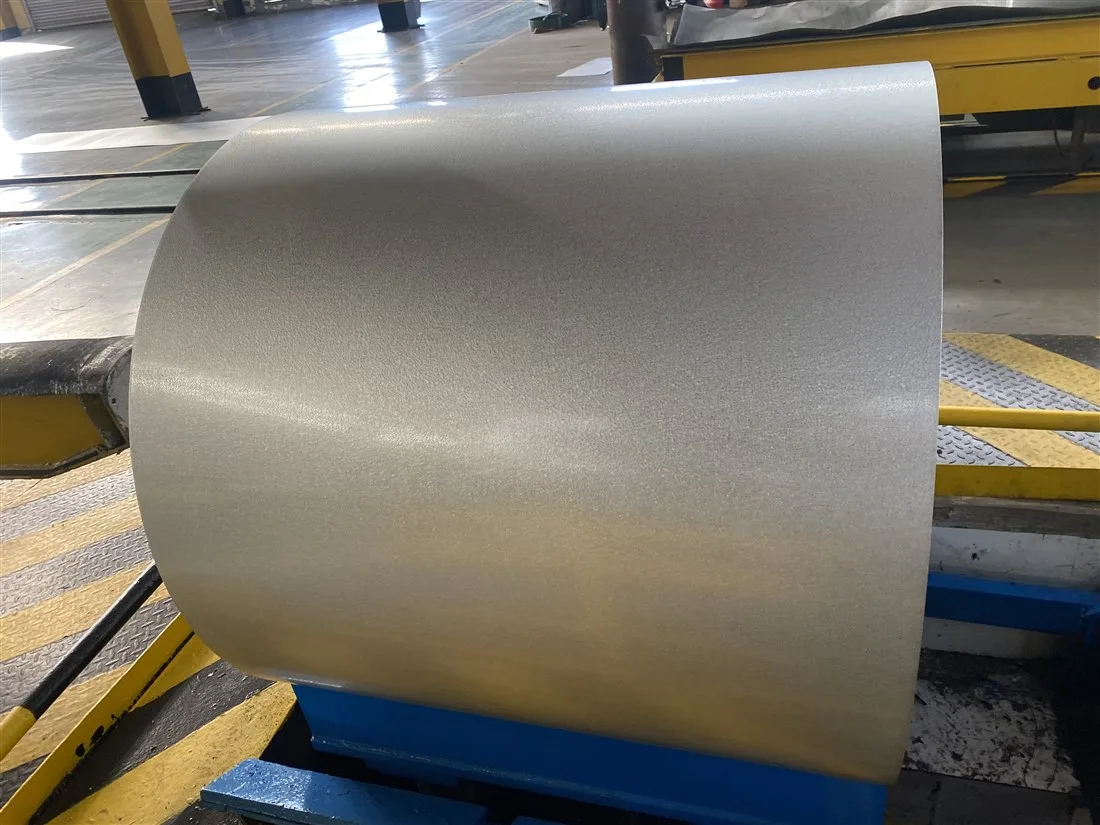
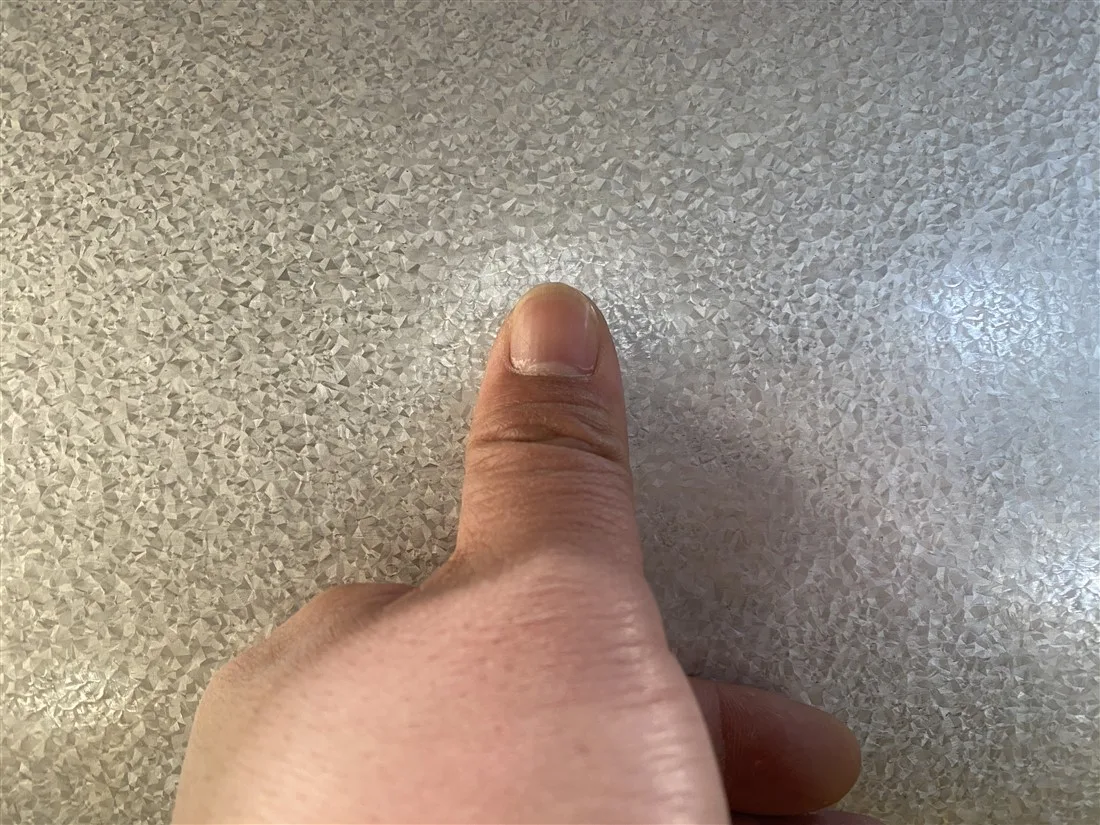
High Temperature Application Examples
- Exhaust systems: Automotive and generator exhaust heat shields, stack liners (200-300°C intermittent)
- Oven and furnace panels: Commercial baking ovens, industrial drying furnaces, kiln exteriors (150-280°C continuous)
- HVAC high-temperature zones: Hot air ducts near heat exchangers, boiler casings (100-200°C continuous)
- Industrial chimney liners: Flue gas applications up to 300°C continuous
- Radiant barrier and heat shields: Building ceiling radiant barriers, machinery heat shields, process enclosures
In each application, GL's high solar reflectivity (75%) provides an additional advantage — reflecting radiant heat rather than absorbing it, keeping the substrate cooler.
Thermal Cycling Performance
Many applications involve repeated temperature cycling rather than constant elevated temperatures. GL excels here because:
- The aluminum oxide surface layer is thermally stable and self-healing after each cycle
- The coating-steel bonding layer resists fatigue cracking during expansion/contraction cycles
- Testing shows GL withstands 10,000+ cycles from ambient to 250°C without coating failure
This thermal cycling resistance is particularly important for solar installations where daily temperature swings of 40-60°C are common over 25+ year service life.
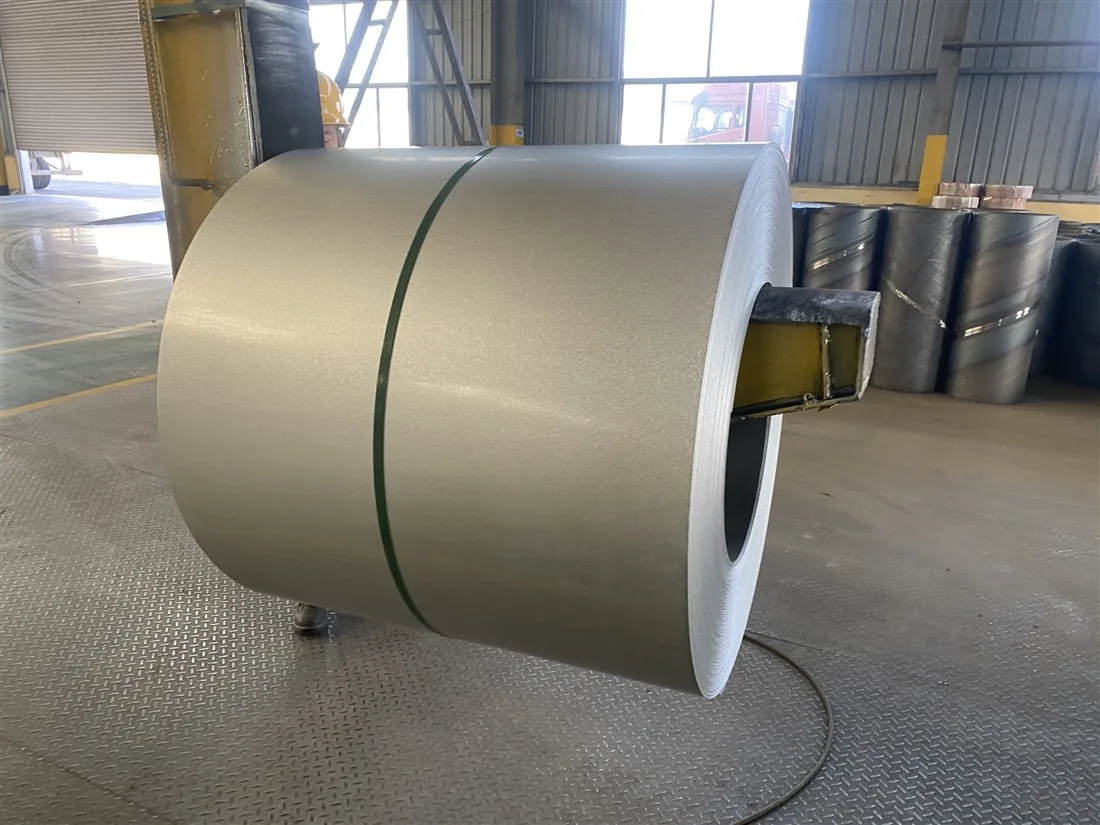
📌 Key Takeaways
- GL withstands 315°C continuous vs 230°C for GI — an 85°C advantage
- GI coating degrades above 230°C due to brittle zinc-iron intermetallic growth
- GL is proven in exhaust systems, oven panels, HVAC, and chimney liner applications
- GL withstands 10,000+ thermal cycles from ambient to 250°C without coating failure
Conclusion
For any application involving elevated temperatures between 230-315°C, Galvalume is the clear specification choice over galvanized steel. This temperature advantage, combined with GL's superior reflectivity and corrosion resistance, makes it the optimal material for the full range of heat-exposed coated steel applications.
💬 Need Expert Advice?
Our steel specialists are ready to help with product selection, technical questions, and competitive pricing.