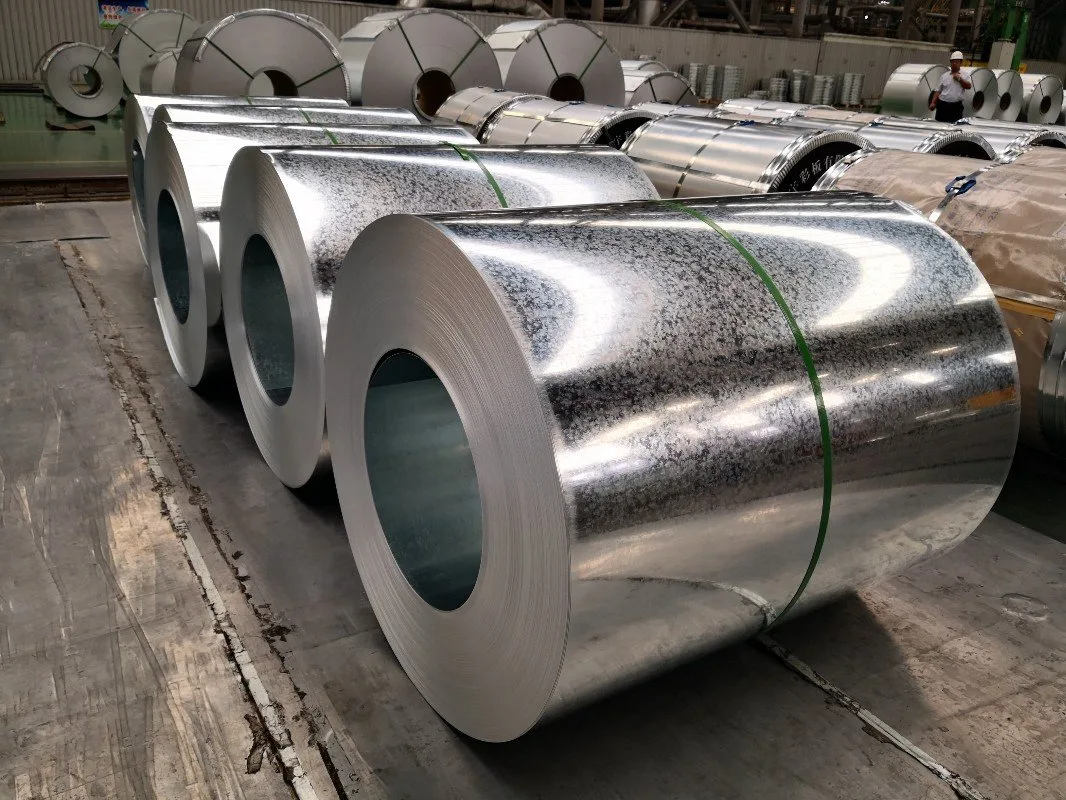
Galvanized Steel Coil: What Is It, What Is It Used For, and How Do You Choose the Right GI Coil?
Learn what galvanized steel coil is, how GI coils are produced, where they are used, and how to choose the right zinc coating, thickness, spangle, and surface treatment for your project.
Galvanized steel coil (GI coil) is carbon steel coil coated with a layer of zinc to improve corrosion resistance and extend service life. It is widely used for roofing sheets, wall panels, ducts, home appliances, steel framing, doors, pipes, and general fabrication. To choose the right GI coil, buyers should compare base steel grade, thickness, width, zinc coating weight, spangle type, surface treatment, and end-use environment.
- For general indoor or dry environments, standard commercial GI coil is usually sufficient.
- For roofing and outdoor construction, higher zinc coating and better surface treatment are recommended.
- For humid, coastal, or industrial areas, buyers should choose heavier zinc coating for longer durability.
- For forming, bending, and profiling, the mechanical properties and elongation must also match the application.
This guide explains what galvanized steel coil is, how it is made, how it compares with other coated steel products, and how to select the most suitable GI coil for your market or project.
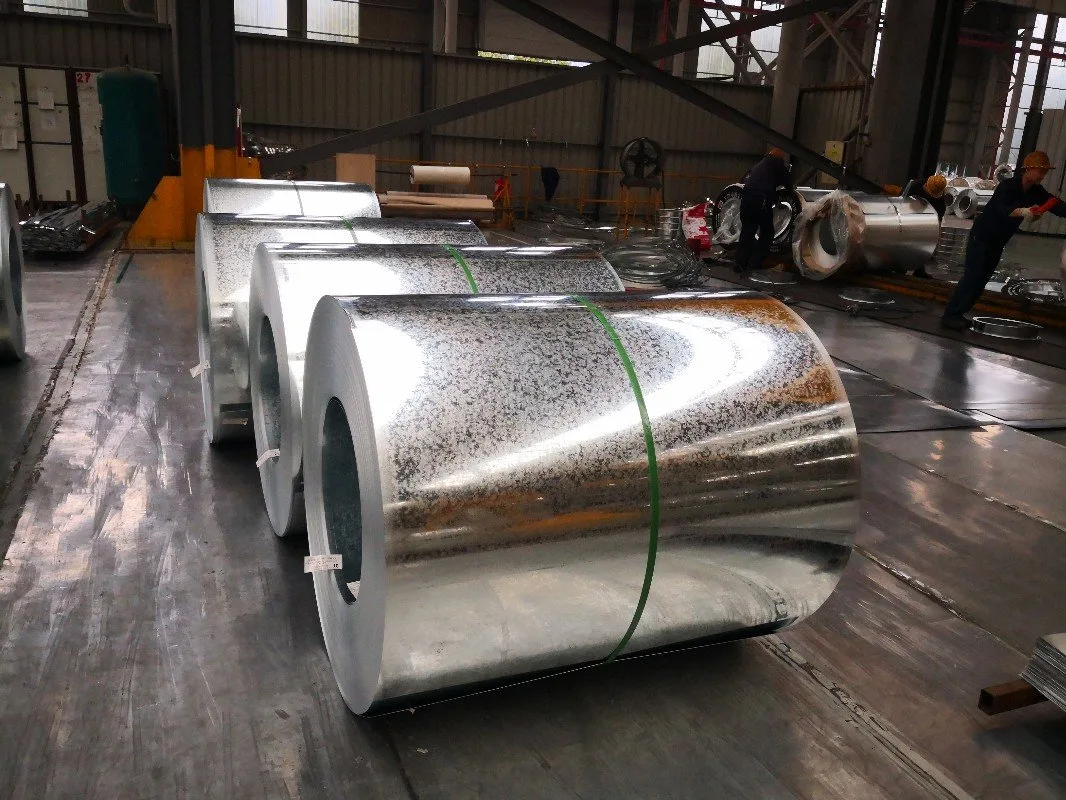
What Is Galvanized Steel Coil?
Galvanized steel coil, often called GI coil, is steel coil coated with zinc through a hot-dip galvanizing process. The zinc layer acts as a protective barrier between the steel substrate and the surrounding environment. Even if the surface is scratched slightly, zinc can still provide sacrificial protection and help reduce the risk of red rust.
Because of this protective coating, galvanized steel coil offers a good balance of strength, corrosion resistance, workability, availability, and cost-effectiveness. It is one of the most widely used steel materials in the construction, appliance, automotive, HVAC, and manufacturing industries.
How Is GI Coil Manufactured?
The production of galvanized steel coil usually follows these steps:
- Base steel preparation – cold rolled steel coil is cleaned and prepared.
- Annealing – the steel is heated to achieve the required mechanical properties.
- Hot-dip galvanizing – the steel strip passes through molten zinc.
- Air knife control – coating thickness is adjusted to the target zinc weight.
- Cooling and solidification – the zinc layer forms on the steel surface.
- Skin pass / tension leveling – surface finish and flatness are improved.
- Passivation or oiling – extra surface protection may be applied.
- Recoiling and inspection – the finished GI coil is checked and packed for shipment.
The final product may be supplied in coils, slit coils, sheets, or corrugated/profiling-ready material depending on customer requirements.
What Are the Main Uses of Galvanized Steel Coil?
Galvanized steel coil is used in many industries because it combines corrosion resistance with easy processing. Typical applications include:
- Roofing sheets and wall cladding
- Purlins, studs, steel framing, and light structural parts
- Roll-up doors, ceiling systems, fences, and garage doors
- Ventilation ducts, cable trays, and HVAC components
- Appliance panels and electrical cabinets
- Pipes, containers, shelving, and general fabrication parts
- Base material for prepainted galvanized steel coil (PPGI)
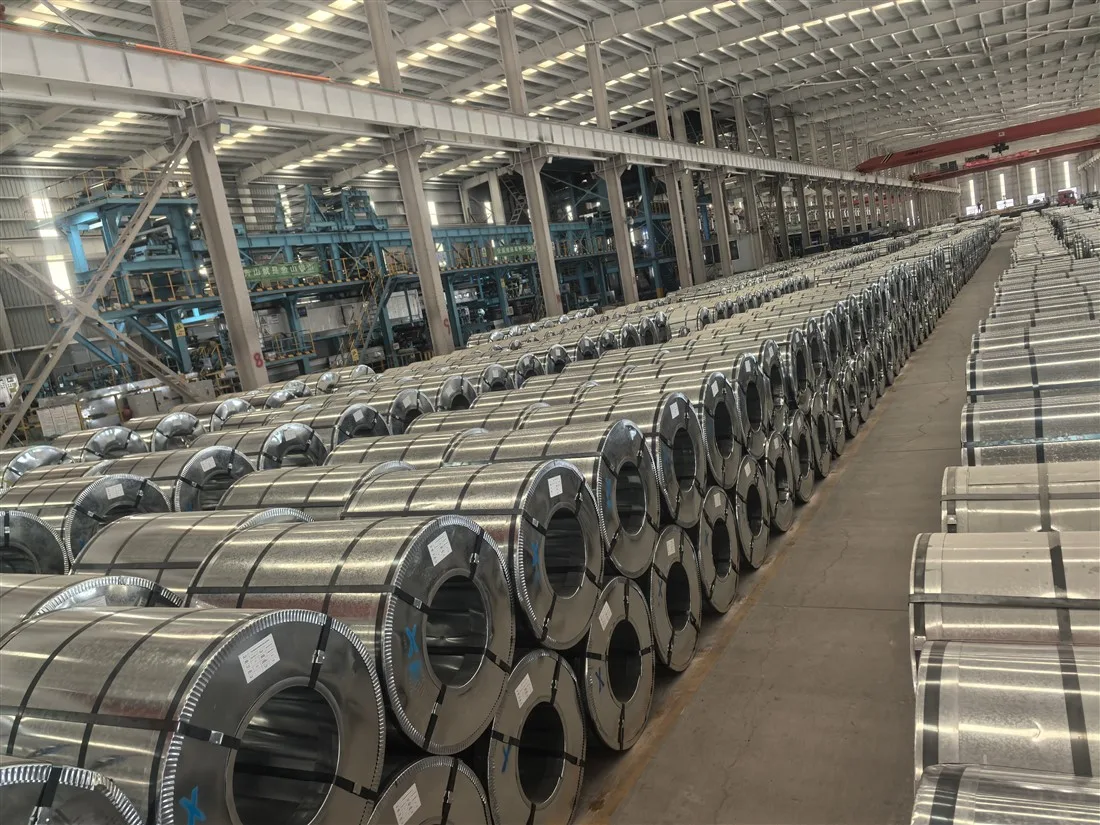
What Specifications Matter Most When Buying GI Coil?
When sourcing galvanized steel coil, buyers should not focus only on price. A reliable specification review should include the following factors:
1. Steel Grade
Different applications need different strength and formability. Commercial grade may be enough for general use, while forming grade or structural grade may be required for bending, stamping, roll forming, or load-bearing applications.
2. Thickness and Width
Common thickness ranges may start from thin gauge coil for appliances and ceiling products to thicker material for roofing, framing, and industrial fabrication. Width should match the downstream cutting, slitting, or profiling process to reduce waste.
3. Zinc Coating Weight
This is one of the most important factors in corrosion resistance. In general, the heavier the zinc coating, the better the corrosion protection. However, higher coating weight also means higher cost, so the correct level should be selected according to service environment and expected life.
4. Spangle Type
GI coil may have regular spangle, minimized spangle, or zero spangle appearance. Spangle affects visual appearance and sometimes downstream painting or appliance applications.
5. Surface Treatment
Chromated, passivated, unoiled, oiled, and anti-fingerprint treatments can all affect storage stability, processing, and end use. The right surface condition should be confirmed before ordering.
6. Coil ID, Coil Weight, and Packaging
Logistics details matter, especially for export orders. Coil weight, inner diameter, edge protection, waterproof packing, and pallet condition should match the buyer unloading and storage capability.
How Do You Choose the Right Zinc Coating for Different Environments?
The correct zinc coating weight depends on how aggressive the service environment is and how long the product is expected to last.
| Environment | Recommended Approach | Why It Matters |
|---|---|---|
| Indoor / Dry | Standard zinc coating may be sufficient | Lower corrosion exposure |
| Outdoor / General construction | Medium to higher zinc coating is preferred | Rain, condensation, and sunlight increase corrosion risk |
| Humid / Tropical | Use heavier zinc coating | Moisture accelerates coating consumption |
| Coastal / Industrial | Choose higher zinc coating and stricter quality control | Salt and pollutants are more aggressive |
If the galvanized steel coil will later be painted, laminated, or exposed to harsh environments, buyers should evaluate whether a higher-performance coated product may be more suitable for the full life-cycle cost.
What Is the Difference Between GI Coil and Other Coated Steel Products?
Buyers often compare GI coil with other steel coil products before purchasing. The main differences are:
- GI coil vs cold rolled coil: GI coil has added zinc protection, while cold rolled coil has no zinc coating and is more prone to rust.
- GI coil vs galvalume steel coil: GI uses zinc coating; galvalume uses an aluminum-zinc alloy coating and may offer better heat and atmospheric resistance in some applications.
- GI coil vs PPGI coil: PPGI is galvanized steel coil with an additional paint coating, providing more color choices and additional barrier protection.
What Problems Should Buyers Avoid When Ordering Galvanized Steel Coil?
- Buying only by low price without checking zinc coating weight
- Ignoring steel grade and mechanical property requirements
- Using light zinc coating in harsh outdoor environments
- Not confirming spangle, passivation, or oiling requirements
- Overlooking packaging quality for export transportation
- Failing to match coil specification to roll-forming equipment
These mistakes can lead to premature corrosion, poor forming performance, customer complaints, and avoidable replacement costs.
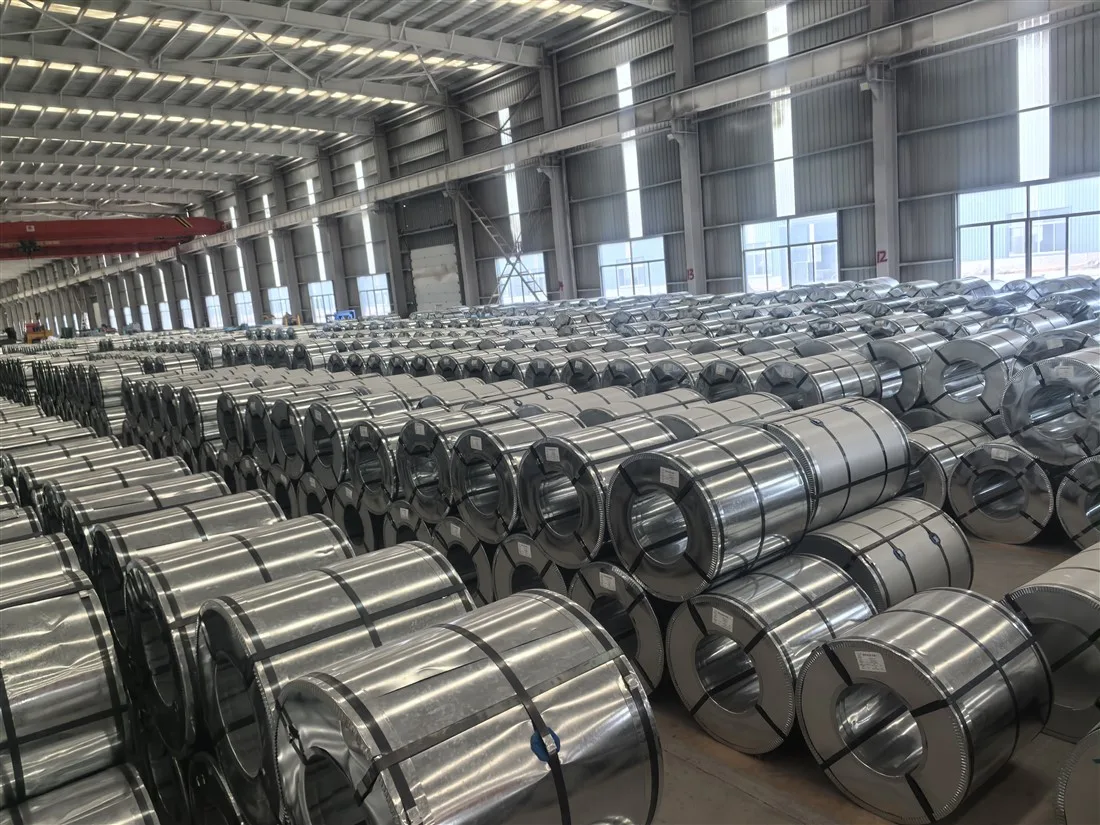
How Can Importers and Distributors Choose a Reliable GI Coil Supplier?
When selecting a supplier, importers should review more than just the quotation. Key checks include:
- Whether the supplier can provide stable thickness and coating control
- Whether mill test certificates and inspection reports are available
- Whether packaging is suitable for long-distance sea shipment
- Whether delivery schedule is stable for repeat orders
- Whether the supplier understands the target market and downstream use
A dependable supplier helps reduce quality disputes and improves long-term procurement efficiency.
FAQ: Galvanized Steel Coil Buying Questions
Is galvanized steel coil suitable for outdoor use?
Yes. GI coil is widely used outdoors, but the required zinc coating should match the environment. More aggressive conditions usually require heavier coating for longer service life.
Does thicker zinc coating always mean better performance?
Generally yes for corrosion resistance, but the right choice depends on budget, processing requirements, and project life expectations. The best specification is the one that balances performance and total cost.
Can galvanized steel coil be painted?
Yes. Galvanized steel coil is often used as the base material for prepainted products. Surface preparation and coating compatibility should be confirmed before painting.
What is the best GI coil for roofing sheet production?
That depends on the climate, expected life, thickness, and profiling process. For outdoor roofing, buyers usually pay close attention to zinc coating weight, flatness, and forming performance.
Conclusion: How Do You Select the Best Galvanized Steel Coil?
The best galvanized steel coil is not simply the cheapest one. It is the one that matches your application, environment, processing method, and durability target. Buyers should evaluate steel grade, thickness, width, zinc coating, surface finish, and supplier reliability together. When these factors are properly aligned, GI coil becomes a durable, versatile, and cost-effective material for construction and manufacturing.
If you are comparing different galvanized steel coil specifications for roofing, profiling, fabrication, or distribution, it is worth preparing a clear specification list before ordering so that the material performance matches the final use.
Need Help Choosing the Right GI Coil?
If you need galvanized steel coil for roofing sheets, wall panels, roll forming, appliance panels, or trading distribution, you can contact us with your required thickness, width, zinc coating, and destination market.
Email: [email protected]
WhatsApp: +86 152 6555 2259