How to Make Your Metal Roof 100% Leak-Proof: The Complete Waterproofing Guide
Comprehensive leak prevention guide for metal roofing covering profile selection, fastener placement, flashing details, sealant use, and thermal expansion.
How to Make Your Metal Roof 100% Leak-Proof: The Complete Waterproofing Guide
Comprehensive leak prevention guide for metal roofing covering profile selection, fastener placement, flashing details, sealant use, and thermal expansion.
A metal roof that leaks is a specification, installation, or maintenance failure — not a material failure. Metal roofing, properly specified and installed, is the most waterproof commercial roofing system available. This guide covers every potential leak point and how to eliminate it.
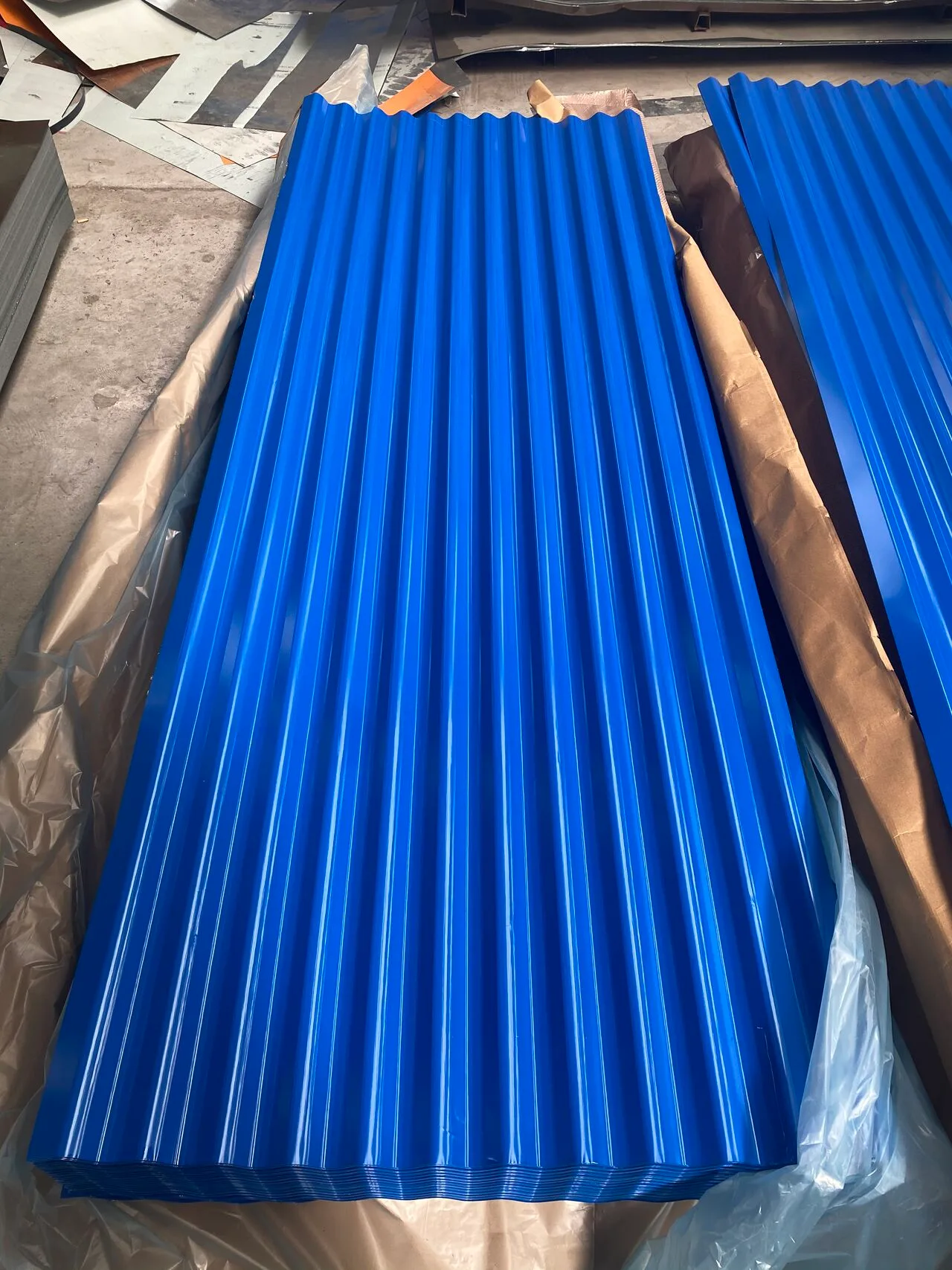
The 5 Most Common Leak Points
- Fastener holes (40% of leaks): Over-driven, under-driven, or misaligned screws where EPDM washer doesn't seal properly. Practice: torque-controlled drivers with depth stops.
- Side overlaps (25% of leaks): Insufficient overlap or wrong overlap direction (facing into wind). Practice: minimum 1 corrugation overlap, always face away from prevailing wind.
- Ridge and hip junctions (15%): Gaps between roof sheet profile and flat ridge cap. Practice: profiled foam closures or infill strips between sheet and ridge cap.
- Penetrations (10%): Pipes, vents, cables passing through roof without proper flashing. Practice: pre-formed rubber boots (Dektite or equivalent) for round penetrations, custom flashings for rectangular.
- Thermal expansion (10%): Long panels expand/contract with temperature. Fixed fasteners resist movement → fastener holes elongate → leaks develop over years. Practice: sliding clips for panels >12m, expansion joints for >24m.
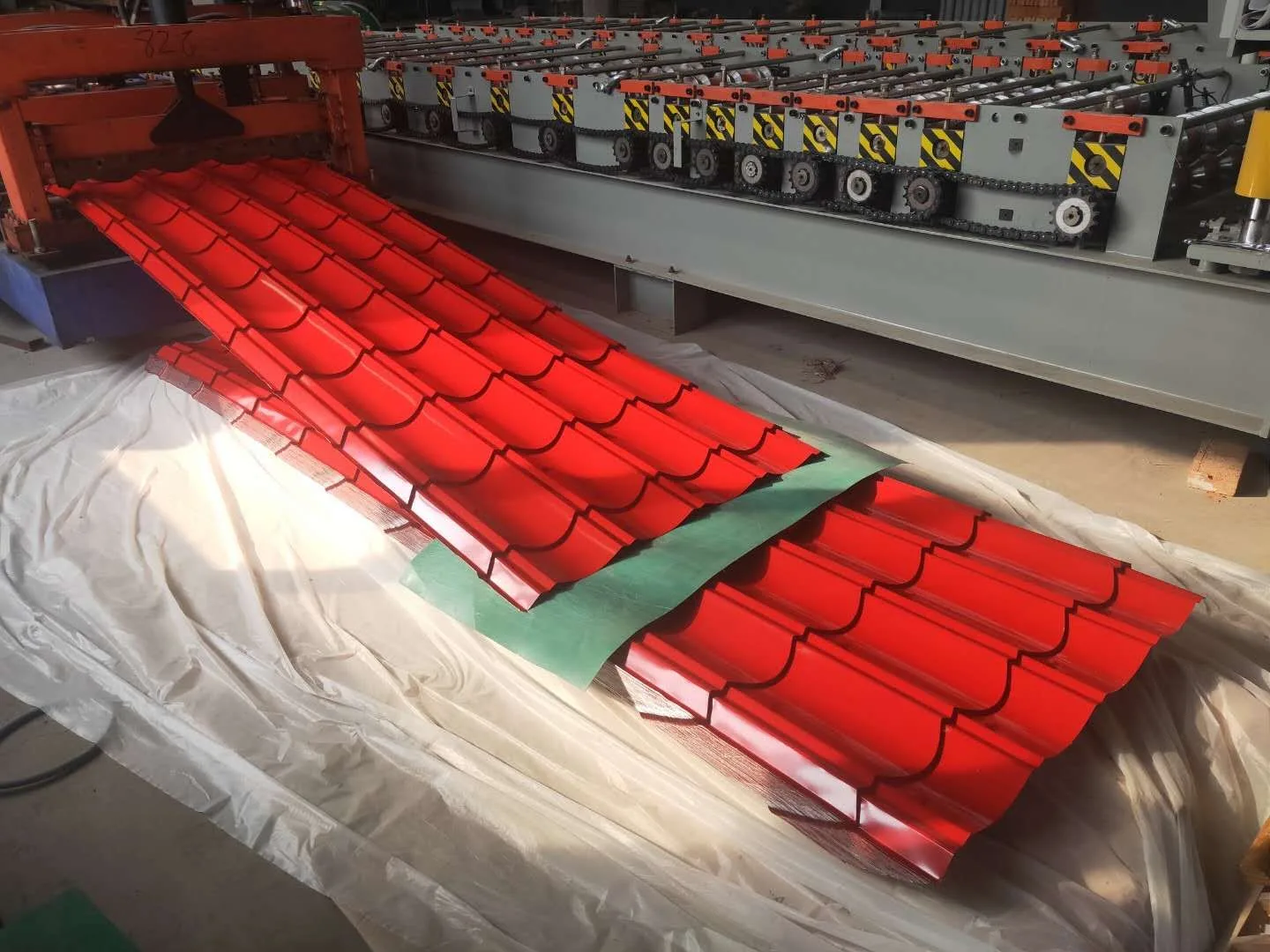
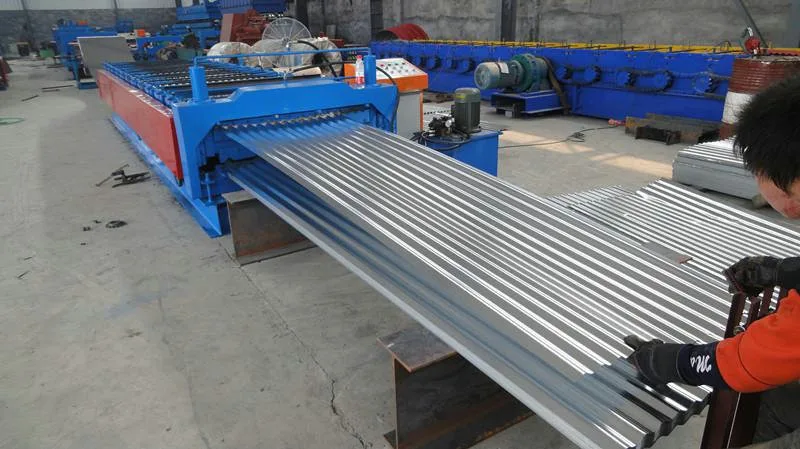
Standing Seam vs Exposed Fastener: Leak Comparison
The leak performance difference between concealed and exposed fastener systems is dramatic:
- Exposed fastener (corrugated, IBR): Typical 1,000m² roof has 3,000-5,000 screw penetrations. Each is a potential leak point. Lifetime leak probability: 30-50% (at least one leak will develop eventually).
- Standing seam (concealed clips): Zero penetrations through the waterproof surface. All clips are under the seam. Lifetime leak probability: <5% (limited to flashings and ends only).
For critical applications (data centers, hospitals, museums, food processing), standing seam is the only specification that provides near-100% leak-free confidence.
Sealant Application Best Practices
- Where to use sealant: End laps on low-pitch roofs (<10°), around penetrations, between sheets and flashings, at ridge/hip junctions. Do NOT rely on sealant for side laps (mechanical overlap is the primary barrier).
- Sealant type: Neutral cure silicone for metal-to-metal joints. Butyl tape (pre-formed sealant strip) for end laps and flash joints. NEVER use acrylic sealant on metal roofs — it hardens with UV exposure and cracks within 2-3 years.
- Application temperature: Apply sealant when temperature is between 5-35°C. Below 5°C: adhesion is poor. Above 35°C: sealant may be too thin to build proper bead.
📌 Key Takeaways
- 40% of metal roof leaks occur at fastener holes — use torque-controlled drivers with depth stops
- Standing seam has <5% lifetime leak probability vs 30-50% for exposed fastener systems
- Never use acrylic sealant on metal roofs — it cracks within 2-3 years from UV exposure
- Use sliding clips for panels >12m to accommodate thermal expansion/contraction
Conclusion
A leak-free metal roof requires proper specification (right profile, right thickness), skilled installation (correct fastener practice), and quality details (proper flashings, sealants, and closures). Get all three right and your metal roof will provide decades of completely waterproof service.
💬 Need Expert Advice?
Our steel specialists are ready to help with product selection, technical questions, and competitive pricing.