How to Store and Transport Galvanized Steel Coils: Preventing White Rust and Damage
Professional guide to GI coil storage, handling, and transport best practices to prevent white rust, mechanical damage, and moisture staining.
How to Store and Transport Galvanized Steel Coils: Preventing White Rust and Damage
Professional guide to GI coil storage, handling, and transport best practices to prevent white rust, mechanical damage, and moisture staining.
White rust (zinc hydroxide/zinc oxide) is the most common quality complaint for galvanized steel — and it's almost always caused by improper storage or transport conditions rather than product defects. This guide covers how to prevent it.
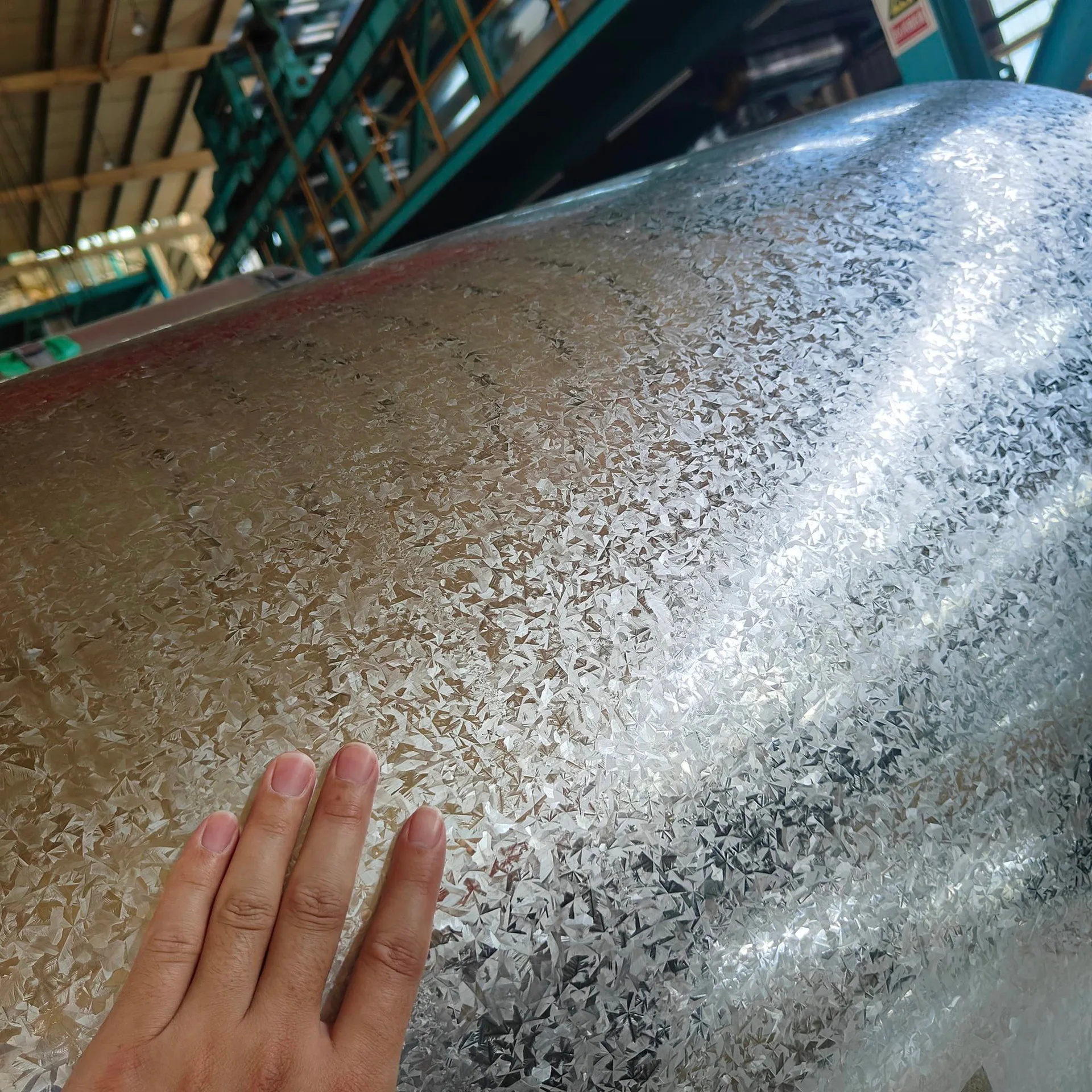
What Causes White Rust?
White rust forms when moisture is trapped between zinc surfaces without air circulation. The key factors:
- Condensation: Temperature drops below dew point, forming water droplets between coil wraps or stacked sheets
- Rain water ingress: Packaging damage allowing water to contact zinc surface
- Insufficient ventilation: Tightly wrapped coils in sealed containers during long ocean transit
Critical fact: White rust forms 2-10× faster on fresh galvanized steel (first 6 months) than on aged zinc surfaces, because the protective zinc patina has not yet developed.
Storage Best Practices
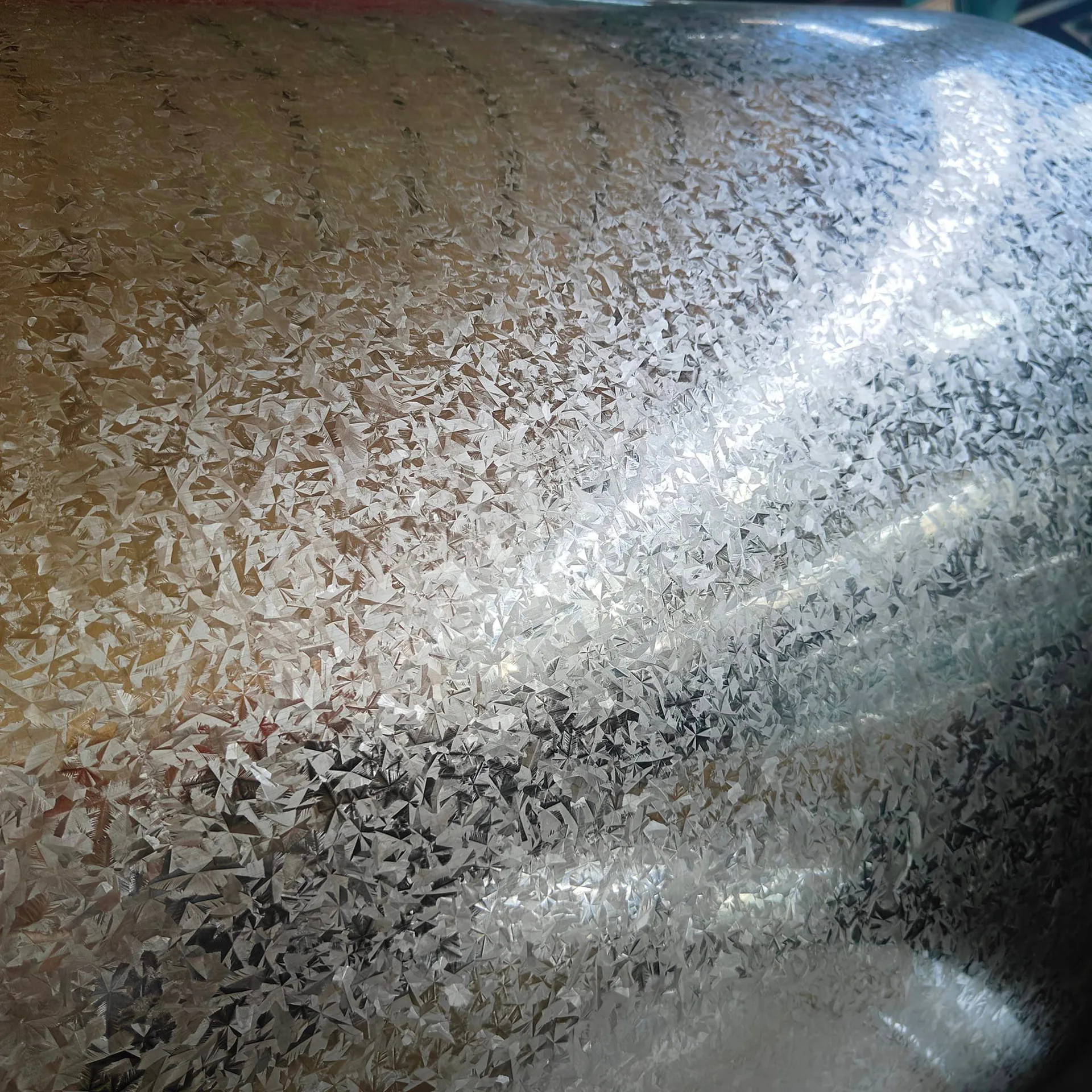
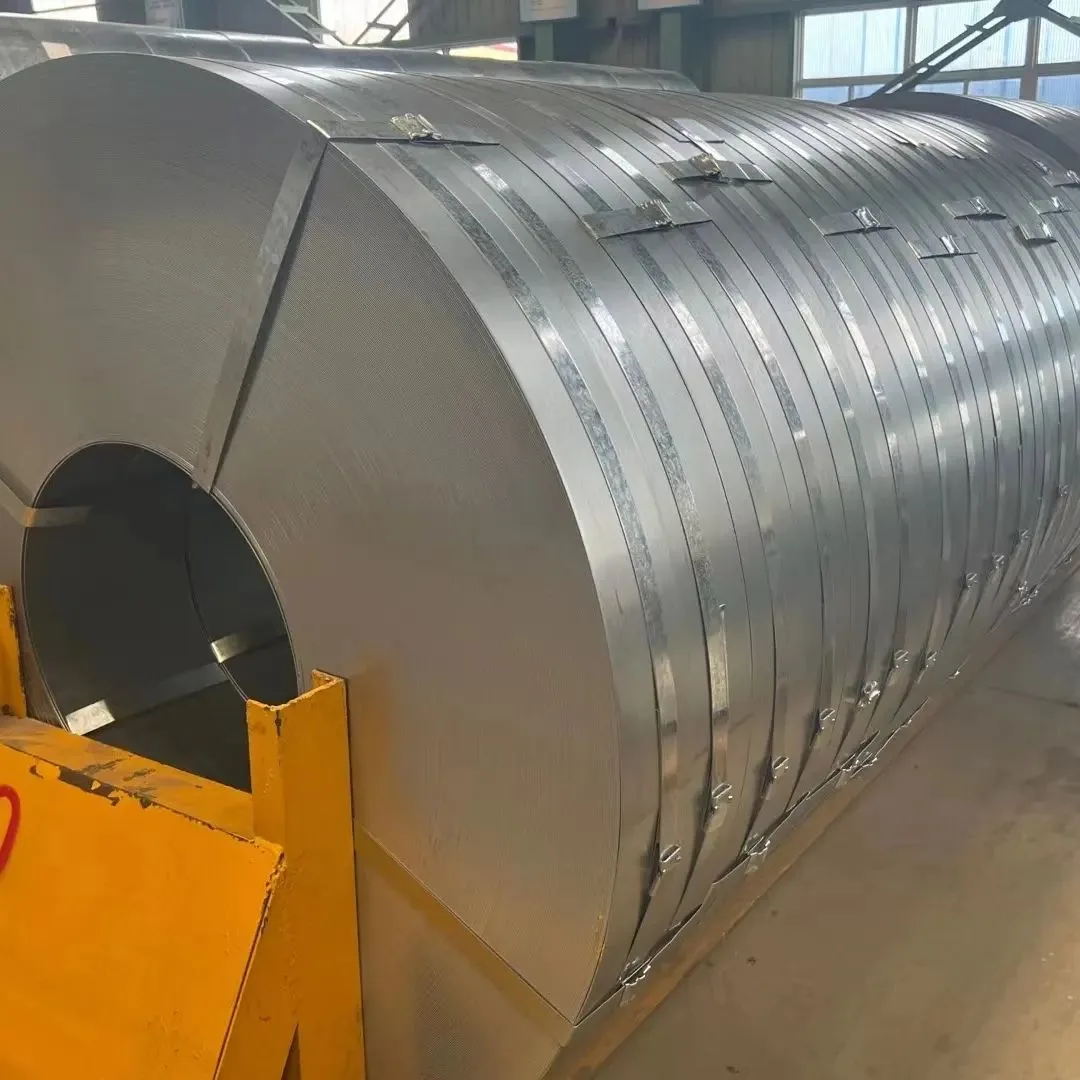
- Indoor storage only: Store in dry, ventilated warehouse. Never leave GI coils outdoors, even temporarily.
- Temperature stability: Avoid locations where temperature fluctuates >15°C/day (causes condensation). Keep away from open doors and walls.
- Off-ground storage: Use pallets or timber to keep coils 100mm+ above floor level. Concrete floors transmit moisture.
- Coil eye horizontal: Store coils with eye (bore) horizontal to prevent water pooling inside wraps. Eye vertical only for short-term staging.
- Desiccant: Place 500g silica gel sachets inside coil eye for long-term storage (>30 days).
- No direct stacking without spacers: Sheets must have paper or plastic interleaving to prevent surface contact.
Container Loading and Ocean Transport
The most dangerous period for white rust is ocean container transit through tropical zones. Temperature cycling causes "container rain" — condensation dripping onto cargo.
Prevention measures:
- Use VCI (Volatile Corrosion Inhibitor) paper wrapping — creates protective gas atmosphere inside packaging
- Place 2-4 kg container desiccant bags (calcium chloride type) inside container
- Ensure packaging is waterproof — use PE/VCI film wrapping, not just kraft paper
- Install container ventilation plugs if available
- Avoid loading wet or cold coils — steel temperature must be above dew point at loading time
📌 Key Takeaways
- White rust is caused by trapped moisture — not product defects
- Fresh galvanized steel (first 6 months) is most vulnerable to white rust
- Indoor storage, temperature stability, and VCI wrapping are the three key preventives
- Container desiccant is essential for ocean shipments through tropical zones
Conclusion
Proper storage and transport practices prevent 99% of white rust complaints. The investment in correct packaging, warehousing, and desiccant is trivial compared to the cost of a rejected shipment or quality claim.
💬 Need Expert Advice?
Our steel specialists are ready to help with product selection, technical questions, and competitive pricing.