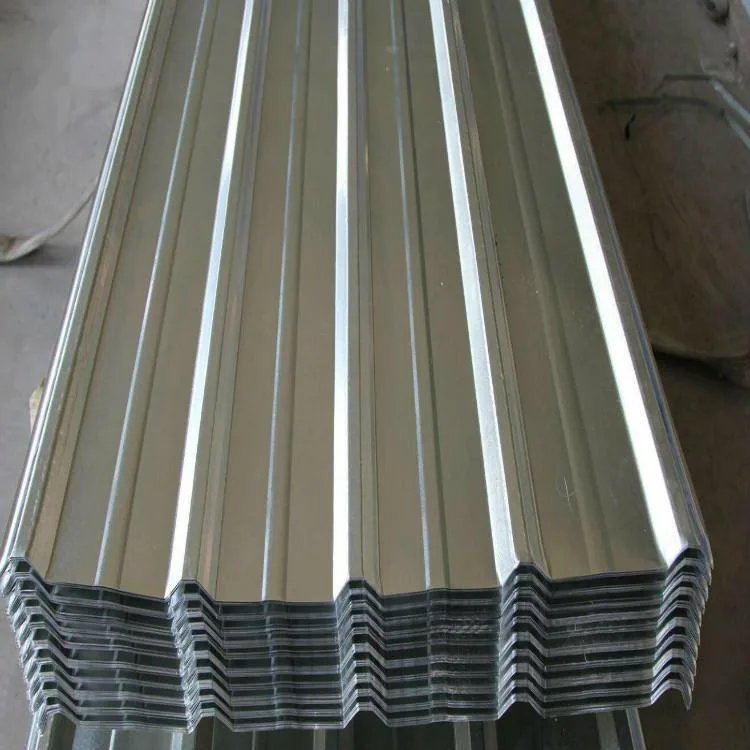
What Is a Galvalume T Profile Roofing Sheet and Why Is It Ideal for Durable Metal Roofs?
Galvalume T profile roofing sheet is an aluminum-zinc coated ribbed metal roofing material designed for durable roofs, wall cladding, industrial buildings and steel structures.
Galvalume T profile roofing sheet is a high-performance metal roofing material made from aluminum-zinc coated steel and roll formed into a T-style ribbed profile. It is widely used for industrial roofs, warehouses, workshops, agricultural buildings, wall cladding and steel structure projects that require a strong combination of corrosion resistance, stiffness, heat reflectivity and efficient installation.
Compared with ordinary galvanized roofing sheet, Galvalume roofing sheet uses an aluminum-zinc-silicon alloy coating. This coating is commonly composed of approximately 55% aluminum, 43.4% zinc and 1.6% silicon. The aluminum-rich layer provides excellent atmospheric corrosion resistance, while zinc contributes sacrificial protection and silicon improves coating adhesion. When this metallic coating is combined with a T profile design, the result is a roofing sheet that is both durable and structurally practical.
For contractors, importers, distributors and project buyers, Galvalume T roofing sheet should not be selected only by price. AZ coating weight, steel grade, thickness, rib height, effective width, roof slope, fastener selection, local climate and packaging all affect long-term performance. This original guide explains the product in depth and provides practical buying advice for global metal roofing buyers.
1. What Is a Galvalume T Profile Roofing Sheet?
A Galvalume T profile roofing sheet is a metal roof panel made from Galvalume steel coil and formed into a ribbed T-style profile. Galvalume steel, also known as Aluzinc steel or GL steel, is coated with an aluminum-zinc alloy layer that helps protect the steel substrate from atmospheric corrosion.
The T profile is a raised rib design that improves panel stiffness and water drainage. Instead of remaining flat, the steel sheet is shaped through roll forming so that its ribs and grooves create a stronger roof panel. This makes the product suitable for pitched roofs, wall panels and large-area building envelopes.
In international trade, this product may also be called Aluzinc T roofing sheet, GL T profile sheet, Galvalume ribbed roofing sheet, aluminum zinc T profile sheet or AZ coated metal roofing sheet. Since naming may vary by supplier and market, buyers should always confirm the actual profile drawing, AZ coating, thickness and effective width before ordering.
2. Material Structure and T Profile Design
The performance of Galvalume T profile roofing sheet comes from two main factors: the aluminum-zinc coated steel substrate and the formed T rib geometry. Both are important for durability and roof performance.
| Component | Main Function | Why It Matters |
|---|---|---|
| Steel substrate | Provides strength, shape and mechanical support | Affects load capacity, formability, rigidity and installation behavior. |
| Aluminum-zinc coating | Improves atmospheric corrosion resistance and heat reflectivity | Provides the main metallic protection system for outdoor roofing. |
| Silicon in coating | Improves adhesion between coating and steel substrate | Helps the coating remain stable during forming and use. |
| T-style rib profile | Increases sheet stiffness and supports drainage | Helps the sheet resist deformation and guide rainwater down the roof. |
| Side lap design | Connects adjacent panels during roof installation | Affects waterproofing, wind resistance and effective coverage width. |
The T profile gives the sheet a higher section depth. A deeper rib can improve stiffness and spanning ability, but it also changes sheet coverage, overlap requirements and material consumption. Therefore, profile selection should be based on roof design, purlin spacing, wind load, rainfall level and local building practice.
Professional note: A roofing sheet with a thicker gauge is not automatically better if the profile design is weak. Roof performance depends on the balance between steel thickness, rib height, rib pitch, effective width, support spacing and installation quality.
3. How Aluminum-Zinc Coating Protects Roofing Sheets
Galvalume coating is different from ordinary galvanized zinc coating. It uses a combination of aluminum, zinc and silicon to provide long-term roof protection in many atmospheric environments.
Aluminum barrier protection
Aluminum forms a stable oxide layer that slows the penetration of oxygen and moisture. This barrier effect is one of the reasons Galvalume roofing sheets are widely used for outdoor roofs and wall cladding.
Zinc sacrificial protection
Zinc provides electrochemical protection. When small scratches or exposed areas occur, zinc can corrode preferentially and help protect nearby steel. This behavior supports corrosion resistance, although cut-edge protection may differ from pure galvanized steel.
Silicon adhesion support
Silicon helps improve bonding between the alloy coating and steel substrate. Good coating adhesion is important because roofing sheets are formed, handled, transported and fastened before installation.
Heat reflectivity
The bright metallic surface of Galvalume steel reflects heat effectively. For roofing applications in sunny regions, this can help reduce roof surface temperature when combined with proper insulation and ventilation design.
4. How Galvalume T Roofing Sheets Are Produced
Most Galvalume T profile roofing sheets are produced from Galvalume steel coil. The coil is uncoiled, leveled and shaped through a roll forming line until the required T rib profile is achieved.
Main production steps
- Raw material selection: Galvalume steel coil is selected according to thickness, width, steel grade, AZ coating and surface treatment.
- Uncoiling: The coil is opened and fed into the roll forming line.
- Leveling: The steel strip is flattened to reduce coil memory and improve sheet straightness.
- Roll forming: Multiple roller stations gradually shape the flat strip into the T profile.
- Length cutting: The formed sheet is cut according to customer-specified length.
- Stacking: Finished sheets are stacked carefully to avoid scratches and profile deformation.
- Inspection: Thickness, length, rib height, pitch, effective width and surface quality are checked.
- Packaging: Sheets are bundled and packed for delivery or export shipment.
Roll forming quality is important. Poorly adjusted rollers may scratch the coating, distort ribs or create poor side lap fitting. Since roofing panels are installed in large visible areas, profile consistency and surface protection are essential.
5. Key Benefits of Galvalume T Profile Roofing Sheets
Excellent atmospheric corrosion resistance
The aluminum-zinc coating gives Galvalume T roofing sheets strong resistance in many outdoor environments. This makes them suitable for roofs, walls and exposed building surfaces where long-term durability is important.
Strong ribbed panel stiffness
The T profile increases panel rigidity compared with flat sheet. This helps the roof sheet resist bending and deformation under appropriate support spacing and loading conditions.
Good heat reflectivity
Galvalume roofing sheets reflect solar heat better than many darker roofing materials. In hot climates, this can be useful for roof systems designed to improve thermal performance.
Efficient water drainage
The raised ribs and drainage channels guide rainwater along the roof slope. With proper side lap, end lap and roof pitch, T profile sheets can provide reliable weather protection.
Clean metallic appearance
Galvalume steel has a bright metallic finish that gives roofing sheets a clean and modern look. It can be used directly where a natural metal appearance is acceptable.
Cost-effective long-term value
Although Galvalume material may cost more than some basic galvanized roofing sheets, it can offer strong lifecycle value through corrosion resistance, reduced maintenance and reliable outdoor performance.
6. Main Applications
Industrial buildings
Factories, warehouses, workshops and logistics facilities often use Galvalume T profile roofing sheets because they provide durable coverage, fast installation and compatibility with steel structures.
Agricultural buildings
Farm sheds, barns, storage buildings, poultry houses and livestock shelters can use Galvalume T roofing sheets for roofs and walls. The material is lightweight, durable and suitable for large-area coverage.
Commercial roofing
Markets, service buildings, utility structures and commercial facilities may use T profile metal roofing sheets for practical roof protection and modern appearance.
Residential and auxiliary buildings
Garages, carports, residential extensions and storage rooms can use Galvalume T profile sheets where metal roofing is desired.
Wall cladding
Depending on profile design, the same sheet can often be used as vertical or horizontal wall cladding. Its ribbed appearance can create a simple industrial building envelope.
Steel structure accessories
Some projects use matching Galvalume accessories such as flashings, trims, ridge caps and closures to improve roof system performance and appearance.
7. Common Specifications
Specifications vary by supplier, market and roof design. Buyers should confirm both material properties and profile dimensions before production.
| Specification Item | Common Options | Why It Matters |
|---|---|---|
| Thickness | Selected according to roof design and market requirements | Affects strength, weight, cost and resistance to deformation. |
| AZ coating weight | AZ70, AZ100, AZ150, AZ185 or customized coating | Determines corrosion resistance and expected service life. |
| Steel grade | Commercial quality, forming grade or structural grade | Affects forming behavior, yield strength and roof panel performance. |
| Overall width | Depends on raw coil width and profile design | Used for production planning and sheet measurement. |
| Effective width | Calculated after side lap | Important for roof area calculation and order quantity. |
| Rib height | Varies by T profile type | Affects stiffness, water drainage and visual appearance. |
| Sheet length | Customized according to roof design and transport limits | Affects installation speed, end lap and shipping method. |
| Surface treatment | Passivated, anti-fingerprint, oiled, dry or chromate-free | Helps protect the surface during storage and transportation. |
Practical buying tip: Ask for the profile drawing before ordering. The drawing should show rib height, rib pitch, overall width, effective width, side lap design and recommended fastening position.
8. Galvalume T Profile Sheet vs Other Roofing Sheets
Galvalume T profile roofing sheet is part of the broader metal roofing family. Buyers often compare it with galvanized T sheets, corrugated sheets, trapezoidal sheets and pre-painted roofing sheets.
| Roofing Material | Main Advantage | Typical Consideration |
|---|---|---|
| Galvalume T profile roofing sheet | Strong atmospheric corrosion resistance, heat reflectivity and ribbed stiffness | Cut-edge behavior and project environment should be evaluated. |
| Galvanized T profile roofing sheet | Good zinc-based protection and practical cost performance | May have lower heat reflectivity and different long-term atmospheric performance. |
| Corrugated roofing sheet | Traditional wave profile, broad application and easy installation | Profile stiffness may differ from T or trapezoidal designs. |
| Trapezoidal roofing sheet | Angular ribs with strong load performance and modern appearance | Profile selection should match roof design and support spacing. |
| Pre-painted roofing sheet | Color flexibility and additional organic coating protection | Paint system quality determines fading, chalking and long-term appearance. |
The best choice depends on climate, building type, roof slope, appearance requirements, corrosion exposure, installation method and budget. Galvalume T profile sheets are especially attractive where durability and metallic appearance are important.
9. Installation Factors That Affect Roof Performance
Even high-quality Galvalume T roofing sheets require correct installation. Poor installation can lead to leakage, deformation, corrosion at cut edges or reduced service life.
Roof slope
The roof slope should allow water to drain quickly. Low-slope roofs may require special side lap treatment, sealant or a different roof profile to reduce water leakage risk.
Side lap and end lap
Correct overlap is essential for waterproofing. Side lap should match the profile geometry, while end lap should consider roof slope, rainfall intensity and wind direction.
Fastener selection
Fasteners should be compatible with aluminum-zinc coated steel and should include suitable sealing washers. Poor fasteners can cause leaks, rust marks or panel loosening.
Purlin spacing
Support spacing should match sheet thickness, rib strength and expected loads. Excessive spacing can cause vibration, bending or panel deformation.
Cut edge management
Cutting exposes steel edges. Proper cutting tools, clean edges, correct overlap and good drainage can reduce corrosion risk at exposed edges.
Condensation control
Metal roofing systems may experience condensation under certain temperature and humidity conditions. Insulation, ventilation and vapor control should be considered in building design.
10. Quality Inspection Points
Professional buyers should inspect both the raw material and the finished roofing profile before shipment or installation.
- Thickness accuracy: Confirm actual thickness and tolerance according to contract requirements.
- AZ coating weight: Verify coating weight such as AZ100, AZ150 or AZ185 through documents or testing.
- Coating adhesion: Check whether the coating remains stable during forming and handling.
- Profile dimensions: Verify rib height, pitch, overall width and effective width.
- Sheet length: Confirm length accuracy according to order and roof design.
- Surface quality: Inspect for scratches, dents, stains, white rust, edge damage and roll marks.
- Overlap fit: Adjacent sheets should fit correctly according to the profile design.
- Packaging quality: Bundles should be protected against moisture, impact and deformation during transport.
For export orders, buyers may request production photos, profile measurement photos, mill test certificates, packing photos and third-party inspection before shipment.
11. Buying Guide for Global Buyers
A clear specification helps prevent misunderstandings and ensures that Galvalume T profile roofing sheets match the project requirement.
| Buying Item | What to Confirm |
|---|---|
| Material standard | ASTM A792, EN 10346, AS 1397, JIS G3321 or local standard. |
| Steel grade | Commercial quality, forming grade or structural grade based on roof design. |
| Thickness | Nominal thickness, tolerance and whether coating is included in measurement. |
| AZ coating | AZ70, AZ100, AZ150, AZ185 or customized coating weight. |
| Profile drawing | Rib height, pitch, overall width, effective width and overlap design. |
| Sheet length | Customized length based on roof design, loading method and transport limits. |
| Surface treatment | Passivated, anti-fingerprint, oiled, dry or chromate-free. |
| Packaging | Bundle weight, waterproof protection, edge protection and export packing. |
| Documents | Mill test certificate, coating report, inspection photos and packing list. |
A professional Galvalume T roofing sheet supplier should provide a clear profile drawing, material documents and practical recommendations based on climate, roof design and service life expectations. Buyers should avoid vague orders because small specification differences can affect installation and durability.
12. Storage and Handling Tips
Proper storage and handling help maintain sheet quality before installation.
- Store sheets in a dry, clean and ventilated warehouse.
- Keep bundles away from rain, wet floors and standing water.
- Do not open packaging until the material is ready for use.
- If temporary outdoor storage is unavoidable, keep bundles inclined and covered while allowing ventilation.
- Use clean lifting tools and avoid dragging sheets across each other.
- Protect edges and corners from impact during handling.
- Install sheets as soon as practical after delivery.
- Avoid contact with cement dust, strong alkalis, acids and aggressive chemicals.
If sheets become wet during transport or storage, they should be separated and dried quickly. Moisture trapped between roofing sheets can cause staining or surface quality issues.
13. Frequently Asked Questions About Galvalume T Profile Roofing Sheets
What is a Galvalume T profile roofing sheet?
It is an aluminum-zinc coated steel roofing sheet formed into a T-style ribbed profile. The Galvalume coating improves corrosion resistance and heat reflectivity, while the T profile improves stiffness and drainage.
Is Galvalume T roofing sheet suitable for industrial buildings?
Yes. It is widely used for factories, warehouses, workshops and steel structure buildings because it offers durable roof coverage, good stiffness and practical installation efficiency.
What does AZ150 mean for Galvalume roofing sheets?
AZ150 means the total aluminum-zinc alloy coating mass on both sides of the steel sheet is approximately 150 g/m². It is a common coating weight for roofing and wall panel applications.
What is the difference between Galvalume T sheet and galvanized T sheet?
Galvalume T sheet uses an aluminum-zinc coating, while galvanized T sheet uses mainly zinc coating. Galvalume often provides excellent atmospheric corrosion resistance and heat reflectivity, while galvanized steel may offer stronger zinc-based cut-edge protection.
Can Galvalume T profile sheets be used for wall cladding?
Yes. Many T profile sheets can be used for both roofing and wall cladding, depending on profile design, fastening method, building layout and project requirements.
Does Galvalume roofing sheet rust?
Galvalume roofing sheet has strong corrosion resistance, but it is not completely immune to corrosion. Cut edges, scratches, trapped moisture or aggressive environments can still cause corrosion over time.
What information should buyers provide when requesting a quotation?
Buyers should provide thickness, AZ coating weight, profile drawing, overall width, effective width, rib height, sheet length, quantity, surface treatment, packaging requirement and destination market.
Conclusion: Choosing Galvalume T Profile Roofing Sheets for Long-Term Roof Value
Galvalume T profile roofing sheet is a durable and practical metal roofing material that combines steel strength, aluminum-zinc corrosion protection, heat reflectivity and ribbed profile stiffness. It is suitable for industrial roofs, warehouses, agricultural buildings, commercial structures, wall cladding and many steel building applications.
The key to choosing the right product is understanding the full specification. Buyers should confirm thickness, AZ coating weight, steel grade, rib height, effective width, roof slope, fastener compatibility, surface treatment and packaging before production. A clear profile drawing is especially important because the name "T profile" can mean different rib designs in different markets.
When properly selected, produced, installed and stored, Galvalume T profile roofing sheets can provide reliable weather protection, efficient installation and strong long-term value. For importers, distributors and project buyers, working with a supplier who understands metal roofing profiles, material standards and export packaging can reduce risk and support successful roof projects.
Need Galvalume T Profile Roofing Sheets for Your Project?
Before placing an order, confirm your required thickness, AZ coating, profile drawing, effective width, sheet length, surface treatment, packaging and roof application. A professional supplier can help you choose the right Galvalume T roofing sheet specification for durable, efficient and cost-effective metal roof systems.
Frequently Asked Questions
What is a Galvalume T profile roofing sheet?
It is an aluminum-zinc coated steel roofing sheet formed into a T-style ribbed profile. The Galvalume coating improves corrosion resistance and heat reflectivity, while the T profile improves stiffness and drainage.
Is Galvalume T roofing sheet suitable for industrial buildings?
Yes. It is widely used for factories, warehouses, workshops and steel structure buildings because it offers durable roof coverage, good stiffness and practical installation efficiency.
What does AZ150 mean for Galvalume roofing sheets?
AZ150 means the total aluminum-zinc alloy coating mass on both sides of the steel sheet is approximately 150 g/m². It is a common coating weight for roofing and wall panel applications.
What is the difference between Galvalume T sheet and galvanized T sheet?
Galvalume T sheet uses an aluminum-zinc coating, while galvanized T sheet uses mainly zinc coating. Galvalume often provides excellent atmospheric corrosion resistance and heat reflectivity, while galvanized steel may offer stronger zinc-based cut-edge protection.
Can Galvalume T profile sheets be used for wall cladding?
Yes. Many T profile sheets can be used for both roofing and wall cladding, depending on profile design, fastening method, building layout and project requirements.
Does Galvalume roofing sheet rust?
Galvalume roofing sheet has strong corrosion resistance, but it is not completely immune to corrosion. Cut edges, scratches, trapped moisture or aggressive environments can still cause corrosion over time.
What information should buyers provide when requesting a quotation?
Buyers should provide thickness, AZ coating weight, profile drawing, overall width, effective width, rib height, sheet length, quantity, surface treatment, packaging requirement and destination market.