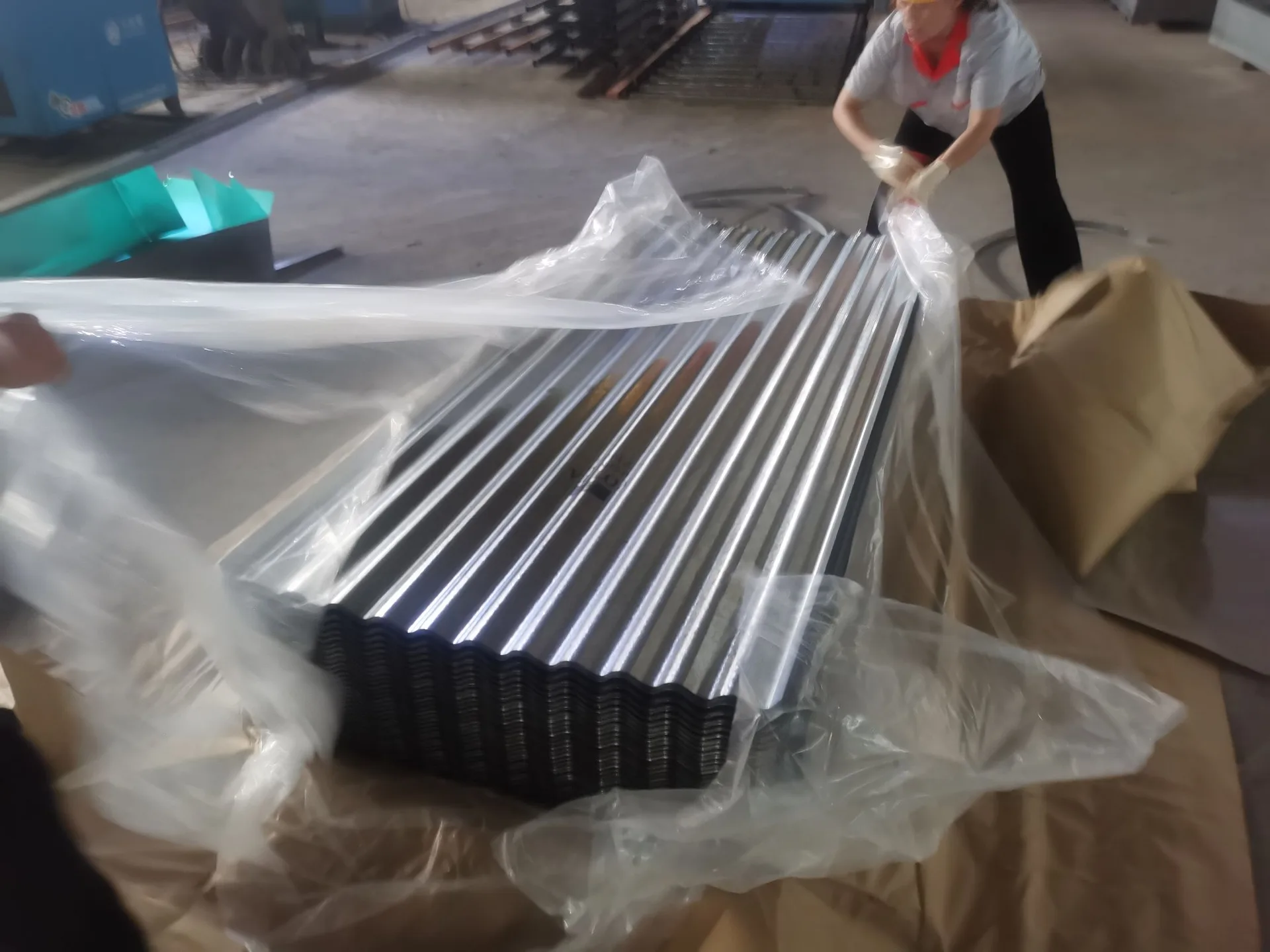
What Is a Galvanized Corrugated Roofing Sheet and Why Is It Popular for Durable Roof Systems?
Learn what galvanized corrugated roofing sheet is, how zinc coating protects metal roofing, where GI roofing sheets are used, and how to choose the right thickness, profile, coating and supplier for durable roof systems.
Galvanized corrugated roofing sheet is one of the most widely used metal roofing materials in residential, commercial, agricultural and industrial construction. It combines the strength of steel, the corrosion protection of zinc coating and the structural stiffness of a corrugated profile. This combination makes it practical, economical and durable for many roof and wall applications.
For builders, contractors, distributors and global buyers, galvanized corrugated roofing sheet is not only a simple roof panel. Its long-term performance depends on sheet thickness, zinc coating weight, steel grade, corrugation profile, effective width, installation method, fasteners, roof slope, local climate and packaging quality. Two roofing sheets may look similar, but they can perform very differently after years of rain, sunlight, humidity and wind exposure.
This original SEO guide explains what galvanized corrugated roofing sheet is, how it is made, why it is popular, where it is used and how buyers can select the right product for roofing projects.
1. What Is a Galvanized Corrugated Roofing Sheet?
A galvanized corrugated roofing sheet is a steel roofing panel made from galvanized steel sheet or coil and formed into a repeated wave-like profile. The steel substrate provides strength, while the zinc coating protects the steel surface from corrosion. The corrugated shape increases stiffness and helps the sheet span across roof supports more effectively than a flat sheet of the same thickness.
In international markets, this product may also be called galvanized roofing sheet, GI roofing sheet, corrugated galvanized iron sheet, zinc coated roofing sheet, corrugated metal roofing sheet or galvanized corrugated sheet. These names are often used for similar products, but buyers should still confirm the material standard, thickness, zinc coating, profile type and sheet length before ordering.
Galvanized corrugated roofing sheets can be used directly in their metallic silver-gray appearance, or they can be further painted or coated depending on the project requirement. For many cost-sensitive buildings, unpainted galvanized roofing remains popular because it offers a practical balance of durability and affordability.
2. Material Structure and Corrugated Profile
The performance of a galvanized corrugated roofing sheet comes from both its material structure and its geometric profile.
| Component | Main Function | Why It Matters |
|---|---|---|
| Steel substrate | Provides mechanical strength and shape support | Affects load capacity, stiffness, formability and installation performance. |
| Zinc coating | Protects steel from corrosion | Improves roof service life, especially in humid or outdoor environments. |
| Corrugated profile | Increases stiffness and water drainage capability | Helps the sheet resist bending, improves overlap performance and supports roof design. |
| Surface treatment | Reduces storage stains and white rust risk | Important for transportation, storage and early-stage corrosion control. |
The corrugated profile is especially important. A flat galvanized sheet may be flexible, but when it is formed into waves or ribs, its bending resistance increases significantly. This makes corrugated roofing suitable for lightweight roof structures, temporary buildings, sheds, warehouses and agricultural facilities.
Professional note: Roofing performance is not determined by thickness alone. Profile depth, rib spacing, effective width, overlap design, fastener spacing and roof slope all influence how a galvanized corrugated roofing sheet performs in real use.
3. How Galvanized Corrugated Roofing Sheets Are Made
Most galvanized corrugated roofing sheets are produced from galvanized steel coil. The coil is uncoiled, leveled and passed through a roll forming machine that gradually shapes the steel into a corrugated profile. The continuous sheet is then cut to the required length.
Main production steps
- Raw material selection: Galvanized steel coil is selected according to thickness, width, zinc coating and steel grade.
- Uncoiling: The coil is opened and fed into the production line.
- Leveling: The steel strip is flattened to improve shape and reduce coil memory.
- Roll forming: Multiple forming rollers gradually create the corrugated profile without damaging the zinc coating.
- Length cutting: The formed sheet is cut to the required length according to customer order or project design.
- Stacking: Sheets are stacked carefully to avoid surface scratches and deformation.
- Inspection: Thickness, width, profile shape, surface quality and length are checked.
- Packaging: The sheets are bundled and packed for transportation or export shipment.
Good roll forming equipment is important because poor forming can scratch the zinc coating, distort the profile or create uneven sheet shape. For export orders, proper stacking and packaging are also essential to prevent damage during loading and sea transport.
4. Key Benefits of Galvanized Corrugated Roofing Sheets
Good corrosion resistance
The zinc coating protects the steel substrate from corrosion. It acts as a barrier layer and also provides sacrificial protection, meaning zinc corrodes before the steel underneath. This is a major reason galvanized roofing is widely used in outdoor applications.
High strength-to-weight ratio
Corrugated roofing sheets are relatively lightweight, but the wave profile gives them improved stiffness. This makes them easy to transport, handle and install while still providing reliable roof coverage.
Cost-effective roofing solution
Compared with many roofing materials, galvanized corrugated roofing sheets offer a competitive balance of cost, durability and installation efficiency. They are especially popular in markets where practical performance and budget control are both important.
Fast installation
Large sheet coverage and simple fastening methods help speed up roof installation. Contractors can cover large areas quickly, making galvanized corrugated sheets suitable for warehouses, factories, farms and temporary structures.
Versatile applications
Besides roofing, galvanized corrugated sheets are also used for wall cladding, fencing, partitions, temporary shelters, storage buildings and industrial enclosures.
Recyclable material
Steel is recyclable, and galvanized roofing sheets can be recycled after service life. This supports material efficiency in construction projects.
5. Zinc Coating and Corrosion Protection
Zinc coating weight is one of the most important factors in galvanized roofing sheet performance. It is usually expressed as Z coating, such as Z80, Z120, Z180 or Z275. The number generally represents the total zinc coating mass on both sides of the steel sheet, measured in grams per square meter.
| Environment | Typical Zinc Coating | Selection Advice |
|---|---|---|
| Dry indoor or temporary use | Z60-Z100 | Suitable for low-corrosion conditions and budget-focused projects. |
| General roofing and wall panels | Z100-Z180 | Common choice for ordinary building applications. |
| Outdoor roof exposure | Z180-Z275 | Recommended where better long-term corrosion resistance is required. |
| Humid or aggressive environments | Z275 or project-specific design | May require heavier zinc coating, paint coating or alternative roofing system. |
Higher zinc coating usually improves corrosion resistance, but it also increases material cost. Buyers should choose zinc coating based on climate, building type, expected service life and budget.
6. Main Applications
Residential roofing
Galvanized corrugated roofing sheets are used in residential houses, extensions, garages and small buildings. They are practical where a simple, strong and cost-effective metal roof is required.
Industrial buildings
Factories, warehouses, workshops and logistics facilities often use corrugated metal roofing because it covers large areas efficiently and works well with steel structures.
Agricultural buildings
Barns, livestock shelters, poultry houses, storage sheds and farm equipment buildings commonly use galvanized corrugated sheets for roofs and walls.
Commercial facilities
Markets, temporary shops, service buildings and utility structures may use galvanized roofing sheets because of their easy installation and practical durability.
Wall cladding and fencing
Corrugated galvanized sheets are not limited to roofs. They are also used as wall panels, fencing sheets, site hoarding and partitions.
Temporary shelters and emergency buildings
Because they are lightweight, easy to install and widely available, galvanized corrugated roofing sheets are often used for temporary shelters, construction site buildings and emergency structures.
7. Common Specifications
Galvanized corrugated roofing sheet specifications vary by market and project. Buyers should confirm both material and profile details before ordering.
| Specification Item | Common Options | Why It Matters |
|---|---|---|
| Thickness | 0.12 mm to 1.0 mm or project-specific | Affects strength, weight, cost and durability. |
| Width | Common effective widths depend on profile design | Determines coverage area and overlap calculation. |
| Length | Customized according to roof design or shipping limits | Affects installation efficiency and joint design. |
| Zinc coating | Z80, Z120, Z180, Z275 or other coating weight | Determines corrosion resistance and service life. |
| Profile type | Wave profile, trapezoidal profile or customized corrugation | Affects stiffness, drainage, overlap and appearance. |
| Surface finish | Regular spangle, minimized spangle or zero spangle | Affects appearance and market preference. |
| Surface treatment | Passivated, oiled, dry or chromate-free | Helps reduce white rust during storage and transportation. |
Practical buying tip: Always distinguish between overall width and effective coverage width. Roofing quantity should be calculated according to effective width after side lap, not only the full sheet width.
8. Galvanized Corrugated Sheet vs Other Roofing Materials
Galvanized corrugated roofing sheet competes with color coated roofing sheet, Galvalume roofing sheet, aluminum roofing, asphalt shingles and fiber cement sheets in different markets.
| Material | Main Advantage | Common Limitation |
|---|---|---|
| Galvanized corrugated roofing sheet | Cost-effective, strong, widely available and corrosion resistant | Limited color options unless painted or coated. |
| Color coated roofing sheet | Better appearance and color flexibility | Paint system quality strongly affects durability. |
| Galvalume roofing sheet | Excellent atmospheric corrosion resistance and heat reflectivity | Cut-edge protection may require attention in some environments. |
| Aluminum roofing sheet | Lightweight and naturally corrosion resistant | Usually higher cost and different mechanical behavior. |
| Asphalt shingles | Popular in some residential markets with flexible design | May have lower heat resistance and different maintenance needs. |
The best roofing material depends on local climate, building type, budget, appearance requirement, installation method and expected service life. Galvanized corrugated roofing remains popular because it is practical, economical and easy to source.
9. Installation Factors That Affect Performance
Even high-quality galvanized corrugated roofing sheets can fail early if installed incorrectly. Proper installation is essential for roof durability.
Roof slope
The roof slope should be sufficient for water drainage. Low-slope roofs may require special overlap design, sealant or different profiles to reduce leakage risk.
Side lap and end lap
Correct overlap prevents water penetration. Overlap requirements depend on profile type, roof slope, wind exposure and rainfall intensity.
Fasteners
Fasteners should be compatible with galvanized steel and include proper sealing washers. Poor fasteners can cause leaks, rust stains or panel movement.
Support spacing
Purlin or support spacing should match sheet thickness, profile strength and expected loads. Excessive spacing may cause deformation or vibration.
Cut edge protection
Cutting sheets exposes steel edges. Proper cutting tools, cleaning and design details can reduce corrosion risk at exposed edges.
Ventilation and condensation control
Metal roofs may experience condensation under certain conditions. Good ventilation, insulation and vapor control help improve roof performance.
10. Quality Inspection Points
Professional buyers should inspect galvanized corrugated roofing sheets from both material and finished profile perspectives.
- Thickness: Confirm actual thickness and tolerance according to contract.
- Zinc coating: Check zinc coating weight and uniformity through documents or testing.
- Profile shape: Ensure corrugation height, pitch and width are consistent.
- Effective width: Confirm coverage width after overlap.
- Length accuracy: Verify sheet length according to order requirements.
- Surface quality: Check for scratches, dents, white rust, stains, edge damage and oil marks.
- Flatness and straightness: Poor shape can cause installation problems.
- Packaging: Bundles should be protected against moisture, deformation and transport damage.
For large export orders, buyers may request production photos, inspection reports, packing photos and third-party inspection before shipment.
11. Buying Guide for Global Buyers
When buying galvanized corrugated roofing sheets, a clear specification helps avoid misunderstandings and quality disputes.
| Buying Item | What to Confirm |
|---|---|
| Material standard | ASTM, EN, JIS, GB or local standard according to market requirement. |
| Steel grade | Commercial quality, forming grade or structural grade depending on project use. |
| Thickness | Nominal thickness, actual tolerance and whether coating is included. |
| Zinc coating | Z80, Z120, Z180, Z275 or other coating weight. |
| Profile design | Wave height, pitch, overall width and effective width. |
| Sheet length | Customized length according to roof design and shipping limitations. |
| Surface treatment | Passivated, oiled, dry or chromate-free. |
| Packaging | Bundle weight, waterproof protection, edge protection and export packing. |
| Documents | Mill test certificate, zinc coating report, inspection photos and packing list. |
A reliable galvanized corrugated roofing sheet supplier should be able to provide technical recommendations based on project climate, roof design, required service life and budget. Buyers should avoid selecting roofing sheets by price alone, especially for outdoor projects requiring long-term performance.
12. Storage and Handling Tips
Proper storage helps prevent white rust, deformation and surface damage before installation.
- Store sheets in a dry, ventilated and covered area.
- Avoid direct contact with wet floors or standing water.
- Keep bundles slightly inclined if temporary outdoor storage is unavoidable.
- Do not allow rainwater to remain between stacked sheets.
- Use clean lifting tools and avoid dragging sheets across each other.
- Install sheets as soon as practical after delivery.
- Protect edges and corners from impact during handling.
If sheets become wet during transport or storage, they should be separated and dried as soon as possible. Trapped moisture between galvanized sheets can cause white rust or surface staining.
13. Frequently Asked Questions About Galvanized Corrugated Roofing Sheets
What is a galvanized corrugated roofing sheet?
It is a steel roofing sheet coated with zinc and formed into a corrugated profile. The zinc coating protects against corrosion, while the corrugated shape improves stiffness and drainage.
Is galvanized corrugated roofing sheet durable?
Yes, it can be durable when the correct thickness, zinc coating, profile and installation method are selected. Service life depends on climate, coating weight, roof design and maintenance.
Does galvanized roofing sheet rust?
Galvanized roofing sheet has better corrosion resistance than uncoated steel, but it can eventually rust if the zinc coating is consumed, damaged or exposed to aggressive environments for a long time.
What zinc coating is suitable for roofing sheets?
For general roofing, Z100 to Z180 may be used in many markets. For longer outdoor exposure, Z180 to Z275 is often preferred. The final choice should consider local climate and expected service life.
What is the difference between overall width and effective width?
Overall width is the full sheet width before installation. Effective width is the actual coverage width after side overlap. Roofing quantity should be calculated based on effective width.
Can galvanized corrugated roofing sheets be painted?
Yes, they can be painted with proper surface preparation. However, many projects use pre-painted roofing sheets when color and long-term appearance are important.
What information should buyers provide when requesting a quotation?
Buyers should provide thickness, zinc coating, profile type, overall width, effective width, sheet length, quantity, surface treatment, packaging requirement and destination market.
Conclusion: Choosing Galvanized Corrugated Roofing Sheets for Practical Roof Performance
Galvanized corrugated roofing sheet remains one of the most practical metal roofing materials because it combines steel strength, zinc corrosion protection, lightweight handling, fast installation and competitive cost. It is widely used for residential roofs, industrial buildings, agricultural structures, commercial facilities, wall cladding and temporary shelters.
To choose the right product, buyers should look beyond simple sheet appearance. Thickness, zinc coating weight, corrugation profile, effective width, surface treatment, installation design, fastener compatibility and packaging quality all influence final roof performance.
A well-specified galvanized corrugated roofing sheet can provide reliable protection and long-term value. For importers, distributors and project buyers, working with a supplier who understands material standards, roofing applications and export packaging is essential for reducing quality risks and ensuring successful installation.
Need Galvanized Corrugated Roofing Sheets for Your Project?
Before placing an order, confirm your required thickness, zinc coating, profile type, effective width, sheet length, surface treatment, packaging and roof application. A professional supplier can help you choose the right galvanized roofing sheet specification for durable, efficient and cost-effective roof systems.