What Is a Galvanized T Profile Roofing Sheet and How Does It Support Strong Metal Roof Systems?
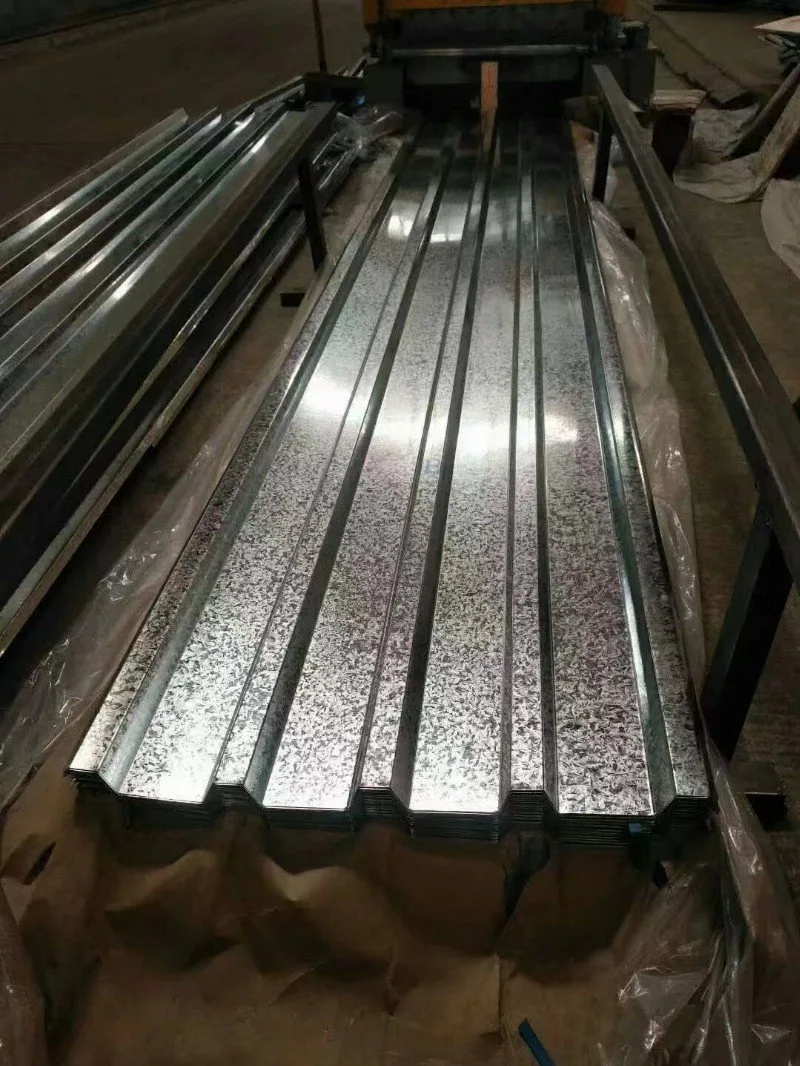
Galvanized T profile roofing sheet is a zinc-coated ribbed metal roofing material designed for durable roof systems, wall cladding, industrial buildings, warehouses and agricultural structures.
Galvanized T profile roofing sheet is a practical metal roofing material made from zinc-coated steel and formed into a ribbed profile with a T-style or high-rib geometry. It is widely used in industrial buildings, warehouses, workshops, agricultural structures, residential roofing, wall cladding and steel structure projects where strength, weather resistance and cost efficiency are important.
Compared with flat metal sheet, a T profile roofing sheet has much better stiffness because its ribs and grooves increase the structural depth of the panel. Compared with simple corrugated sheets, many T profile sheets offer a more modern appearance, improved water drainage and better load performance when properly designed and installed. The galvanized coating gives the steel substrate corrosion resistance, making the material suitable for outdoor roof and wall applications.
For contractors, importers, distributors and project buyers, galvanized T roofing sheet should not be selected by price alone. Thickness, zinc coating weight, steel grade, rib height, profile pitch, effective width, sheet length, fastener design, roof slope, local climate and packaging all influence long-term performance. This original guide explains the product in depth and provides practical buying advice for global steel roofing buyers.
1. What Is a Galvanized T Profile Roofing Sheet?
A galvanized T profile roofing sheet is a metal roof panel made from galvanized steel sheet or coil and roll formed into a T-style ribbed profile. The exact rib shape may vary by manufacturer and market, but the general concept is the same: raised ribs create a stronger and more rigid roofing panel than a flat sheet.
The word "galvanized" means the steel has been coated with zinc. The zinc layer protects the steel substrate from rust by acting as a barrier and by providing sacrificial corrosion protection. The T profile shape improves the sheet's bending resistance and drainage performance, making it useful for roof systems that need both coverage and structural stability.
In international trade, this product may also be described as galvanized T roofing sheet, T profile metal roofing sheet, GI T profile sheet, galvanized ribbed roofing sheet, zinc coated T sheet or T rib roofing panel. Since product names are not always standardized, buyers should confirm the actual drawing, rib dimensions, effective width and material specification before ordering.
2. Material Structure and T Profile Design
Galvanized T profile roofing sheet combines material protection with profile engineering. Its performance depends on both the coated steel substrate and the formed rib geometry.
| Component | Main Function | Why It Matters |
|---|---|---|
| Steel substrate | Provides strength, shape and mechanical support | Affects load capacity, stiffness, bending behavior and installation stability. |
| Zinc coating | Protects steel against corrosion | Improves service life in outdoor roofing and wall cladding applications. |
| T-style rib profile | Increases panel stiffness and supports drainage | Helps the panel resist bending, deformation and water penetration when properly overlapped. |
| Side lap design | Connects adjacent panels during installation | Affects waterproofing, wind resistance and effective coverage width. |
| Surface treatment | Reduces storage stains and white rust risk | Important for transportation, warehouse storage and early corrosion control. |
The T profile gives the sheet a higher section depth, which improves rigidity. Deeper ribs usually provide better spanning ability, but they may also change effective width, overlap design and material consumption. Therefore, profile selection should be based on roof design, support spacing and local loading requirements.
Professional note: T profile roofing sheet performance is not determined by material thickness alone. Rib height, rib spacing, overlap design, purlin spacing, fastener position and roof slope all influence the final roof system.
3. How Galvanized T Roofing Sheets Are Produced
Most galvanized T profile roofing sheets are produced from galvanized steel coil. The coil is processed through a roll forming line, where a series of forming rollers gradually shapes the flat steel strip into the required ribbed profile.
Main production steps
- Raw material selection: Galvanized steel coil is selected according to thickness, width, steel grade, zinc coating and surface treatment.
- Uncoiling: The galvanized coil is opened and fed into the roll forming line.
- Leveling: The strip is flattened to reduce coil memory and improve sheet straightness.
- Roll forming: Multiple roller stations gradually create the T profile without excessive stress or coating damage.
- Length cutting: The formed sheet is cut to customer-required lengths.
- Stacking: Finished sheets are stacked carefully to reduce scratches and deformation.
- Inspection: Thickness, length, profile dimensions, effective width and surface quality are checked.
- Packaging: Sheets are bundled and packed for delivery or export shipment.
Good roll forming control is essential. If rollers are poorly adjusted, the sheet may have uneven ribs, distorted edges, surface scratches or poor overlap performance. For roofing panels, small profile errors can create installation problems and water leakage risks.
4. Key Benefits of Galvanized T Profile Roofing Sheets
Improved panel stiffness
The raised T-style ribs increase the structural depth of the panel. This improves stiffness and helps the sheet resist bending under roof loads. For industrial and agricultural buildings, this can support efficient roof design when the profile is properly matched with support spacing.
Good corrosion resistance
The galvanized zinc coating protects the steel substrate from corrosion. It reduces the risk of rust in outdoor exposure and helps extend the service life of the roofing sheet when the correct coating weight is selected.
Efficient water drainage
T profile sheets create channels that guide rainwater down the roof slope. With proper side lap and end lap design, they can provide reliable water drainage for pitched roof systems.
Cost-effective roofing solution
Galvanized T roofing sheets offer a practical balance between material cost, strength, corrosion resistance and installation efficiency. They are often selected for projects where budget control and reliable roof coverage are both important.
Fast installation
Large sheet coverage and repeatable rib design make installation efficient. Contractors can install panels quickly using compatible fasteners and standard roof accessories.
Versatile appearance
The T profile gives the roof a clean ribbed appearance. It can be used for roof panels, wall cladding and building envelopes where a simple metallic finish is acceptable.
Suitable for different building types
From warehouses and workshops to farm buildings and residential extensions, galvanized T profile roofing sheets can be adapted to many construction needs.
5. Zinc Coating and Corrosion Protection
Zinc coating weight is one of the most important specifications for galvanized roofing products. It is commonly expressed as Z coating, such as Z80, Z120, Z180 or Z275. The number generally represents the total zinc coating mass on both sides of the sheet in grams per square meter.
| Use Environment | Typical Zinc Coating | Selection Advice |
|---|---|---|
| Dry indoor or temporary structures | Z60-Z100 | Suitable for low-corrosion use where cost control is the priority. |
| General roof and wall cladding | Z100-Z180 | Common for ordinary building applications in moderate environments. |
| Longer outdoor roof exposure | Z180-Z275 | Recommended for better corrosion resistance and longer service life. |
| Humid, coastal or aggressive environments | Z275 or project-specific system | May require heavier zinc coating, pre-painted coating or alternative material design. |
Although higher zinc coating usually improves corrosion resistance, it also increases cost. The best specification depends on roof exposure, rainfall, humidity, pollution, salt level and expected service life. For important outdoor projects, buyers should not choose the lowest zinc coating only to reduce initial cost.
6. Main Applications
Industrial roofs
Factories, warehouses, workshops and logistics buildings often use T profile metal roofing sheets because they provide strong coverage, efficient installation and compatibility with steel structures.
Agricultural buildings
Farm sheds, barns, livestock shelters, equipment storage buildings and poultry houses can use galvanized T roofing sheets for roofs and walls. The material is lightweight, economical and practical for large-area coverage.
Residential and utility buildings
Galvanized T profile sheets can be used for garages, extensions, carports, storage rooms and simple residential roofing projects where metallic roofing is acceptable.
Commercial and service buildings
Markets, service stations, small commercial buildings and temporary shops may use T profile roofing panels for fast construction and practical weather protection.
Wall cladding
The same T profile sheet can often be installed vertically or horizontally as wall cladding, depending on profile design and project requirements.
Temporary structures
Construction site buildings, temporary shelters and storage facilities may use galvanized T roofing sheets because they are easy to transport, install and replace.
7. Common Specifications
Specifications vary by market and manufacturer, so buyers should confirm the actual profile drawing and material details before production.
| Specification Item | Common Options | Why It Matters |
|---|---|---|
| Thickness | Usually selected according to roof design and local market demand | Affects strength, weight, cost and resistance to deformation. |
| Zinc coating | Z80, Z120, Z180, Z275 or customized coating | Determines corrosion resistance and expected service life. |
| Overall width | Depends on raw coil width and profile design | Used for production planning and sheet measurement. |
| Effective width | Calculated after side lap | Important for roof area calculation and material quantity. |
| Rib height | Varies by T profile type | Affects stiffness, water drainage and roof appearance. |
| Rib pitch | Distance between repeated ribs | Affects overlap, profile stability and visual pattern. |
| Sheet length | Customized according to roof design and transport limits | Affects installation speed, end lap and shipping method. |
| Surface treatment | Passivated, oiled, dry or chromate-free | Helps reduce white rust risk during storage and transportation. |
Practical buying tip: Ask the supplier for a profile drawing before ordering. A name such as "T profile" is not enough. The drawing should show rib height, pitch, overall width, effective width, overlap area and recommended fastening position.
8. T Profile Roofing Sheet vs Corrugated and Trapezoidal Sheets
Galvanized T profile roofing sheets are part of the wider metal roofing panel family. Buyers often compare them with corrugated sheets and trapezoidal sheets.
| Panel Type | Main Feature | Common Use |
|---|---|---|
| T profile roofing sheet | Ribbed design with strong visual lines and good stiffness | Industrial roofs, wall cladding, warehouses and utility buildings. |
| Corrugated roofing sheet | Wave-like profile, traditional appearance and flexible application | Agricultural buildings, residential roofing, fencing and temporary shelters. |
| Trapezoidal roofing sheet | Angular ribs with high stiffness and modern profile geometry | Factories, large roofs, steel structures and commercial buildings. |
| Standing seam roofing sheet | Concealed or raised seam system with premium appearance | Higher-end architectural and weather-resistant roof systems. |
The best profile depends on design load, roof slope, visual preference, water drainage, installation method and budget. T profile sheets are often selected when buyers want a strong ribbed appearance and practical roof performance.
9. Installation Factors That Affect Roof Performance
Roof performance depends not only on the sheet itself but also on installation quality. Even a good galvanized T roofing sheet can leak, rust or deform if installed incorrectly.
Roof slope
The roof slope should allow water to drain properly. Very low slopes may require special side lap treatment, sealants or different profile design to reduce water backflow.
Side lap and end lap
Correct overlap is essential for waterproofing. Side lap design should match the profile, while end lap should consider roof slope, rainfall intensity and wind direction.
Fastener selection
Fasteners should be compatible with galvanized steel and roofing conditions. Sealing washers are important to prevent water entry at screw points. Poor fasteners can cause roof leakage and rust stains.
Purlin spacing
Support spacing should match sheet thickness, rib strength and expected loads. Excessive spacing can cause vibration, bending or panel deformation.
Cut edge management
Cutting exposes steel edges. Proper cutting tools, clean edges and suitable installation details can reduce corrosion risk at exposed areas.
Condensation control
Metal roofs may experience condensation under certain temperature and humidity conditions. Insulation, ventilation and vapor control can help prevent moisture problems inside the building.
10. Quality Inspection Points
Professional buyers should inspect both the material and the finished profile before shipment or installation.
- Thickness accuracy: Confirm actual thickness and tolerance according to the contract.
- Zinc coating weight: Check coating requirement through mill certificate or testing.
- Profile dimensions: Verify rib height, pitch, overall width and effective width.
- Sheet length: Ensure length matches order requirements and roof design.
- Surface quality: Check for scratches, dents, white rust, stains, edge damage and oil marks.
- Shape consistency: Sheets should be straight and stack properly without serious distortion.
- Overlap fit: Adjacent sheets should fit correctly according to the profile design.
- Packaging quality: Bundles should be protected against moisture, deformation and transport damage.
For export orders, buyers may request production photos, profile measurements, packing photos, inspection reports and third-party inspection before shipment.
11. Buying Guide for Global Buyers
When purchasing galvanized T profile roofing sheets, clear specifications help prevent disputes and ensure the material matches the project.
| Buying Item | What to Confirm |
|---|---|
| Material standard | ASTM, EN, JIS, GB or local standard according to market requirement. |
| Steel grade | Commercial quality, forming grade or structural grade depending on roof design. |
| Thickness | Nominal thickness, actual tolerance and whether coating is included. |
| Zinc coating | Z80, Z120, Z180, Z275 or another coating weight. |
| Profile drawing | Rib height, pitch, overall width, effective width and overlap design. |
| Sheet length | Customized length based on roof design, transport method and installation plan. |
| Surface treatment | Passivated, oiled, dry or chromate-free. |
| Packaging | Bundle weight, waterproof protection, edge protection and export packing. |
| Documents | Mill test certificate, zinc coating report, inspection photos and packing list. |
A reliable galvanized T roofing sheet supplier should be able to provide a clear profile drawing, material documents and practical recommendations based on roof application. Buyers should avoid vague orders such as "T sheet, cheapest price" because that can lead to incorrect thickness, poor coating, unsuitable profile or packaging problems.
12. Storage and Handling Tips
Proper storage helps prevent white rust, profile deformation and surface damage before installation.
- Store sheets in a dry, covered and ventilated area.
- Keep bundles away from rain, wet floors and standing water.
- If temporary outdoor storage is unavoidable, keep bundles inclined and covered while allowing ventilation.
- Do not allow water to remain between stacked sheets.
- Use clean lifting tools and avoid dragging sheets across each other.
- Protect edges and corners from impact during handling.
- Install sheets as soon as practical after delivery.
If sheets become wet during transport or storage, they should be separated and dried quickly. Trapped moisture between galvanized roofing sheets can cause white rust or surface staining.
13. Frequently Asked Questions About Galvanized T Profile Roofing Sheets
What is a galvanized T profile roofing sheet?
It is a zinc-coated steel roofing sheet formed into a T-style ribbed profile. The zinc coating protects the steel from corrosion, while the T profile improves stiffness and roof drainage performance.
Is galvanized T roofing sheet suitable for industrial buildings?
Yes. It is commonly used for factories, warehouses, workshops and steel structure buildings because it offers good strength, corrosion resistance and installation efficiency.
What zinc coating should be used for T profile roofing sheets?
For general roofing, Z100 to Z180 may be used in many markets. For longer outdoor exposure, Z180 to Z275 is often preferred. The final choice should consider climate, roof design and expected service life.
What is the difference between overall width and effective width?
Overall width is the full sheet width before installation. Effective width is the actual coverage width after side overlap. Roofing quantity should be calculated according to effective width.
Can galvanized T profile sheets be used for wall cladding?
Yes. Many T profile sheets can be used for wall cladding as well as roofing, depending on profile design, fastening method and project requirements.
Does galvanized T roofing sheet rust?
It has better corrosion resistance than uncoated steel, but it can eventually rust if the zinc coating is consumed, damaged or exposed to aggressive conditions for a long time.
What information should buyers provide when requesting a quotation?
Buyers should provide thickness, zinc coating, profile drawing, overall width, effective width, rib height, sheet length, quantity, surface treatment, packaging requirement and destination market.
Conclusion: Choosing Galvanized T Profile Roofing Sheets for Reliable Roof Systems
Galvanized T profile roofing sheet is a practical and durable metal roofing material that combines steel strength, zinc corrosion protection and ribbed profile stiffness. It is widely used for industrial roofs, warehouses, agricultural buildings, residential extensions, wall cladding and temporary structures.
To choose the right product, buyers should look beyond basic price and appearance. Thickness, zinc coating weight, steel grade, rib height, profile pitch, effective width, roof slope, fastener compatibility and packaging all influence performance. A clear profile drawing and complete material specification are essential before production.
When properly selected, produced, installed and stored, galvanized T profile roofing sheets can provide reliable roof coverage, efficient installation and strong long-term value. For importers, distributors and project buyers, working with a supplier who understands roofing profiles, material standards and export packaging can reduce quality risks and support successful construction outcomes.
Need Galvanized T Profile Roofing Sheets for Your Project?
Before placing an order, confirm your required thickness, zinc coating, profile drawing, effective width, sheet length, surface treatment, packaging and roof application. A professional supplier can help you choose the right galvanized T roofing sheet specification for durable, efficient and cost-effective metal roof systems.
Frequently Asked Questions
What is a galvanized T profile roofing sheet?
It is a zinc-coated steel roofing sheet formed into a T-style ribbed profile. The zinc coating protects the steel from corrosion, while the T profile improves stiffness and roof drainage performance.
Is galvanized T roofing sheet suitable for industrial buildings?
Yes. It is commonly used for factories, warehouses, workshops and steel structure buildings because it offers good strength, corrosion resistance and installation efficiency.
What zinc coating should be used for T profile roofing sheets?
For general roofing, Z100 to Z180 may be used in many markets. For longer outdoor exposure, Z180 to Z275 is often preferred. The final choice should consider climate, roof design and expected service life.
What is the difference between overall width and effective width?
Overall width is the full sheet width before installation. Effective width is the actual coverage width after side overlap. Roofing quantity should be calculated according to effective width.
Can galvanized T profile sheets be used for wall cladding?
Yes. Many T profile sheets can be used for wall cladding as well as roofing, depending on profile design, fastening method and project requirements.
Does galvanized T roofing sheet rust?
It has better corrosion resistance than uncoated steel, but it can eventually rust if the zinc coating is consumed, damaged or exposed to aggressive conditions for a long time.
What information should buyers provide when requesting a quotation?
Buyers should provide thickness, zinc coating, profile drawing, overall width, effective width, rib height, sheet length, quantity, surface treatment, packaging requirement and destination market.