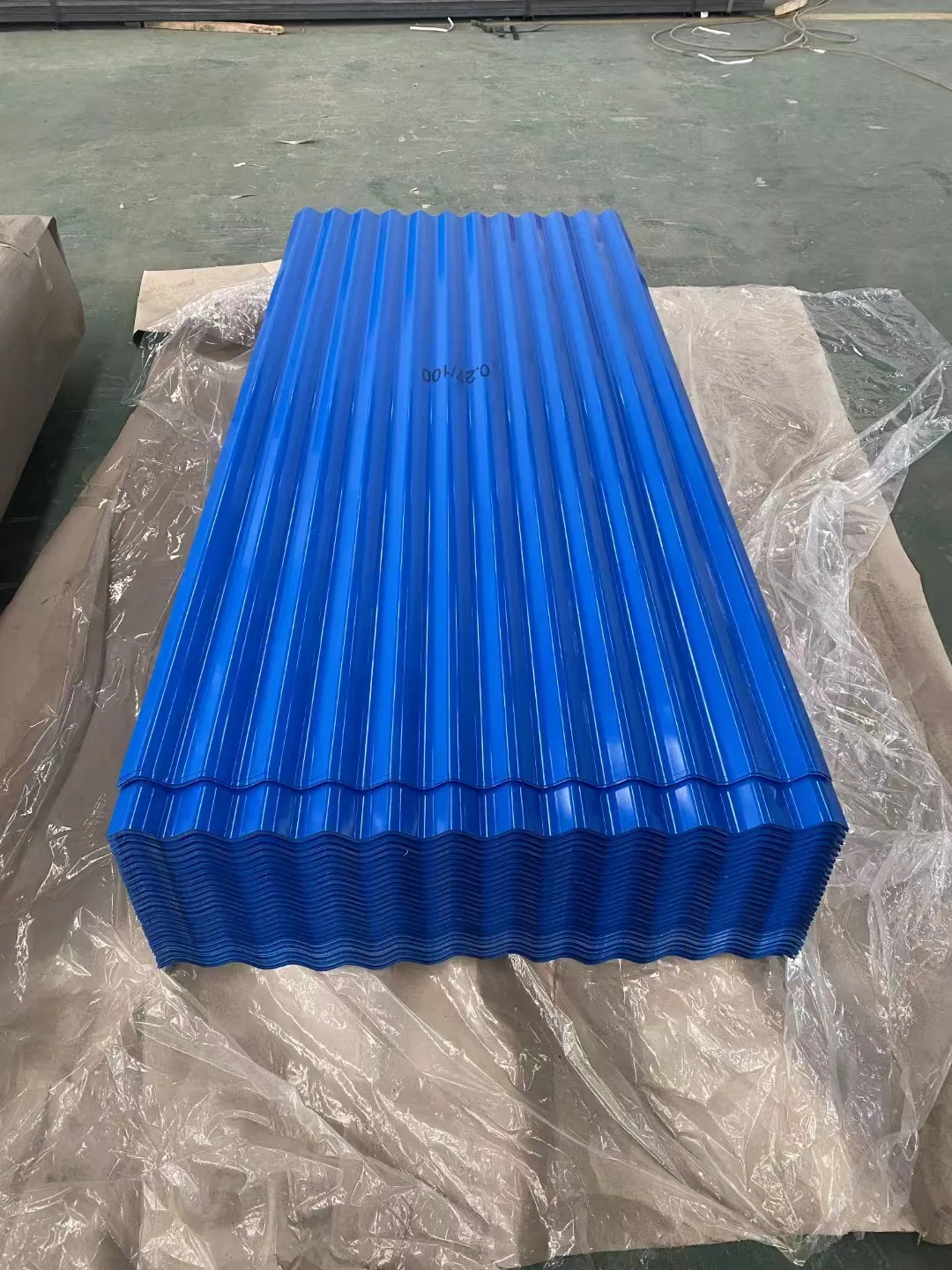
What Is a PPGI Corrugated Roofing Sheet and Why Is It Widely Used for Color Metal Roofs?
PPGI corrugated roofing sheet is a pre-painted galvanized wave-profile metal roofing material designed for colorful roofs, wall cladding, warehouses, sheds, industrial buildings and construction projects.
A complete professional guide to pre-painted galvanized corrugated roofing sheets, covering material structure, coating systems, color durability, applications, specifications, installation factors, quality inspection and purchasing decisions.
PPGI corrugated roofing sheet is one of the most practical and recognizable metal roofing materials in modern construction. It combines the corrosion protection of galvanized steel, the weather resistance of an organic paint system and the structural strength of a corrugated profile. For builders, distributors, roofing contractors and importers, it offers a balanced solution for color appearance, durability, efficient installation and cost control.
In global steel trade, the product is also called pre-painted galvanized corrugated roofing sheet, color coated corrugated sheet, PPGI roof sheet, color metal roofing sheet or painted galvanized roof panel. Although these names are often used in the same context, the actual product quality can vary significantly depending on the galvanized substrate, zinc coating weight, paint type, paint thickness, profile design, sheet thickness and production control.
This article explains what PPGI corrugated roofing sheet is, how it is made, why it is widely used for roof systems, what specifications matter most and how buyers can select the right material for long-term performance.
1. What Is a PPGI Corrugated Roofing Sheet?
A PPGI corrugated roofing sheet is a roof panel made from pre-painted galvanized iron, which means a galvanized steel substrate is coated with primer and top paint before being formed into a corrugated profile. The galvanized layer protects the steel from corrosion, while the paint coating provides color, weather resistance and additional surface protection.
The word corrugated refers to the repeated wave-shaped profile of the sheet. This profile increases stiffness, improves water drainage and allows lightweight steel to be used effectively for roofing and wall cladding. Compared with flat steel sheets, corrugated roofing sheets are much stronger in bending because the wave pattern works like a series of small ribs.
PPGI corrugated roofing sheets are widely used in residential roofs, factories, warehouses, agricultural buildings, temporary structures, workshops, market sheds, garages and low-cost housing projects. They are popular because they are light, colorful, easy to install and suitable for mass production.
2. How Is a PPGI Corrugated Roofing Sheet Structured?
A PPGI corrugated roofing sheet is a multi-layer material. Each layer has a different function, and all layers must work together to provide durable roofing performance.
| Layer | Function | Why It Matters |
|---|---|---|
| Steel substrate | Provides strength, formability and structural support | Determines rigidity, load performance and roll forming behavior |
| Galvanized coating | Protects steel through zinc corrosion protection | Improves resistance to rust, moisture and atmospheric exposure |
| Chemical pretreatment | Improves paint adhesion and surface stability | Reduces peeling, blistering and coating failure risks |
| Primer coating | Creates bonding layer between substrate and top paint | Improves corrosion resistance and paint system durability |
| Top coat | Provides color, gloss, UV resistance and weather protection | Directly affects appearance and outdoor performance |
| Back coat | Protects the underside of the sheet | Helps resist condensation and handling damage |
Because the sheet is already painted before profiling, PPGI roofing sheets offer consistent color and factory-controlled coating quality. This is different from painting after installation, where surface preparation and coating uniformity may be less stable.
3. How Is PPGI Corrugated Roofing Sheet Produced?
The production process begins with galvanized steel coil. The coil is cleaned, chemically treated, coated with primer, painted, cured and recoiled as PPGI coil. After that, the painted coil is roll formed or pressed into corrugated roofing sheets according to the required profile and length.
Main production steps
- Galvanized substrate selection: The manufacturer selects steel grade, thickness, zinc coating weight and width according to the target roofing sheet specification.
- Surface cleaning: Oil, dust and contaminants are removed to prepare the surface for coating.
- Chemical pretreatment: The galvanized surface is treated to improve paint adhesion and corrosion resistance.
- Primer coating: Primer is applied to improve bonding and protective performance.
- Top coat and back coat application: Paint is applied to both sides. The front side usually has a thicker and more weather-resistant coating.
- Curing: The coated strip passes through ovens so the paint film forms a stable and durable layer.
- Recoiling: The finished PPGI coil is wound for storage or direct profiling.
- Corrugated forming: The coil is processed through roll forming equipment to create the wave profile.
- Cutting and packing: Sheets are cut to required length and packed for delivery.
Good process control is essential. If pretreatment, paint curing, forming speed or sheet handling is not properly controlled, the final roofing sheet may suffer from paint cracks, scratches, color difference, poor adhesion or uneven profile shape.
4. Why Is PPGI Corrugated Roofing Sheet Popular for Color Metal Roofs?
The popularity of PPGI corrugated roofing sheet comes from a combination of practical advantages. It is not only a colored sheet; it is a building material designed to meet the needs of fast construction, weather exposure and attractive roof appearance.
Color appearance
PPGI sheets are available in many colors, including red, blue, green, grey, white and custom RAL colors. This allows architects and builders to match local design preferences.
Corrosion protection
The galvanized substrate and paint layers work together to protect the steel against moisture and atmospheric corrosion.
Lightweight roofing
Compared with concrete tiles or some heavy roofing materials, PPGI corrugated sheets reduce roof load and simplify transportation.
Fast installation
Large sheet coverage, simple fastening and easy cutting make PPGI roofing sheets suitable for efficient construction.
Additional benefits
- Good balance between cost and performance;
- Suitable for both roofing and wall cladding;
- Can be produced in customized lengths;
- Available in multiple corrugation profiles;
- Easy to transport in bundles;
- Compatible with common roofing accessories such as ridge caps, flashing and gutters.
5. Which Paint Systems Are Used for PPGI Corrugated Roofing Sheets?
The paint system is one of the most important factors in PPGI roofing sheet performance. Different paints provide different levels of UV resistance, color retention, flexibility and chemical resistance.
| Paint Type | Main Features | Typical Use |
|---|---|---|
| PE polyester | Economical, good general performance, wide color selection | General roofing, wall panels, common buildings |
| SMP silicon modified polyester | Better weather resistance and color retention than standard PE | Outdoor roofing with higher durability requirements |
| HDP high durability polyester | Improved UV resistance and long-term outdoor performance | Industrial roofs, commercial buildings, high sunlight areas |
| PVDF | Excellent weatherability, color stability and chemical resistance | Premium architectural roofing and demanding environments |
For many cost-sensitive roofing projects, PE coating is commonly used. For stronger sunlight, higher humidity or longer service life expectations, SMP, HDP or PVDF may be more suitable. Buyers should avoid selecting paint only by color and price; paint type and coating thickness should be clearly confirmed.
6. Why Does Zinc Coating Matter in PPGI Corrugated Roofing Sheet?
Because PPGI is based on galvanized steel, zinc coating weight plays a major role in corrosion resistance. The zinc layer protects the steel substrate below the paint system. If the paint is scratched, aged or exposed at cut edges, zinc protection becomes especially important.
Common zinc coating designations include Z60, Z80, Z100, Z120, Z180 and Z275. The number generally refers to total zinc coating mass on both sides of the steel sheet in grams per square meter.
| Application Environment | Suggested Zinc Coating | Selection Notes |
|---|---|---|
| Indoor or temporary roofing | Z60-Z80 | Suitable for low-corrosion conditions and short-term applications |
| General outdoor roofing | Z100-Z120 | Common choice for standard residential and industrial projects |
| Longer-life roof systems | Z120-Z180 | Better protection for higher moisture or longer service requirements |
| High humidity or severe exposure | Z180-Z275 or project-specific design | May also require upgraded paint system and careful installation details |
A low zinc coating may reduce initial cost, but it can shorten roof life in outdoor environments. A professional buyer should match zinc coating with climate, roof slope, exposure level, paint system and expected service life.
7. How Does the Corrugated Profile Improve Roofing Performance?
The corrugated profile is more than a visual pattern. It is a functional design that improves roof panel rigidity and water drainage. The wave shape helps the sheet resist bending and allows rainwater to flow downward efficiently when installed with proper slope and overlap.
Key functions of corrugation
- Higher stiffness: The wave profile increases bending resistance compared with a flat sheet of the same thickness.
- Improved drainage: Corrugation channels help guide water along the roof slope.
- Lightweight strength: The profile allows thinner steel to perform effectively in roofing applications.
- Easy overlapping: Corrugated sheets can be overlapped side by side and end to end for weather protection.
- Traditional appearance: The wave shape is widely accepted in many markets and building types.
Different markets may use different wave heights, pitch distances and effective widths. These details affect coverage area, installation method and structural performance.
8. Where Are PPGI Corrugated Roofing Sheets Used?
PPGI corrugated roofing sheets are versatile and widely used across construction, agriculture, manufacturing and infrastructure projects.
Residential roofing
In many regions, colored corrugated roofing sheets are used for houses, villas, extensions, carports and garages. They offer strong visual identity and economical installation.
Industrial buildings
Factories, warehouses, workshops and logistics facilities often use PPGI corrugated sheets for roofing and wall cladding because they are lightweight, fast to install and cost-effective for large areas.
Agricultural buildings
Barns, farm storage buildings, livestock shelters and equipment sheds commonly use corrugated metal roofing. PPGI provides color options and better surface protection than bare galvanized sheets.
Commercial and public structures
Markets, small shops, canopies, parking shelters and temporary public facilities may use PPGI corrugated sheets for economical and practical roof coverage.
Wall cladding and fence panels
Although mainly used for roofs, PPGI corrugated sheets can also be installed vertically as wall panels, partitions, fences and enclosure systems.
9. What Specifications Should Buyers Confirm Before Ordering?
To avoid misunderstandings, buyers should clearly define the technical specification before placing an order. Vague descriptions such as "color roofing sheet" are not enough for professional procurement.
| Specification Item | Common Options | Why It Matters |
|---|---|---|
| Thickness | 0.20 mm to 0.80 mm or customized | Affects strength, weight, cost and wind resistance |
| Width | Input coil width and effective roofing width | Determines sheet coverage and installation quantity |
| Length | Cut to length according to project requirement | Reduces site cutting and improves installation efficiency |
| Zinc coating | Z60, Z80, Z100, Z120, Z180, Z275 | Controls corrosion protection of galvanized substrate |
| Paint type | PE, SMP, HDP, PVDF | Affects weather resistance and color retention |
| Paint thickness | Common front coating 15-25 microns or customized | Influences surface durability and outdoor performance |
| Color | RAL color or custom sample | Ensures correct architectural appearance |
| Profile | Corrugated wave height, pitch and shape | Affects drainage, stiffness and roof design compatibility |
| Packaging | Bundle packing, waterproof paper, steel straps, pallet options | Protects sheets during export, handling and storage |
10. How Does PPGI Corrugated Roofing Sheet Compare with Other Roofing Materials?
PPGI corrugated roofing sheet is not the only metal roofing option. Buyers often compare it with galvanized corrugated sheets, PPGL roofing sheets and unpainted Galvalume sheets.
| Material | Main Advantage | Possible Limitation | Best Fit |
|---|---|---|---|
| PPGI corrugated roofing sheet | Color appearance, galvanized protection, economical roofing solution | Paint quality must match outdoor environment | Color roofs, wall panels, residential and industrial buildings |
| Galvanized corrugated roofing sheet | Good zinc protection and simple metallic appearance | No color coating, limited architectural appearance | Functional roofs, sheds, industrial use |
| PPGL corrugated roofing sheet | Good weather resistance from painted Galvalume substrate | Cut-edge behavior differs from galvanized substrate | Durable color roofing and wall cladding |
| Galvalume corrugated roofing sheet | Excellent metallic appearance and atmospheric corrosion resistance | No color finish unless painted | Metal roofs requiring unpainted Al-Zn appearance |
The best choice depends on project budget, expected service life, color requirement, local environment and installation details. For customers who need colorful appearance with practical corrosion protection, PPGI corrugated roofing sheet is often a strong choice.
11. How Can Buyers Judge the Quality of PPGI Corrugated Roofing Sheets?
Quality inspection should consider both the coated steel material and the finished corrugated sheet. A product may look acceptable at first glance, but hidden issues in coating adhesion, thickness tolerance or profile accuracy can cause problems later.
Key quality checkpoints
- Color consistency: Sheets in the same batch should have stable color and gloss.
- Paint adhesion: Coating should not peel easily during bending, forming or handling.
- Surface defects: Check for scratches, stains, bubbles, pinholes, roll marks and color bands.
- Thickness tolerance: Verify steel thickness according to contract requirements.
- Zinc coating: Confirm zinc coating weight through mill test certificate or inspection report.
- Profile accuracy: Wave height, pitch and effective width should match the required design.
- Sheet length: Cutting accuracy affects installation alignment and overlap.
- Packaging condition: Export packaging should protect sheets from moisture and edge damage.
Professional suppliers should provide product specifications, coating information, quality documents, packing photos and technical support before shipment.
12. What Installation Factors Affect the Service Life of PPGI Corrugated Roofing Sheets?
Even high-quality roofing sheets can fail early if they are installed incorrectly. Installation details strongly influence leakage resistance, corrosion behavior and long-term appearance.
Roof slope
A suitable roof slope helps water drain quickly. If the slope is too low, water may remain on the surface or enter through overlaps, increasing corrosion and leakage risks.
Overlap design
Side laps and end laps should follow local roofing practice and weather conditions. Areas with heavy rain or strong wind may require larger overlaps or sealant.
Fasteners
Roofing screws should be compatible with the sheet material and include proper sealing washers. Incorrect fasteners can cause leaks, rust stains or coating damage.
Cut edge protection
Cut edges expose the steel and coating layers. Good cutting tools, proper edge treatment and correct installation orientation help reduce corrosion risks.
Avoiding surface damage
Dragging sheets, walking with sharp objects or using inappropriate tools may scratch the paint. Damaged areas should be repaired according to the coating supplier's recommendation.
Ventilation and condensation control
In some buildings, condensation on the underside of roofing sheets may affect durability. Proper ventilation, insulation and vapor control can improve roof performance.
13. How Should Importers and Contractors Buy PPGI Corrugated Roofing Sheets?
For international buyers, purchasing PPGI corrugated roofing sheets requires more than comparing the lowest price. A professional order should define product requirements clearly and evaluate supplier reliability.
Questions to ask before ordering
- What is the base steel grade and thickness tolerance?
- What zinc coating weight is used for the galvanized substrate?
- What paint type is applied: PE, SMP, HDP or PVDF?
- What are the front and back paint thicknesses?
- Can the supplier provide RAL colors or custom color matching?
- What corrugated profile, wave height and effective width are available?
- Can sheet length be customized for the project?
- What export packaging method is used?
- Can the supplier provide mill test certificate and coating data?
- Can pre-shipment photos or third-party inspection be arranged?
Buying recommendation
For general outdoor roofing, buyers should usually pay attention to three key items first: zinc coating weight, paint system and steel thickness. These three factors have a major influence on corrosion resistance, color durability and structural performance.
14. Which Standards Are Commonly Related to PPGI Roofing Sheets?
PPGI corrugated roofing sheets may be produced according to different substrate and coating standards depending on market requirements. Common references include standards for galvanized steel sheet, pre-painted steel coil and dimensional tolerances.
- ASTM A653: Common reference for galvanized steel sheet substrate.
- ASTM A755: Common reference for pre-painted metallic-coated steel sheet.
- EN 10346: European standard for continuously hot-dip coated steel flat products.
- EN 10169: European standard related to continuously organic coated steel flat products.
- JIS G3312: Japanese standard for pre-painted hot-dip zinc-coated steel sheets and coils.
- GB/T standards: Chinese standards may be used for domestic production and export documentation.
Because standards differ in terminology, coating designation and testing methods, buyers should state the required standard clearly in contracts and purchase orders.
15. How Should PPGI Corrugated Roofing Sheets Be Stored and Handled?
Proper storage and handling help preserve coating quality before installation.
- Store sheets in a dry and ventilated place.
- Keep bundles away from rain, condensation and standing water.
- Do not place sheets directly on wet ground.
- Keep protective packaging intact until installation.
- Use clean gloves when handling painted surfaces.
- Avoid dragging one sheet over another to prevent scratches.
- Use proper lifting equipment for long sheets.
- Install sheets as soon as practical after opening the package.
For export shipments, waterproof packaging, stable bundling, edge protection and careful container loading are especially important.
Frequently Asked Questions About PPGI Corrugated Roofing Sheets
Is PPGI corrugated roofing sheet suitable for outdoor roofs?
Yes. PPGI corrugated roofing sheet is widely used for outdoor roof systems. The correct zinc coating, paint system, sheet thickness and installation method should be selected according to the local climate and service life requirement.
What is the difference between PPGI and galvanized corrugated roofing sheet?
Galvanized corrugated roofing sheet has a zinc-coated metallic surface, while PPGI corrugated roofing sheet has an additional factory-applied paint system over the galvanized substrate. PPGI provides color appearance and extra surface protection.
Which paint type is best for PPGI roofing sheets?
PE is common for general use, while SMP, HDP and PVDF provide better weather resistance and color retention for more demanding outdoor environments. The best choice depends on project budget, sunlight exposure and expected roof life.
What thickness is commonly used for PPGI corrugated roofing sheets?
Common thickness ranges vary by market, but many roofing projects use sheets between 0.25 mm and 0.60 mm. Wind load, roof span, profile design and local building requirements should be considered.
Can PPGI corrugated sheets be used for wall cladding?
Yes. PPGI corrugated sheets can be used as wall cladding, fence panels and enclosure materials. For wall use, appearance, profile direction, fastening method and color consistency are important.
Does PPGI roofing sheet rust?
PPGI roofing sheet has corrosion protection from both galvanized coating and paint layers, but it can still rust if the coating is damaged, the zinc layer is insufficient, edges are exposed or the environment is very aggressive.
How long can a PPGI corrugated roofing sheet last?
Service life depends on zinc coating, paint type, installation quality, roof slope, climate, maintenance and exposure conditions. A properly selected and installed product can provide reliable performance for many years.
What information should I provide when requesting a quotation?
You should provide thickness, width, length, corrugation profile, zinc coating, paint type, color, quantity, packaging requirement, destination port and intended application. Clear specifications help suppliers quote accurately.
Conclusion: Is PPGI Corrugated Roofing Sheet the Right Choice for Your Project?
PPGI corrugated roofing sheet is a practical and widely used color metal roofing material. It combines galvanized steel corrosion protection, factory-applied paint coating and corrugated profile strength. This makes it suitable for roofing, wall cladding, industrial buildings, agricultural structures, residential projects and many other construction applications.
The best roofing performance comes from choosing the right specification, not simply choosing the lowest price. Buyers should carefully confirm steel thickness, zinc coating weight, paint system, paint thickness, color, profile design, sheet length, packaging and supplier quality control.
When properly selected, produced, transported and installed, PPGI corrugated roofing sheet can provide attractive appearance, reliable durability, efficient installation and strong value for modern metal roof systems.
Need PPGI Corrugated Roofing Sheets for Your Market or Project?
Sunsea Steel can support buyers with pre-painted galvanized corrugated roofing sheets in customized thickness, color, zinc coating, paint system, profile and export packaging. Whether you need material for roofing distributors, construction projects, warehouses or wall cladding, we can help you match the right specification to your application.
Contact Sunsea SteelFrequently Asked Questions
Is PPGI corrugated roofing sheet suitable for outdoor roofs?
Yes. PPGI corrugated roofing sheet is widely used for outdoor roof systems. The correct zinc coating, paint system, sheet thickness and installation method should be selected according to the local climate and service life requirement.
What is the difference between PPGI and galvanized corrugated roofing sheet?
Galvanized corrugated roofing sheet has a zinc-coated metallic surface, while PPGI corrugated roofing sheet has an additional factory-applied paint system over the galvanized substrate. PPGI provides color appearance and extra surface protection.
Which paint type is best for PPGI roofing sheets?
PE is common for general use, while SMP, HDP and PVDF provide better weather resistance and color retention for more demanding outdoor environments. The best choice depends on project budget, sunlight exposure and expected roof life.
What thickness is commonly used for PPGI corrugated roofing sheets?
Common thickness ranges vary by market, but many roofing projects use sheets between 0.25 mm and 0.60 mm. Wind load, roof span, profile design and local building requirements should be considered.
Can PPGI corrugated sheets be used for wall cladding?
Yes. PPGI corrugated sheets can be used as wall cladding, fence panels and enclosure materials. For wall use, appearance, profile direction, fastening method and color consistency are important.
Does PPGI roofing sheet rust?
PPGI roofing sheet has corrosion protection from both galvanized coating and paint layers, but it can still rust if the coating is damaged, the zinc layer is insufficient, edges are exposed or the environment is very aggressive.
How long can a PPGI corrugated roofing sheet last?
Service life depends on zinc coating, paint type, installation quality, roof slope, climate, maintenance and exposure conditions. A properly selected and installed product can provide reliable performance for many years.
What information should I provide when requesting a quotation?
You should provide thickness, width, length, corrugation profile, zinc coating, paint type, color, quantity, packaging requirement, destination port and intended application. Clear specifications help suppliers quote accurately.