What is Cold Rolled Steel Coil? The Complete Manufacturing Process Explained
Comprehensive introduction to CRC: pickling, cold reduction, annealing, skin-passing, and how each step affects final product properties.
What is Cold Rolled Steel Coil? The Complete Manufacturing Process Explained
Comprehensive introduction to CRC: pickling, cold reduction, annealing, skin-passing, and how each step affects final product properties.
Cold Rolled Coil (CRC) is hot-rolled steel that has been further processed at room temperature through cold reduction mills to achieve thinner gauges, tighter tolerances, and superior surface quality. CRC is the foundation of modern manufacturing — from the car you drive to the refrigerator in your kitchen.
Global CRC production exceeds 200 million MT annually, making it one of the highest-volume steel products in the world.
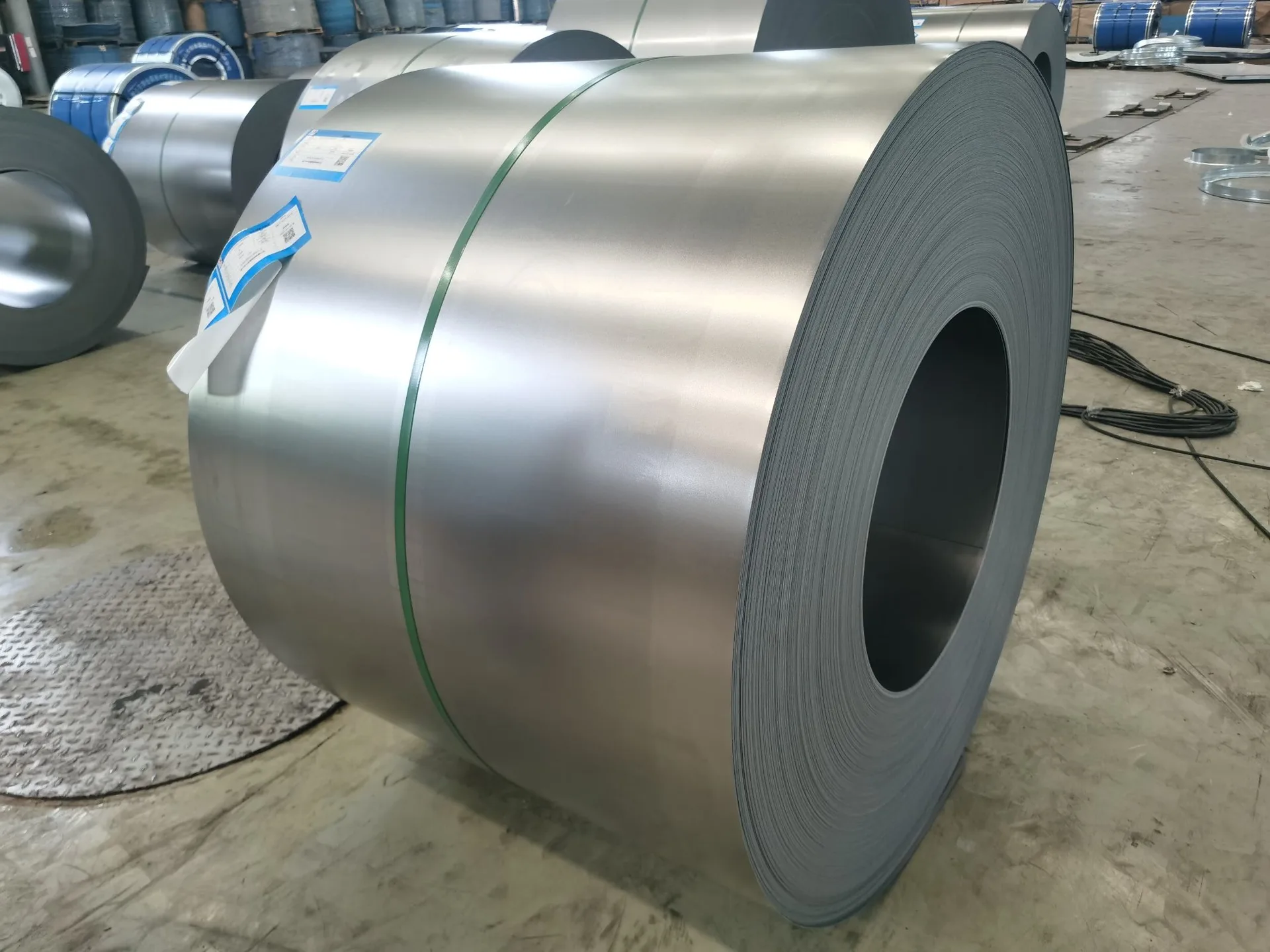
The 5-Step Manufacturing Process
- Pickling: HRC (hot rolled coil) enters a hydrochloric acid bath (15-18% HCl at 80°C) to remove mill scale (iron oxide layer). The clean steel surface is essential for subsequent cold rolling.
- Cold Reduction: Pickled coil passes through a tandem cold mill (4-6 stands) where thickness is reduced 50-90% without heating. A 2.5mm HRC input becomes 0.5mm CRC. The cold working increases hardness and tensile strength.
- Annealing: Cold-worked steel is too hard and brittle for forming. Annealing (reheating to 650-720°C in controlled atmosphere) restores ductility by recrystallizing the grain structure. Two methods: batch annealing (BA, 3-5 days) and continuous annealing (CAL, minutes).
- Skin Pass (Temper Rolling): Light cold rolling (0.5-2.0% reduction) after annealing. Purpose: eliminate yield point elongation (prevents stretcher strain marks during forming), set surface roughness, and improve flatness.
- Slitting/Cut-to-Length: Finished CRC is slit to customer width or cut to sheet lengths as required.
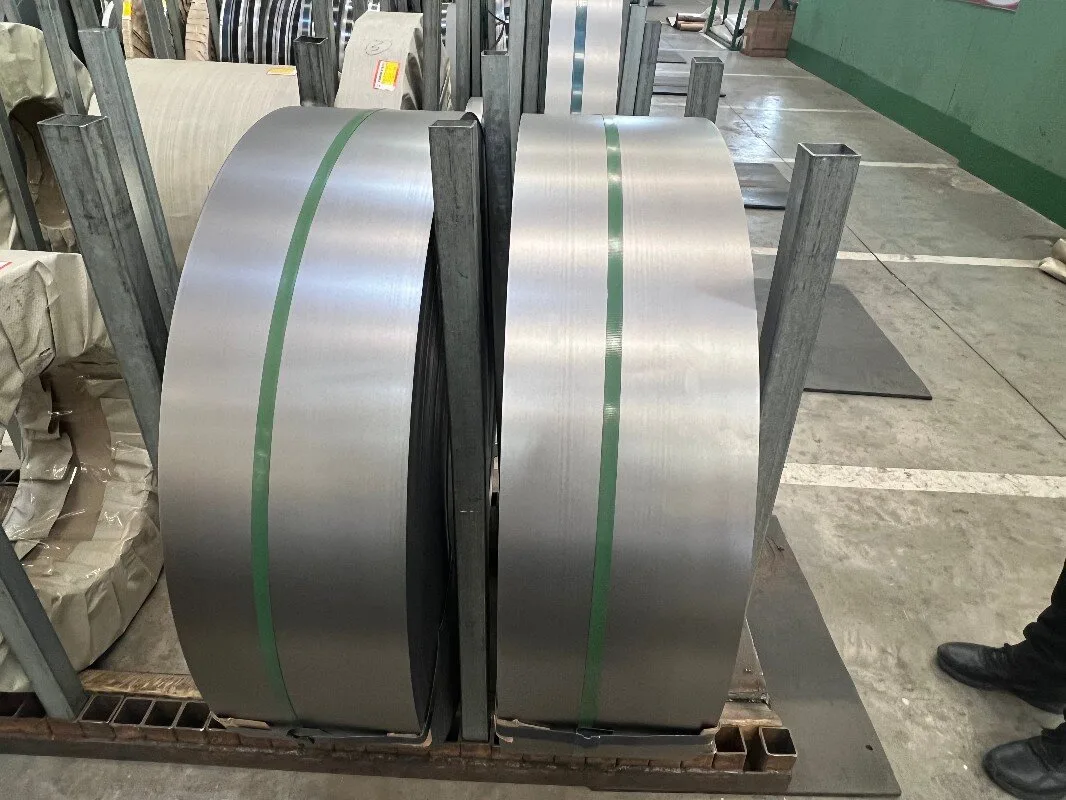
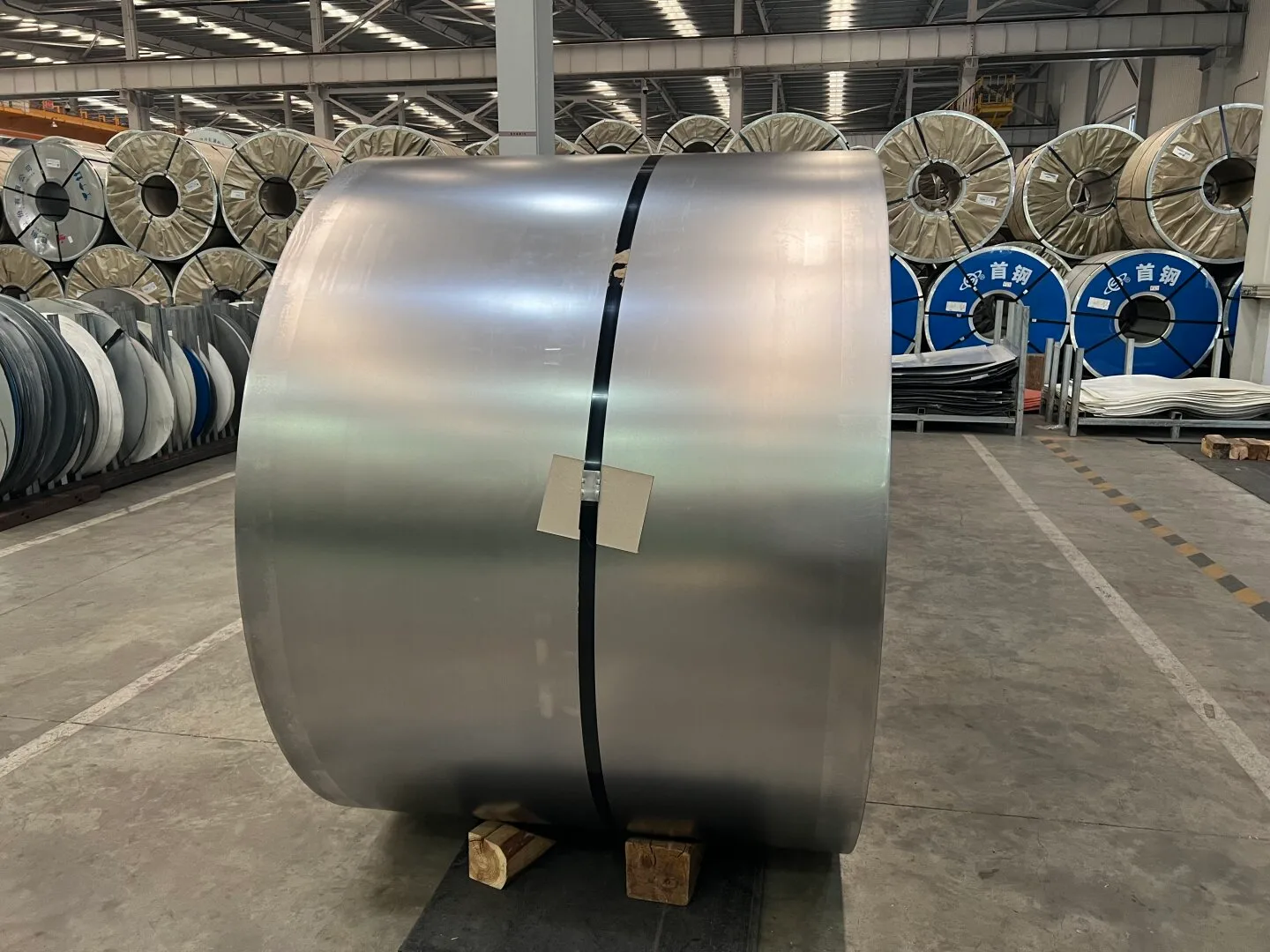
CRC vs HRC: Why Cold Rolling Matters
| Property | HRC (Hot Rolled) | CRC (Cold Rolled) |
|---|---|---|
| Thickness range | 1.2-25mm | 0.15-3.0mm |
| Thickness tolerance | ±0.10-0.15mm | ±0.02-0.05mm |
| Surface finish | Rough (mill scale) | Smooth (bright/matte) |
| Flatness | ±10-15mm/m | ±3-5mm/m (CAL product) |
| Surface roughness Ra | 3.0-12.0μm | 0.3-2.0μm (controllable) |
| Yield strength | 250-350 MPa (typical) | 140-280 MPa (annealed) |
CRC provides the precision, surface quality, and formability that modern manufacturing demands — properties that HRC simply cannot deliver.
How Annealing Method Affects Quality
- Batch Annealing (BA): 3-5 coils stacked in furnace, heated slowly over 3-5 days. Produces softer steel with good deep drawing properties. Coil-to-coil variation is higher. Suitable for DC03-DC04 deep drawing grades.
- Continuous Annealing (CAL): Coil unrolled and passed through heating-soaking-cooling zones in minutes. Produces more consistent properties with tighter coil-to-coil variation. Faster production. May produce slightly harder product than BA unless overaging is used.
- Modern trend: CAL is replacing BA worldwide due to faster throughput, lower energy cost, and more consistent quality. Top mills now produce DC04-equivalent drawing quality through CAL with overaging treatment.
 📷 请上传How Annealing Method Affects Quality相关配图📷 请上传How Annealing Method Affects Quality细节图
📌 Key Takeaways
- CRC is made by cold rolling HRC at room temperature: pickling → cold reduction → annealing → skin pass
- CRC achieves ±0.02mm thickness tolerance vs ±0.10mm for HRC — critical for precision manufacturing
- Annealing restores ductility lost during cold working — batch (3-5 days) or continuous (minutes)
- Skin pass eliminates stretcher strains, sets surface roughness, and improves flatness
Conclusion
Understanding the CRC manufacturing process helps buyers specify the right product for their application. Each processing step (pickling, cold reduction, annealing, skin pass) directly affects the final product's formability, surface quality, and dimensional precision.
💬 Need Expert Advice?
Our steel specialists are ready to help with product selection, technical questions, and competitive pricing.