What Is PPGI Steel Coil and How Do Paint System, Zinc Mass, and Coating Structure Affect Durability?
In-depth PPGI guide: coating stack, PE/SMP/HDP/PVDF systems, zinc mass selection, 2/1 vs 2/2 structures, and defect root causes for roofing and cladding.
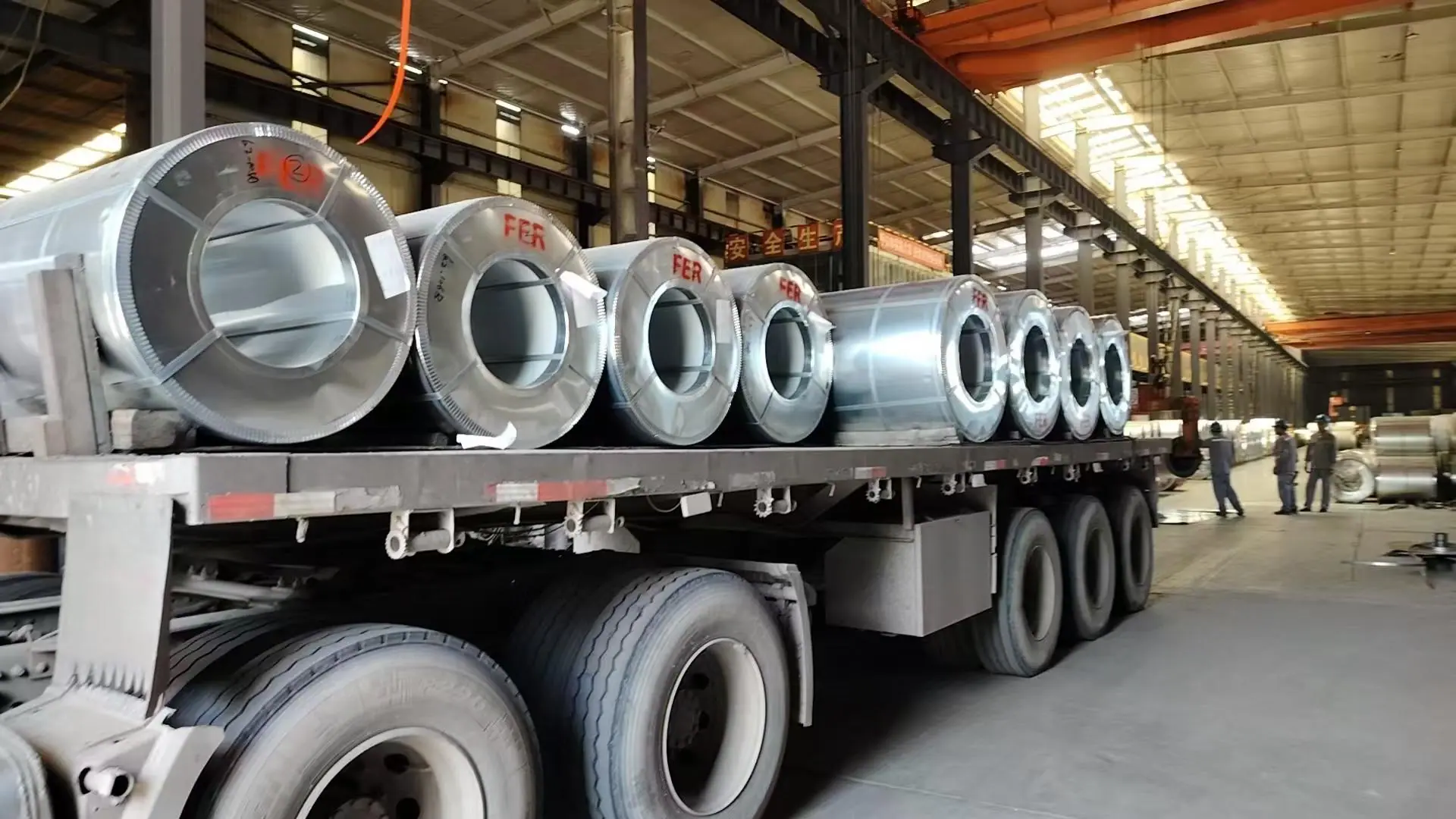
PPGI steel coil—prepainted galvanized steel coil—is zinc-coated steel that has been cleaned, chemically pretreated, primed, and finish-coated on a continuous coil-coating line. Buyers specifying exterior cladding, corrugated roofing, appliance wrappers, or interior partitions are not only buying a RAL color. They are buying a layered system: base steel + zinc mass + pretreatment + primer + topcoat + back coat, each of which can extend or shorten service life.
This guide covers how PPGI is manufactured, which specifications matter under standards such as ASTM A755/A755M (prepainted metallic-coated sheet for building products), EN 10169, and related substrate standards, how paint systems (PE, SMP, HDP, PVDF) differ, and which quality failures are most often misdiagnosed as “paint problems” when the root cause is substrate, pretreatment, oil residue, or fabrication damage.

What Is PPGI and How Is the Coating Stack Built?
A typical PPGI architecture is:
- Steel substrate — usually commercial or structural cold-rolled grades for forming or panel stiffness.
- Hot-dip zinc coating (GI) — commonly Z40–Z275 / G30–G90 class depending on market and exposure.
- Cleaning + conversion pretreatment — removes oil/oxides and creates adhesion-active surface chemistry.
- Primer — often about 5–7 µm, improving corrosion resistance and topcoat adhesion.
- Topcoat — commonly about 15–25 µm on the weather side for building products.
- Back coat / primer-backer — often about 5–10 µm, protecting the reverse side during transport and installation.
Total organic film thickness on the exposed face is therefore frequently in the mid-20 µm class for standard PE systems, while premium exterior systems may use thicker or multi-layer designs. Build notes should distinguish BMT (base metal thickness) from total coated thickness and state whether ordered thickness includes metallic and paint films.
Which PPGI Specifications Should Appear on a Purchase Order?
| Parameter | What to specify | Why it matters |
|---|---|---|
| Substrate grade | DX51D / CS, S280GD, S350GD, G550, etc. | Formability vs panel strength |
| Zinc mass | Z100, Z180, Z275 / G60, G90 | Cut-edge and scratch corrosion reserve |
| Paint system | PE, SMP, HDP, PVDF (+ primer type) | UV durability, chalking, color retention |
| Dry film thickness | Top / back µm targets | Barrier performance and wear resistance |
| Coating structure | 2/1 or 2/2 | Reverse-side protection in humid climates |
| Color / gloss | RAL or custom, gloss unit range | Aesthetics and heat absorption |
| Width / thickness | e.g. 0.30–0.80 mm x 600–1250 mm | Profile design and yield |
| Tests | T-bend, reverse impact, MEK, salt spray, ΔE/gloss | Verifies process window, not just color match |
For general inland roofing and wall panels, PE on Z100–Z180 substrates is widely used. For higher UV load or longer aesthetic warranties, SMP or HDP is often selected. For coastal prestige facades or long color-retention targets, PVDF systems are the usual premium choice—provided the metallic coating mass and edge detailing are also upgraded.
How Do PE, SMP, HDP, and PVDF Paint Systems Differ on PPGI?
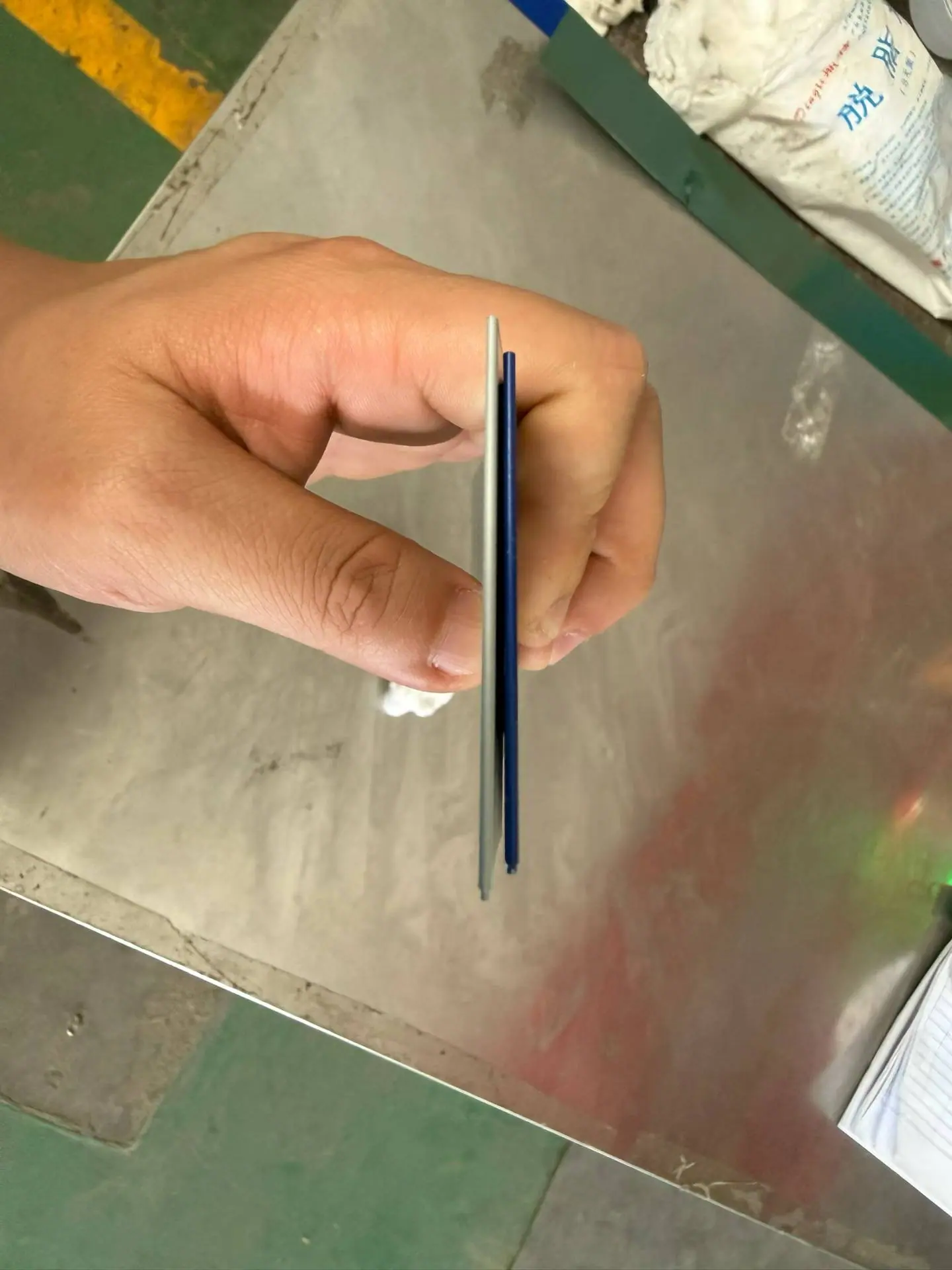
- PE (polyester) — economical, good formability, broad color range; moderate UV and chemical resistance; common for cost-sensitive roofing and indoor-outdoor general use.
- SMP (silicone-modified polyester) — better gloss/color retention and weatherability than standard PE; often chosen for mid-tier exterior panels.
- HDP (high-durability polyester) — improved outdoor durability versus PE/SMP in many formulations, without full PVDF cost.
- PVDF (polyvinylidene fluoride) — excellent UV stability, chalk resistance, and color retention; preferred for demanding architectural exposure.
Paint chemistry does not replace zinc. At cut edges, scratches, and reverse-side condensation zones, the metallic coating still provides the last line of corrosion defense. Specifying PVDF on a very light zinc substrate in a marine climate is a common imbalance.
Where Is PPGI Used—and What Changes Between Applications?
Roofing and wall cladding: prioritize UV durability, reverse-side protection, fastener compatibility, and profile formability. Dark colors absorb more heat and can stress both paint and substrate on sun-facing roofs.
Corrugated and tile-profile sheets: require verified T-bend and reverse-impact performance so ribs and valleys do not show microcracking after roll forming.
Appliances and indoor panels: emphasize surface smoothness, fingerprint resistance of the topcoat, color consistency, and cleaner backers; zinc mass can be lower if the environment is controlled.
Sandwich panel skins: need controlled flatness, adhesive-compatible reverse sides, and stable coil shape to avoid oil canning after lamination.
What Quality Problems Appear on PPGI Coils and Panels—and Why?
| Issue | What you see | Frequent root causes |
|---|---|---|
| Paint peeling / poor adhesion | Flaking at bends or after aging | Residual oil on GI, weak pretreatment, under-cured primer, contamination between coats |
| T-bend cracking / paint crazing | Microcracks on outside radii | Topcoat too brittle for grade, excessive DFT, too-small forming radius, high-strength substrate |
| Color difference between coils | Visible ΔE on adjacent panels | Different paint batches, line speed/oven variance, metamerism under site lighting, mixed gloss |
| Chalking and fading | Powdery surface, color shift | Paint system under-specified for UV climate, thin topcoat, wrong resin choice for equatorial exposure |
| Blistering / edge creep corrosion | Blisters, underfilm red/white corrosion | Low zinc mass, damaged cut edges, moisture ingress at laps, inadequate primer, coastal salt load |
| Orange peel / dirt inclusions | Texture defects, seeds | Application viscosity issues, oven dirt, poor room cleanliness, substrate roughness transfer |
| Reverse-side corrosion in bundles | White/red products on backer | Wet packing, 2/1 system in humid export, damaged paper interleave, long outdoor storage |
| Roll-forming black marks / scuffs | Shiny or dark rub lines | Dirty stands, excessive pressure, insufficient temporary protection film where required |
How Should Fabricators and Importers Inspect Incoming PPGI?
- Match coil labels to MTC: grade, zinc mass, paint system, DFT, color code, gloss.
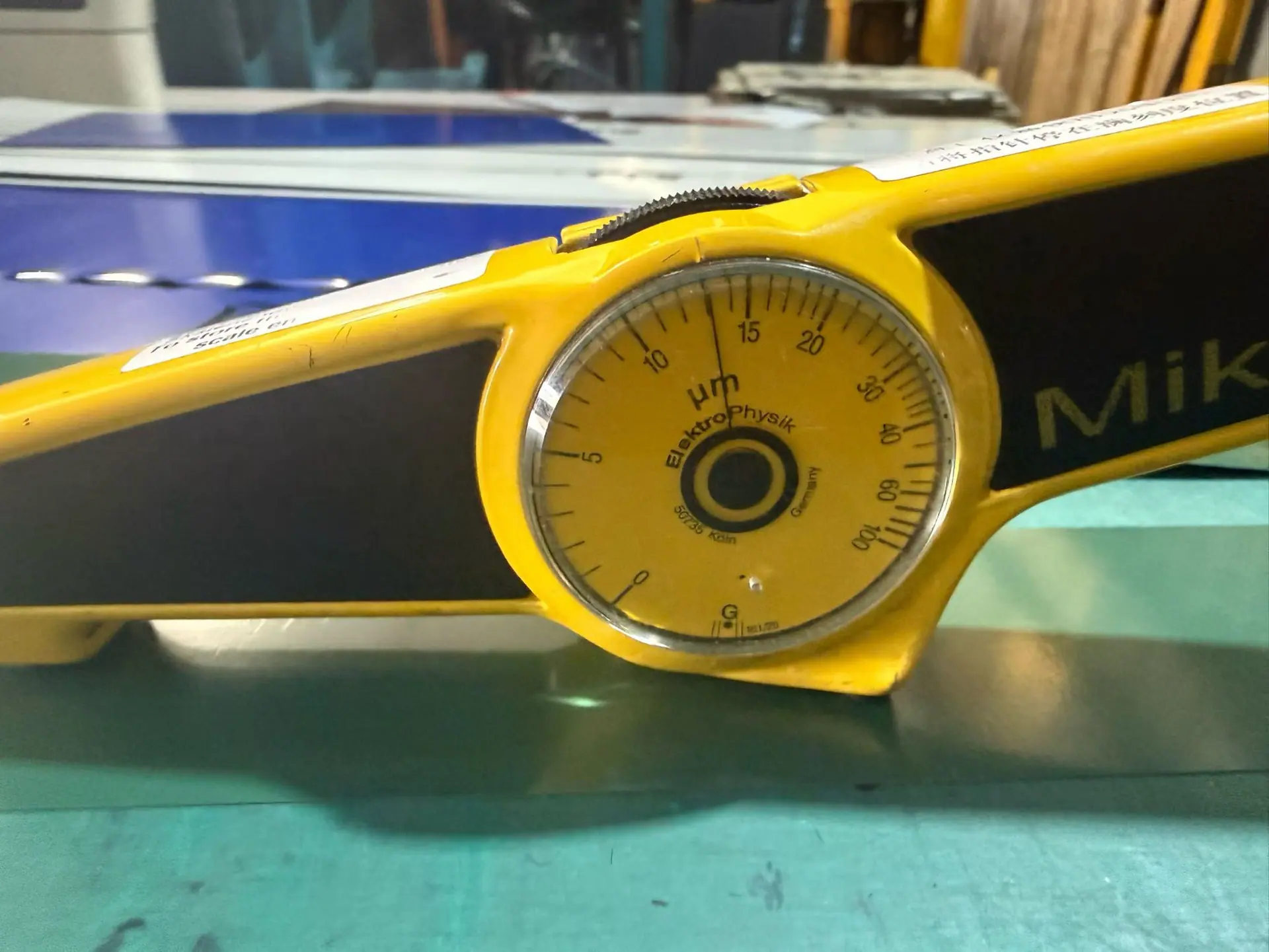
- Measure top and back dry film thickness at multiple locations across width.
- Run T-bend and reverse-impact checks representative of the actual profile radii.
- Check ΔE and gloss against master panel under agreed illuminant.
- Inspect edges for pretreatment/paint skip and look for transit wetness under outer wraps.
- Trial-form one roofing/wall profile before releasing a full production campaign.
Key Takeaways for PPGI Specification
High-performing PPGI is balanced: enough zinc for cut-edge life, a pretreatment/primer package that actually adheres, a topcoat chemistry matched to UV and pollution load, and fabrication practices that do not crack or abrade the film. Color selection is visible; system design is what determines whether panels still look and perform as intended after years of weather and forming stress.
To source PPGI coils or color-matched roofing feedstock, contact SUNSEA STEEL CO., LIMITED at [email protected] or WhatsApp +86 152 6555 2259 via https://wa.me/8615265552259.
Frequently Asked Questions
What is PPGI steel coil?
PPGI is prepainted galvanized steel coil: zinc-coated steel that is coil-coated with primer and finish paint. It is used for roofing, wall cladding, appliances, and fabricated panels where color and corrosion protection are both required.
What zinc coating is recommended under PPGI for outdoor use?
Many general building projects use Z100-Z180 class substrates, while more corrosive or longer-life outdoor applications often move toward Z180-Z275 / G60-G90. Paint quality cannot fully compensate for inadequate metallic coating at cut edges.
What is the difference between PE, SMP, and PVDF on PPGI?
PE is the economical general-purpose topcoat. SMP improves weatherability and gloss retention versus standard PE. PVDF offers superior UV stability and color retention for premium architectural exposure, usually at higher cost.
What does a 2/1 or 2/2 PPGI coating structure mean?
2/2 means finish coats on both top and reverse sides (plus primers as designed). 2/1 typically uses a full top system on the weather side and only a thinner backer/primer on the reverse. Humid export and insulated panel service often benefit from stronger reverse-side protection.
Why does PPGI paint crack after roll forming?
Common causes include topcoat dry-film thickness too high for the bend radius, brittle paint chemistry, high-strength substrate with tight ribs, low line temperature forming, or paint under/over cure. Verify T-bend against the actual profile.
What causes color difference between PPGI coils?
Batch-to-batch pigment variation, oven or line-speed drift, gloss mismatch, and viewing-light metamerism are typical. Order master samples, define Delta-E/gloss tolerances, and avoid mixing production lots on the same facade elevation when possible.
Which standards apply to PPGI procurement?
Substrate zinc coating is often ASTM A653 or EN 10346. Prepainted building sheet is commonly referenced to ASTM A755/A755M, with organic-coated product rules and tests under EN 10169 and EN 13523 methods for adhesion, bend, impact, and corrosion.