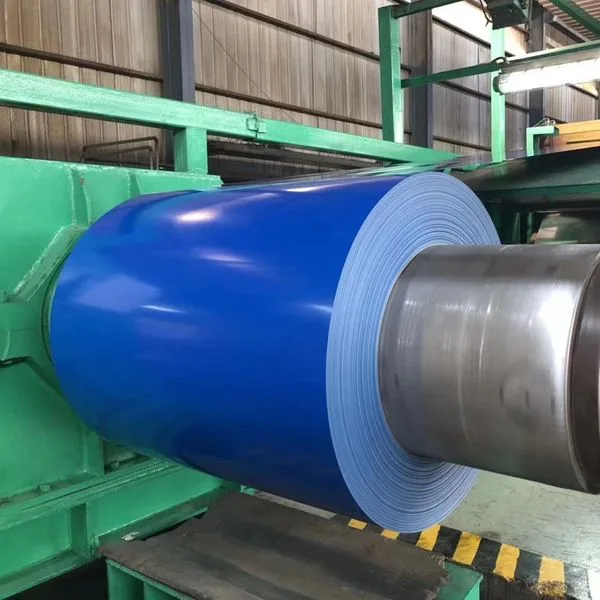
What Is PPGI Steel Coil and How Does It Improve Roofing, Cladding and Industrial Products?
What Is PPGI Steel Coil and How Does It Improve Roofing, Cladding and Industrial Products?
PPGI steel coil, also known as pre-painted galvanized steel coil, is one of the most widely used coated steel materials in modern construction, roofing, wall cladding, home appliances and industrial manufacturing. It combines the corrosion protection of galvanized steel with the decorative and functional advantages of an organic paint coating. The result is a steel coil that is stronger than many decorative sheet materials, more corrosion resistant than bare carbon steel, and more visually flexible than ordinary galvanized coil.
For global steel buyers, PPGI is not simply a colorful steel product. Its real value depends on the quality of the base metal, zinc coating, pretreatment, primer, top coat, back coat, curing process and packaging. Two coils may look similar at first glance, but they can perform very differently after roll forming, outdoor exposure, transportation or installation on a building roof.
This article provides a professional, original and practical guide to PPGI steel coil. It explains what PPGI is, how it is produced, why coating systems matter, where it is used, how it compares with PPGL and galvanized steel, and what buyers should check before ordering from a supplier.
1. What Is PPGI Steel Coil?
PPGI stands for pre-painted galvanized iron, although in modern industry it usually refers to pre-painted galvanized steel coil. It is made by applying one or more layers of paint to a galvanized steel substrate through a continuous coil coating process.
The base material is usually hot-dip galvanized steel coil. The zinc coating protects the steel substrate from corrosion, while the paint coating adds color, weather resistance, chemical resistance and improved appearance. This layered protection makes PPGI suitable for both functional and decorative applications.
PPGI steel coil is commonly used to produce:
- roofing sheets;
- wall cladding panels;
- corrugated sheets;
- sandwich panel facings;
- metal ceilings;
- garage doors;
- appliance panels;
- steel furniture;
- industrial enclosures;
- decorative building materials.
Because it is supplied in coil form, PPGI can be efficiently processed by slitting, cutting, roll forming, profiling and light fabrication. This makes it attractive for manufacturers and distributors who need consistent color-coated steel in large volumes.
2. The Structure of Pre-Painted Galvanized Steel
A high-quality PPGI coil is a multi-layer system. Each layer has a specific role, and the final performance depends on how well these layers work together.
| Layer | Main Function | Why It Matters |
|---|---|---|
| Steel substrate | Provides strength, shape and structural support | Affects formability, hardness, panel strength and processing stability. |
| Zinc coating | Protects steel against corrosion | Improves service life, especially at scratches and cut edges. |
| Pretreatment layer | Improves paint adhesion and corrosion resistance | Essential for coating durability and long-term paint performance. |
| Primer | Enhances adhesion and adds corrosion protection | Connects the metal substrate with the top coat and improves coating stability. |
| Top coat | Provides color, gloss, weather resistance and appearance | Determines visible quality, UV resistance and outdoor durability. |
| Back coat | Protects the reverse side and supports fabrication | Important for sandwich panels, roofing sheets and corrosion control. |
This structure explains why PPGI quality cannot be judged only by color. A bright surface may look attractive, but if pretreatment is poor, primer is weak or zinc coating is insufficient, the product may fail during outdoor use.
Professional note: When comparing PPGI prices, buyers should compare the complete specification, not only thickness and color. Zinc coating weight, paint type, top coat thickness, primer quality and back coat requirements can all change the cost and performance.
3. How PPGI Steel Coil Is Produced
PPGI steel coil is produced through a continuous color coating line. The process is designed to clean, pretreat, paint, cure and rewind the steel strip under controlled conditions.
Main production steps
- Uncoiling: Galvanized steel coil is loaded and continuously fed into the coating line.
- Cleaning and degreasing: Oil, dirt and surface contaminants are removed to prepare the surface for coating.
- Chemical pretreatment: A conversion layer is applied to improve corrosion resistance and paint adhesion.
- Primer coating: Primer is applied to one or both sides of the strip, depending on the specification.
- Primer curing: The coated strip passes through an oven to cure the primer at a controlled temperature.
- Top coating: The visible side receives the required paint system, color and gloss.
- Back coating: The reverse side is coated to protect the material and meet application requirements.
- Final curing: The paint layers are baked and cured to achieve adhesion, hardness and durability.
- Cooling: The strip is cooled before inspection and recoiling.
- Quality inspection: Color, gloss, coating thickness, adhesion, surface quality and dimensions are checked.
- Recoiling and packaging: The finished PPGI coil is wound, labeled and packed for delivery or export.
Stable coil coating technology is important because PPGI must not only look good when delivered; it must also withstand forming, transportation, installation and exposure to real service environments.
4. Key Benefits of PPGI Steel Coil
Decorative appearance with wide color options
PPGI steel coil can be produced in a wide range of colors according to RAL color codes or customized samples. Buyers can choose different gloss levels, textures and finishes to meet architectural or branding requirements. This gives designers and manufacturers more flexibility than ordinary galvanized steel.
Improved corrosion protection
The combination of zinc coating and organic paint coating provides layered protection. The zinc layer protects the steel substrate, while the paint system reduces direct contact with moisture, oxygen and pollutants. This is why PPGI is widely used for roofing and wall cladding.
Efficient processing and installation
PPGI is supplied in coil form, making it suitable for continuous roll forming into roofing sheets, wall panels and other profiles. Compared with painting after fabrication, pre-painted coil can improve production efficiency and reduce labor cost.
Good cost-performance balance
For many construction and industrial uses, PPGI provides an effective balance between appearance, durability and cost. It is often more economical than painting individual steel components after forming, especially in high-volume production.
Reduced maintenance in suitable environments
When the correct paint system and zinc coating are selected, PPGI can reduce the need for frequent repainting or surface maintenance. This is especially valuable for roofs, cladding and building envelope materials.
5. Common Paint Systems for PPGI
The paint system is one of the most important factors in PPGI performance. Different coatings are designed for different environments, budgets and durability expectations.
| Paint Type | Main Features | Common Applications |
|---|---|---|
| PE Polyester | Cost-effective, good adhesion, broad color options | General roofing, wall panels, interior and mild outdoor use |
| SMP Silicone Modified Polyester | Better durability and weather resistance than standard polyester | Building panels, roofing and outdoor applications |
| HDP High Durable Polyester | Improved UV resistance, color retention and outdoor performance | Longer-life roofing and cladding systems |
| PVDF | Excellent weather resistance, color retention and chemical resistance | Premium architectural panels, harsh climates and high-end projects |
Standard polyester may be enough for general applications, but demanding outdoor projects may require HDP or PVDF coatings. Buyers should consider sunlight intensity, humidity, pollution, salt exposure, expected service life and budget before choosing a paint system.
6. Main Applications of PPGI Steel Coil
Roofing sheets
PPGI is widely roll formed into corrugated roofing sheets, trapezoidal panels, tile-profile sheets and standing seam panels. The material provides both weather protection and attractive appearance, making it suitable for residential buildings, factories, warehouses, commercial properties and agricultural structures.
Wall cladding and facade panels
Color-coated galvanized steel is commonly used for wall cladding systems and exterior panels. Its color flexibility allows architects and builders to create different visual effects while maintaining practical durability.
Sandwich panels
PPGI is frequently used as the outer and inner facing material for sandwich panels. These panels are used in cold storage buildings, industrial workshops, clean rooms, prefabricated buildings and insulated wall systems.
Home appliances
Appliance manufacturers may use pre-painted steel for refrigerators, washing machines, freezers, air conditioners and other products. For this application, surface quality, color consistency, scratch resistance and formability are especially important.
Garage doors and shutters
PPGI provides a clean surface, good strength and stable color for garage doors, roller shutters and door panels. The material can be profiled and formed into different patterns.
Interior decoration and ceilings
In interior use, PPGI can be applied to ceiling panels, partition panels, decorative sheets and metal furniture. These applications may not require the highest weather resistance, but they often need good surface finish and color uniformity.
Industrial enclosures and equipment covers
Electrical cabinets, control panels, equipment housings and industrial covers can be made from PPGI when color, corrosion resistance and fabrication efficiency are required.
7. PPGI vs GI, PPGL and Other Coated Steel
PPGI vs galvanized steel coil
Galvanized steel coil, also known as GI coil, has a zinc coating but no paint coating. PPGI uses galvanized steel as the base and adds a paint system. Therefore, PPGI usually offers better appearance and additional surface protection, while GI coil is often selected for applications where color is not required.
PPGI vs PPGL
PPGL stands for pre-painted Galvalume steel coil. The main difference is the metallic coated substrate. PPGI uses galvanized steel, while PPGL uses aluminum-zinc coated steel. PPGL may offer excellent atmospheric corrosion resistance in many roofing applications, while PPGI often has strong cut-edge protection due to the zinc coating. The best choice depends on environment, profile design, coating system and budget.
| Product | Substrate | Main Advantage | Typical Use |
|---|---|---|---|
| GI Coil | Galvanized steel | Good corrosion protection without paint | Ducts, structures, fabrication, base material |
| PPGI Coil | Galvanized steel plus paint coating | Color, appearance and layered protection | Roofing, cladding, appliances, panels |
| PPGL Coil | Galvalume steel plus paint coating | Strong atmospheric corrosion resistance and heat reflectivity | Roofing, wall panels, exterior applications |
8. Common Standards and Specifications
PPGI steel coil specifications may refer to standards for the substrate, coating, testing methods and color tolerance. Common standards and references include EN, ASTM, JIS and GB systems depending on the target market.
Important specification items include:
- Base steel grade: such as DX51D, SGCC, S280GD or other forming and structural grades.
- Zinc coating weight: such as Z80, Z120, Z180 or Z275 depending on corrosion requirements.
- Paint type: PE, SMP, HDP, PVDF or another coating system.
- Top coat thickness: often specified in microns according to project needs.
- Back coat thickness: selected according to application and panel design.
- Color standard: RAL color code or buyer-approved sample.
- Gloss level: matte, low gloss, medium gloss or high gloss.
- Coil size: thickness, width, coil weight and inner diameter.
Practical buying tip: A clear PPGI order should include substrate grade, zinc coating, paint system, top and back coating thickness, color code, gloss, thickness, width, coil weight, packaging and intended application.
9. How to Judge PPGI Coil Quality
Quality evaluation should combine document review, visual inspection and performance testing. A professional buyer should not rely only on photos or price.
Color consistency
Color difference can cause serious problems when coils are used on the same building surface. Buyers should confirm color standards, acceptable tolerance and batch control before ordering.
Paint thickness
Paint thickness affects durability, appearance and corrosion protection. Both top coat and back coat thickness should be measured and confirmed according to the contract.
Adhesion performance
Good adhesion helps prevent paint peeling, cracking or flaking during bending, roll forming and long-term use. Common tests may include T-bend, cross-cut or impact resistance tests.
Surface quality
The surface should be free from serious scratches, stains, bubbles, pinholes, color bands, roller marks and coating defects. For appliance or decorative use, surface requirements are usually stricter than general roofing applications.
Gloss stability
Gloss affects appearance and perceived quality. For architectural projects, inconsistent gloss across panels can create visible differences after installation.
Substrate quality
Even the best paint system cannot compensate for poor base steel. Thickness tolerance, flatness, mechanical properties and zinc coating quality all matter.
Packaging quality
PPGI coils are sensitive to moisture, impact and surface abrasion during transportation. Export packaging should protect the coil from water, scratches, edge damage and handling stress.
10. Buying Guide for Global Buyers
When purchasing PPGI steel coil, buyers should define the final application first. A coil used for low-cost interior panels should not be specified the same way as a coil used for long-life roofing in a coastal area.
| Buying Item | What to Confirm |
|---|---|
| Application | Roofing, wall cladding, sandwich panel, appliance, ceiling, door or industrial enclosure. |
| Substrate | Galvanized steel grade, zinc coating weight and mechanical properties. |
| Paint system | PE, SMP, HDP, PVDF or other coating type according to environment and service life. |
| Coating thickness | Top coat and back coat thickness, primer requirement and testing method. |
| Color and gloss | RAL color code, physical sample, gloss level and acceptable tolerance. |
| Dimensions | Thickness, width, coil weight, inner diameter and tolerance. |
| Processing method | Roll forming, bending, slitting, cutting or stamping requirements. |
| Quality documents | Mill test certificate, coating test report, color report and inspection photos. |
| Packaging | Standard packing, reinforced export packing, eye-to-wall or eye-to-sky arrangement. |
A reliable PPGI coil supplier should ask about your application and recommend suitable specifications. If a supplier only discusses price without clarifying zinc coating, paint system, color tolerance or packaging, the buyer should be cautious.
11. Storage and Handling Tips
Proper storage and handling are important for maintaining PPGI quality before processing or installation.
- Store coils in a dry and ventilated warehouse.
- Keep coils away from rain, condensation and direct contact with wet floors.
- Do not remove packaging until the coil is ready for processing.
- Use proper lifting tools to avoid edge damage and surface scratches.
- Avoid dragging sheets across each other after cutting or profiling.
- Process opened coils as soon as possible to reduce moisture risk.
- Protect finished panels during transportation and installation.
- Avoid contact with incompatible chemicals, cement dust or aggressive cleaning agents.
For export orders, storage conditions during sea transportation and destination warehousing should be considered. Moisture trapped inside packaging can lead to staining, corrosion or coating damage.
12. Common Problems and How to Avoid Them
Paint peeling after bending
This may result from poor pretreatment, weak primer, unsuitable paint system or excessive forming. Buyers should confirm bend performance before mass production.
Color difference between coils
Color difference is often caused by batch variation or unclear tolerance requirements. Large projects should use controlled batches and approved color samples.
Premature fading
Strong UV exposure can cause fading if the paint system is not suitable. For high-sunlight regions, HDP or PVDF coatings may be more appropriate than standard polyester.
White rust at cut edges or back side
This may occur when moisture remains trapped or zinc coating is insufficient. Proper zinc coating, back coat selection, storage and drainage design can reduce risk.
Scratches during processing
Roll forming equipment, handling methods and protective film options should be checked when surface appearance is critical.
13. Frequently Asked Questions About PPGI Steel Coil
What does PPGI mean?
PPGI means pre-painted galvanized iron, but in modern steel trade it usually refers to pre-painted galvanized steel coil. It is galvanized steel coated with primer and paint through a continuous coil coating process.
Is PPGI suitable for roofing?
Yes. Roofing is one of the most common applications of PPGI steel coil. It can be roll formed into corrugated sheets, trapezoidal panels and other roofing profiles. The correct paint system and zinc coating should be selected according to the environment.
What is the difference between PPGI and PPGL?
PPGI uses galvanized steel as the substrate, while PPGL uses Galvalume or aluminum-zinc coated steel as the substrate. Both are pre-painted steel products, but their corrosion behavior and application suitability may differ.
Which paint system is best for PPGI?
There is no single best paint system for all projects. PE is cost-effective for general use, SMP and HDP offer better durability, and PVDF is commonly selected for premium outdoor architectural applications.
Can PPGI steel coil be customized by color?
Yes. PPGI can be produced according to RAL color codes or approved physical color samples. Buyers should confirm color tolerance and batch control for large projects.
How long does PPGI last?
The service life depends on zinc coating, paint system, environment, installation quality and maintenance. A properly selected PPGI product can provide long-term performance in suitable construction and industrial applications.
What information should buyers provide when requesting a PPGI quote?
Buyers should provide thickness, width, steel grade, zinc coating, paint type, top and back coating thickness, color code, gloss, coil weight, application, quantity and packaging requirements.
Conclusion: Choosing PPGI Steel Coil for Reliable Long-Term Performance
PPGI steel coil is more than a colored metal sheet. It is a carefully engineered coated steel product that combines steel strength, zinc corrosion protection and organic paint performance. When properly specified, it can deliver attractive appearance, efficient processing, weather resistance and long-term value for roofing, cladding, appliances and industrial products.
The key to buying high-quality PPGI is understanding the full material system. Buyers should look beyond surface color and compare substrate grade, zinc coating weight, pretreatment, primer, top coat, back coat, paint type, color control, testing documents and packaging quality.
For general building use, polyester-coated PPGI may offer a practical and economical solution. For demanding outdoor environments, stronger paint systems such as SMP, HDP or PVDF may provide better durability and color retention. For export buyers, reliable packaging and clear inspection documents are just as important as technical specifications.
By matching PPGI specifications with real application conditions, buyers can reduce quality risks, improve product performance and achieve better long-term value in the competitive global coated steel market.
Need PPGI Steel Coil for Roofing, Cladding or Manufacturing?
Before placing an order, confirm your substrate, zinc coating, paint system, color code, coating thickness, dimensions, packaging and final application. A professional PPGI steel coil supplier can help you choose the right specification for stable processing, reliable appearance and long-term performance.