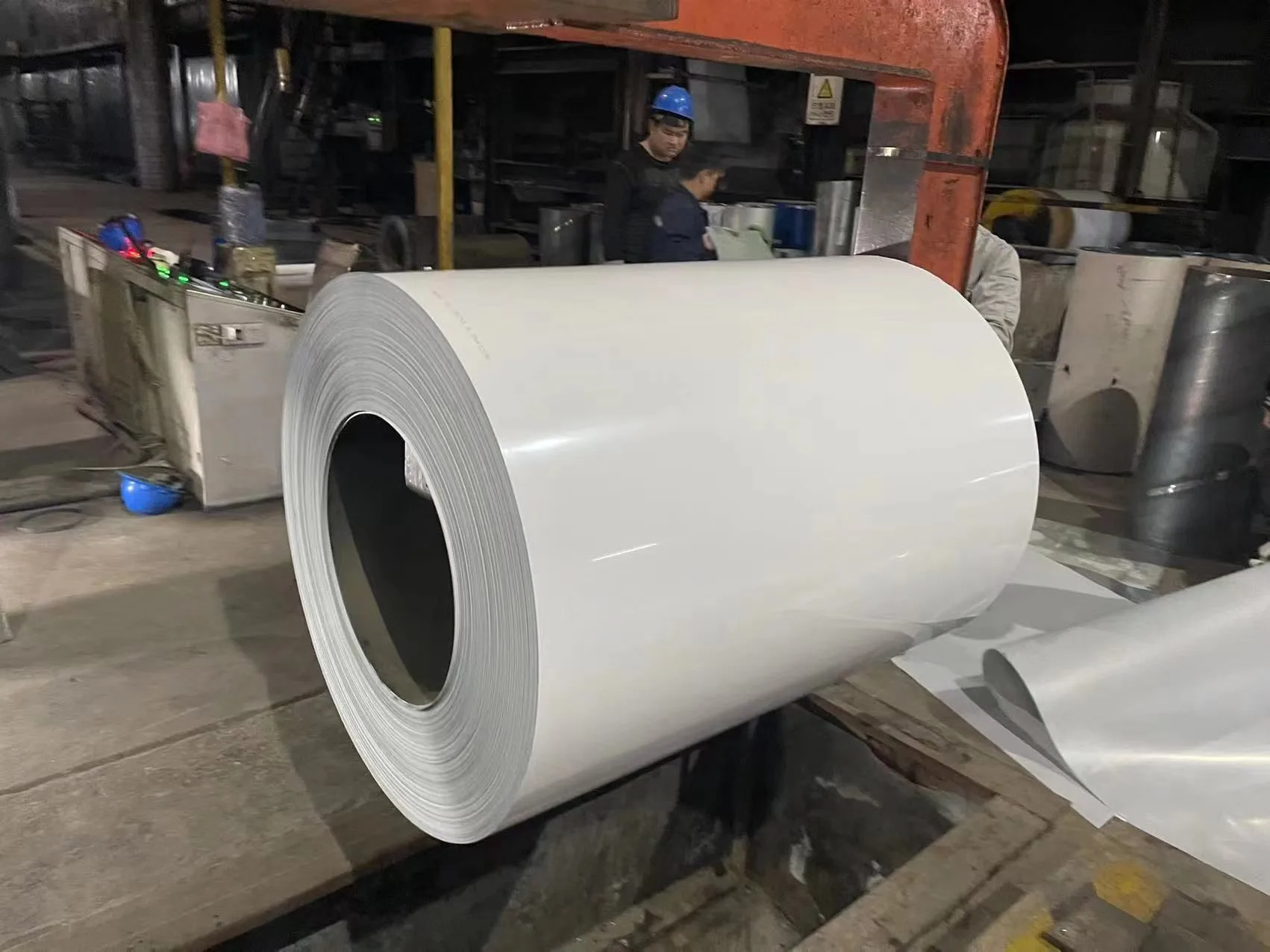
What Is PPGL Steel Coil and Why Is It Used for Durable Roofing and Wall Cladding?
Learn what PPGL steel coil is, how pre-painted Galvalume steel is produced, why aluminum-zinc substrate improves performance, and how to choose PPGL coil for roofing, wall cladding and industrial applications.
PPGL steel coil, also known as pre-painted Galvalume steel coil or pre-painted Aluzinc steel coil, is a color-coated steel product made by applying an organic paint system to a Galvalume or aluminum-zinc coated steel substrate. It is widely used in roofing sheets, wall cladding, building panels, steel structure accessories, sandwich panels and industrial products that require a strong combination of durability, corrosion resistance and attractive appearance.
Compared with ordinary painted steel or some basic galvanized products, PPGL steel coil offers a distinctive advantage: it combines the atmospheric corrosion resistance of aluminum-zinc coated steel with the color flexibility and weather protection of a pre-painted coating system. This makes PPGL especially popular in construction markets where roofing and wall panels must perform under sunlight, rain, humidity and long-term outdoor exposure.
However, PPGL is not a single universal product. Its performance depends on the Galvalume substrate, AZ coating weight, surface pretreatment, primer, top coat, back coat, paint type, color control, forming performance and packaging. Buyers who only compare price and color may overlook the technical details that determine service life.
This original SEO guide explains what PPGL steel coil is, how it is made, where it is used, how it differs from PPGI, and how buyers can select reliable specifications for roofing, cladding and industrial projects.
1. What Is PPGL Steel Coil?
PPGL stands for pre-painted Galvalume steel. It is made by coating a Galvalume steel substrate with primer, top paint and back paint through a continuous color coating process. Galvalume steel itself is a metallic coated steel product with an aluminum-zinc-silicon alloy coating, typically composed of approximately 55% aluminum, 43.4% zinc and 1.6% silicon.
The aluminum-zinc coating provides strong atmospheric corrosion resistance and heat reflectivity, while the paint system adds color, UV resistance, weather protection and surface design flexibility. Because of this layered protection, PPGL steel coil is commonly selected for building envelope materials such as roofing sheets and wall panels.
In international trade, PPGL steel coil may also be called:
- pre-painted Galvalume coil;
- pre-painted Aluzinc steel coil;
- color coated Galvalume coil;
- color coated Aluzinc coil;
- pre-painted GL coil;
- PPGL roofing coil.
Although these names are often used in similar ways, buyers should always confirm the substrate type, AZ coating weight, paint system and application before ordering.
2. The Structure of Pre-Painted Galvalume Steel
PPGL coil is a multi-layer material. Each layer contributes to its final performance, appearance and service life.
| Layer | Main Function | Importance |
|---|---|---|
| Steel substrate | Provides strength, shape and mechanical support | Affects formability, panel strength and dimensional stability. |
| Aluminum-zinc coating | Improves corrosion resistance and heat reflectivity | Forms the metallic protection foundation of PPGL. |
| Pretreatment layer | Enhances paint adhesion and corrosion resistance | Critical for long-term coating performance. |
| Primer | Links substrate and top coat while improving protection | Supports adhesion, flexibility and corrosion resistance. |
| Top coat | Provides color, gloss, UV resistance and weatherability | Determines the visible quality and outdoor performance. |
| Back coat | Protects the reverse side of the sheet | Important for sandwich panels, roofing and condensation-prone areas. |
This layered system explains why PPGL quality cannot be judged by color alone. A reliable PPGL coil must have a suitable substrate, stable metallic coating, proper pretreatment and a paint system matched to the final environment.
Professional note: PPGL performance depends on both the Galvalume substrate and the organic paint coating. If either part is poorly selected, the finished roofing or wall panel may experience fading, corrosion, peeling or reduced service life.
3. How PPGL Steel Coil Is Produced
PPGL steel coil is produced through a continuous color coating process using Galvalume steel coil as the substrate. The process is designed to apply uniform paint layers under controlled temperature, speed and curing conditions.
Main production steps
- Substrate preparation: Galvalume steel coil is selected according to required thickness, width, grade and AZ coating weight.
- Uncoiling: The GL coil is opened and continuously fed into the color coating line.
- Cleaning and degreasing: Surface contaminants are removed to ensure reliable paint adhesion.
- Chemical pretreatment: A conversion layer is applied to improve corrosion resistance and bonding between metal and paint.
- Primer coating: Primer is applied to prepare the surface for the top coating and improve adhesion.
- Primer curing: The strip passes through an oven where the primer is baked and cured.
- Top coating: The front side receives the selected paint system, color and gloss.
- Back coating: The reverse side is coated according to the application requirement.
- Final curing: The paint system is fully cured to achieve hardness, flexibility and durability.
- Cooling and inspection: The strip is cooled and inspected for color, gloss, thickness, adhesion and surface quality.
- Recoiling and packaging: The finished PPGL coil is wound and packed for domestic delivery or export shipment.
Stable coating line control is important because PPGL is often used for visible building surfaces. Poor color uniformity, weak adhesion or inconsistent gloss may become obvious after panels are installed on large roofs or facades.
4. Key Benefits of PPGL Steel Coil
Strong atmospheric corrosion resistance
The Galvalume substrate gives PPGL a strong foundation for outdoor durability. The aluminum-rich coating helps provide barrier protection against atmospheric corrosion, while the paint system adds another protective layer against moisture, UV radiation and pollutants.
Excellent heat reflectivity
Galvalume steel is known for good heat reflectivity. When combined with suitable paint systems, PPGL can be a practical material for roofing in regions with strong sunlight. This does not replace insulation, but it can support better thermal performance in building envelope design.
Attractive color and design flexibility
PPGL can be produced in many colors according to RAL codes or customer-approved samples. Different gloss levels, textures and finishes are available for architectural and industrial needs.
Good durability for roofing and cladding
Because roofing and cladding materials are exposed to rain, sunlight, wind and temperature changes, they require reliable coating performance. PPGL is widely used in these applications because it combines metallic coating durability with paint protection.
Efficient processing
PPGL coil can be roll formed into corrugated sheets, trapezoidal panels, tile profiles, standing seam panels and wall cladding products. Pre-painted coil allows manufacturers to produce finished panels efficiently without painting each part after forming.
Long-term value
Although PPGL may cost more than basic galvanized or some standard color-coated products, it can offer strong lifecycle value when used in suitable outdoor applications. Reduced maintenance, better durability and stable appearance can justify the investment.
5. Common Paint Systems for PPGL
The paint system plays a major role in PPGL performance. Different coatings provide different levels of weather resistance, color retention, chemical resistance and cost efficiency.
| Paint System | Main Features | Suitable Applications |
|---|---|---|
| PE Polyester | Cost-effective, good color range, general durability | General roofing, wall panels and moderate environments |
| SMP Silicone Modified Polyester | Better weather resistance and chalking resistance than standard PE | Outdoor construction panels and roofing |
| HDP High Durable Polyester | Improved UV resistance, color retention and outdoor durability | Long-service roofing, wall cladding and exposed panels |
| PVDF | Excellent weatherability, chemical resistance and color stability | Premium architectural projects and harsh outdoor environments |
For ordinary projects, polyester may be sufficient. For high UV areas, coastal environments or premium building facades, HDP or PVDF coatings may be more appropriate. Buyers should choose based on exposure conditions rather than only initial price.
6. Main Applications of PPGL Steel Coil
Roofing sheets
PPGL is widely used to produce corrugated roofing sheets, trapezoidal roofing panels, metal tile profiles and standing seam roofing systems. Its durability, color options and resistance to atmospheric corrosion make it suitable for residential, commercial, agricultural and industrial buildings.
Wall cladding and facade panels
PPGL is also used for exterior wall panels, facade systems and architectural cladding. The combination of color flexibility and corrosion resistance helps create attractive and durable building envelopes.
Sandwich panels
PPGL can be used as the outer or inner facing of insulated sandwich panels. These panels are common in factories, warehouses, cold rooms, clean rooms and prefabricated buildings.
Steel structure accessories
Ridge caps, flashings, gutters, downspouts, trims and other accessories can be made from PPGL coil. These parts often require good color matching and outdoor durability.
Agricultural and storage buildings
Barns, sheds, livestock shelters, storage buildings and farm facilities often use color-coated steel panels. PPGL can provide a durable and visually clean option for these structures.
Industrial panels and enclosures
PPGL can also be used for equipment covers, industrial panels, storage systems and exterior enclosures where corrosion resistance and appearance are required.
7. PPGL vs PPGI, Galvalume and Galvanized Steel
Understanding the difference between PPGL and related steel products helps buyers select the right material.
| Product | Substrate / Coating | Main Feature | Typical Use |
|---|---|---|---|
| Galvanized steel coil | Zinc-coated steel | Good sacrificial corrosion protection | Ducts, structures, fabrication and base material |
| Galvalume steel coil | Aluminum-zinc coated steel | Excellent atmospheric resistance and heat reflectivity | Roofing, wall panels and construction materials |
| PPGI steel coil | Pre-painted galvanized steel | Color coating plus zinc-based protection | Roofing, appliances, wall panels and decorative sheets |
| PPGL steel coil | Pre-painted Galvalume steel | Paint system plus aluminum-zinc substrate performance | Durable roofing, cladding and exterior panels |
The main difference between PPGL and PPGI is the substrate. PPGI uses galvanized steel, while PPGL uses Galvalume or Aluzinc steel. PPGL often performs well in atmospheric exposure and heat-reflective roofing applications, while PPGI may offer stronger cut-edge sacrificial protection because of the zinc-based substrate. The better choice depends on project environment, panel design, budget and coating system.
8. Common Standards and Specifications
PPGL specifications can involve several standards, including standards for the Galvalume substrate, paint coating, testing methods and color control. Depending on the market, buyers may refer to ASTM, EN, JIS, AS or GB standards.
Important specification details include:
- Substrate standard: such as ASTM A792, EN 10346, AS 1397 or JIS G3321 for aluminum-zinc coated steel.
- Steel grade: forming grade or structural grade depending on the final application.
- AZ coating weight: such as AZ70, AZ100, AZ150 or AZ185.
- Paint system: PE, SMP, HDP, PVDF or customized coating system.
- Top coat thickness: selected according to durability, appearance and project requirement.
- Back coat thickness: defined according to panel design and reverse-side exposure.
- Color and gloss: RAL code, customer sample and gloss level.
- Dimensions: thickness, width, coil weight and inner diameter.
- Packaging: standard export packing or reinforced sea-worthy packing.
Practical buying tip: A complete PPGL specification should include substrate grade, AZ coating weight, paint system, coating thickness, color code, gloss level, dimensions, coil weight, packaging and final application.
9. How to Judge PPGL Coil Quality
PPGL quality should be evaluated by technical performance, visual appearance, processing behavior and documentation.
Substrate quality
The Galvalume substrate should have stable thickness, proper mechanical properties, good flatness and uniform AZ coating. Poor substrate quality may cause forming problems and reduce product life.
Paint adhesion
Adhesion is critical because PPGL is frequently roll formed into roofing and wall profiles. Poor adhesion can lead to cracking, peeling or paint damage during fabrication.
Color consistency
Large roofs and wall surfaces require consistent color between coils and batches. Buyers should confirm color tolerance and batch control before ordering.
Coating thickness
Top coat, primer and back coat thickness should match the agreed specification. Insufficient coating thickness may reduce durability, while excessive or uneven coating may affect appearance and forming.
Surface defects
The surface should be free from serious scratches, stains, bubbles, pinholes, roll marks, color bands and coating defects. For architectural projects, visible defects can create major quality complaints after installation.
Weather resistance
For outdoor applications, the selected paint system should resist UV radiation, chalking, fading and environmental pollutants. HDP or PVDF coatings are often selected for higher-performance requirements.
Packaging and transport protection
PPGL coils are sensitive to moisture and surface abrasion. Export packaging should protect the coil from water, impact, edge damage and handling stress during sea shipment.
10. Buying Guide for Global Buyers
Before purchasing PPGL steel coil, buyers should define how and where the material will be used. A roofing project in a dry inland region may need a different specification from a coastal project with strong UV exposure and high humidity.
| Buying Item | What to Confirm |
|---|---|
| Application | Roofing, cladding, sandwich panel, accessories, facade panel or industrial enclosure. |
| Substrate | Galvalume steel grade, AZ coating weight and mechanical properties. |
| Paint system | PE, SMP, HDP, PVDF or customized coating based on exposure conditions. |
| Coating thickness | Primer, top coat and back coat thickness with testing requirements. |
| Color and gloss | RAL code, approved sample, gloss level and color tolerance. |
| Dimensions | Thickness, width, coil weight, inner diameter and tolerance. |
| Forming method | Corrugating, roll forming, bending, slitting or cutting requirements. |
| Documents | Mill test certificate, coating report, color test, adhesion test and inspection photos. |
| Packaging | Export packing, moisture protection, edge protection and shipping arrangement. |
A professional PPGL coil supplier should help buyers match material specifications with climate, building type, processing method and expected service life. Price is important, but it should never replace technical selection.
11. Storage and Handling Tips
Correct storage and handling help preserve PPGL quality before fabrication and installation.
- Store coils in a dry, clean and ventilated warehouse.
- Keep coils away from rain, condensation and wet floors.
- Do not open packaging until the material is ready for processing.
- Use suitable lifting equipment to avoid edge damage.
- Avoid dragging sheets or panels across each other.
- Protect painted surfaces from scratches during roll forming and transport.
- Process opened coils quickly to reduce moisture exposure.
- Avoid contact with cement dust, strong alkalis, acids and aggressive chemicals.
During sea shipment, moisture and temperature changes may create condensation inside packaging. Good export packing, proper warehouse management and timely inspection are important for international orders.
12. Common Problems and How to Avoid Them
Color fading
Fading may occur when the paint system is not suitable for high UV exposure. Buyers should consider HDP or PVDF coatings for demanding outdoor environments.
Paint peeling during forming
This can result from poor pretreatment, weak primer, unsuitable paint flexibility or excessive bending. T-bend and adhesion tests help evaluate forming performance.
Color difference between coils
Large building projects should control color batches carefully. Approved samples and clear color tolerance can reduce installation disputes.
Edge corrosion
Cut edges may behave differently depending on substrate, coating and environment. Proper panel design, drainage and installation can reduce edge corrosion risks.
Surface scratches
Scratches can happen during slitting, roll forming, transportation or installation. Proper equipment maintenance, handling methods and protective film may be needed for premium surfaces.
13. Frequently Asked Questions About PPGL Steel Coil
What does PPGL mean?
PPGL means pre-painted Galvalume steel. It is a color-coated steel product made from a Galvalume or aluminum-zinc coated steel substrate with primer, top coat and back coat.
Is PPGL suitable for roofing?
Yes. PPGL is widely used for roofing sheets, corrugated panels, trapezoidal panels and standing seam roofing systems. It is especially valued for outdoor durability and color-coated appearance.
What is the difference between PPGL and PPGI?
PPGI uses galvanized steel as the substrate, while PPGL uses Galvalume or Aluzinc steel. PPGL often offers strong atmospheric corrosion resistance and heat reflectivity, while PPGI may provide stronger zinc-based cut-edge protection.
Which paint system is best for PPGL?
The best paint system depends on the project. PE is suitable for general use, SMP and HDP offer better outdoor durability, and PVDF is commonly used for premium architectural and harsh environment applications.
Can PPGL be customized by color?
Yes. PPGL can be produced according to RAL color codes or approved customer samples. Color tolerance and batch control should be confirmed for large projects.
What does AZ150 mean for PPGL substrate?
AZ150 means the Galvalume substrate has a total aluminum-zinc coating mass of approximately 150 g/m² on both sides. It is a common coating weight for roofing and wall panel applications.
How long does PPGL steel coil last?
The service life depends on substrate coating weight, paint system, climate, installation quality and maintenance. Properly selected PPGL can provide long-term performance in suitable outdoor applications.
What should buyers provide when requesting a PPGL quotation?
Buyers should provide thickness, width, steel grade, AZ coating weight, paint type, coating thickness, color code, gloss, coil weight, application, quantity and packaging requirements.
Conclusion: Selecting PPGL Steel Coil for Reliable Building Performance
PPGL steel coil is a high-value color-coated steel product that combines the performance of Galvalume steel with the visual and protective benefits of an organic paint system. It is especially suitable for roofing, wall cladding, sandwich panels, building accessories and exterior industrial panels where durability and appearance are both important.
The strength of PPGL comes from its layered structure: steel substrate for mechanical support, aluminum-zinc coating for corrosion resistance and heat reflectivity, pretreatment and primer for adhesion, and top coat for color and weather protection. When these layers are properly designed and manufactured, PPGL can provide reliable long-term performance in many construction environments.
For buyers, the most important step is to match the specification to the actual application. Substrate grade, AZ coating weight, paint system, coating thickness, color tolerance, forming requirements, packaging and climate exposure should all be confirmed before ordering.
By working with a professional PPGL steel coil supplier and focusing on complete specifications rather than price alone, buyers can reduce quality risks, improve building material performance and achieve better long-term value in roofing and cladding projects.
Need PPGL Steel Coil for Roofing, Wall Cladding or Building Panels?
Before ordering, confirm your Galvalume substrate, AZ coating weight, paint system, color code, coating thickness, dimensions, packaging and final application. A professional PPGL coil supplier can help you choose the right specification for reliable processing, durable appearance and long-term project value.