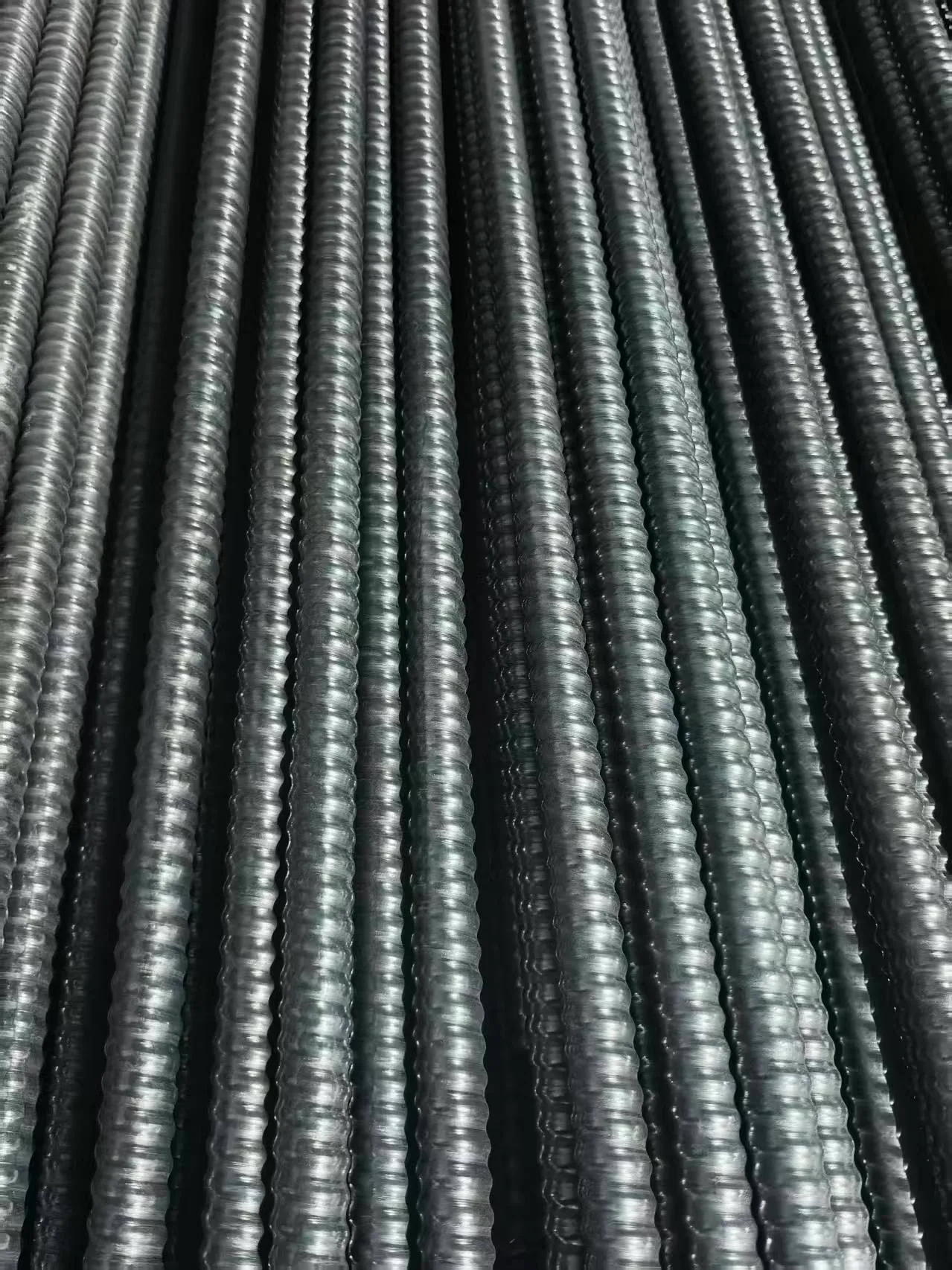
Self-Drilling Micropile Hollow Bar Anchor for Foundation Underpinning
Self-drilling micropile hollow bar anchor for foundation underpinning and restricted-access piling, typically using R51 or T76 hollow bars with grout injection.
| System Type | Self-drilling micropile hollow bar anchor |
| Common Bar Sizes | R51 and T76 for higher-load micropile-style support |
| Typical R51 Capacity | About 450-730 kN yield and 550-930 kN ultimate depending on variant |
| Typical T76 Capacity | About 1200-1500 kN yield and 1600-1900 kN ultimate depending on variant |
| Grout Method | Cement grout injected through hollow core during or after drilling |
| Main Use | Underpinning, restricted-access piling, foundation strengthening, weak ground support |
| Accessories | Heavy drill bit, coupler, nut, bearing plate or pile head detail |
| Design Note | Final pile capacity depends on ground bond, grout body and structural connection |
Self-drilling micropile hollow bar anchor for foundation underpinning, restricted-access piling, weak ground improvement and high-load support using R51 or T76 systems.
Product Overview
Self-drilling micropile hollow bars are used where small-diameter foundation support is needed and conventional casing or large piling equipment is difficult to use. The hollow bar drills and remains as the reinforcement.
R51 and T76 systems are common choices for micropile-style applications because they provide higher tensile or compressive capacity and larger grout bodies than smaller anchor bars.
This product is suitable for underpinning, foundation strengthening, retaining structure support and weak ground improvement when designed by a qualified geotechnical engineer.

Technical Specifications
| System Type | Self-drilling micropile hollow bar anchor |
|---|---|
| Common Bar Sizes | R51 and T76 for higher-load micropile-style support |
| Typical R51 Capacity | About 450-730 kN yield and 550-930 kN ultimate depending on variant |
| Typical T76 Capacity | About 1200-1500 kN yield and 1600-1900 kN ultimate depending on variant |
| Grout Method | Cement grout injected through hollow core during or after drilling |
| Main Use | Underpinning, restricted-access piling, foundation strengthening, weak ground support |
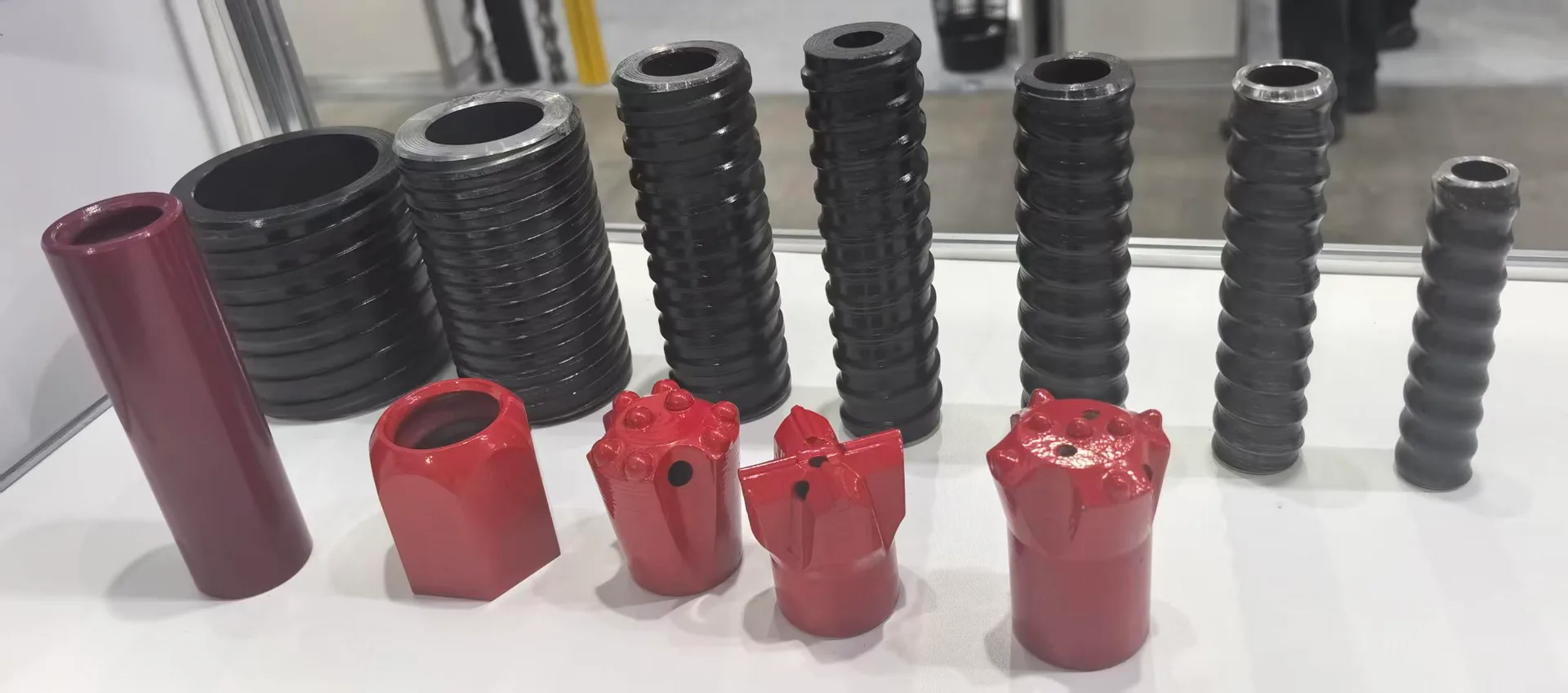
| Accessories | Heavy drill bit, coupler, nut, bearing plate or pile head detail |
| Design Note | Final pile capacity depends on ground bond, grout body and structural connection |
Product Image Gallery
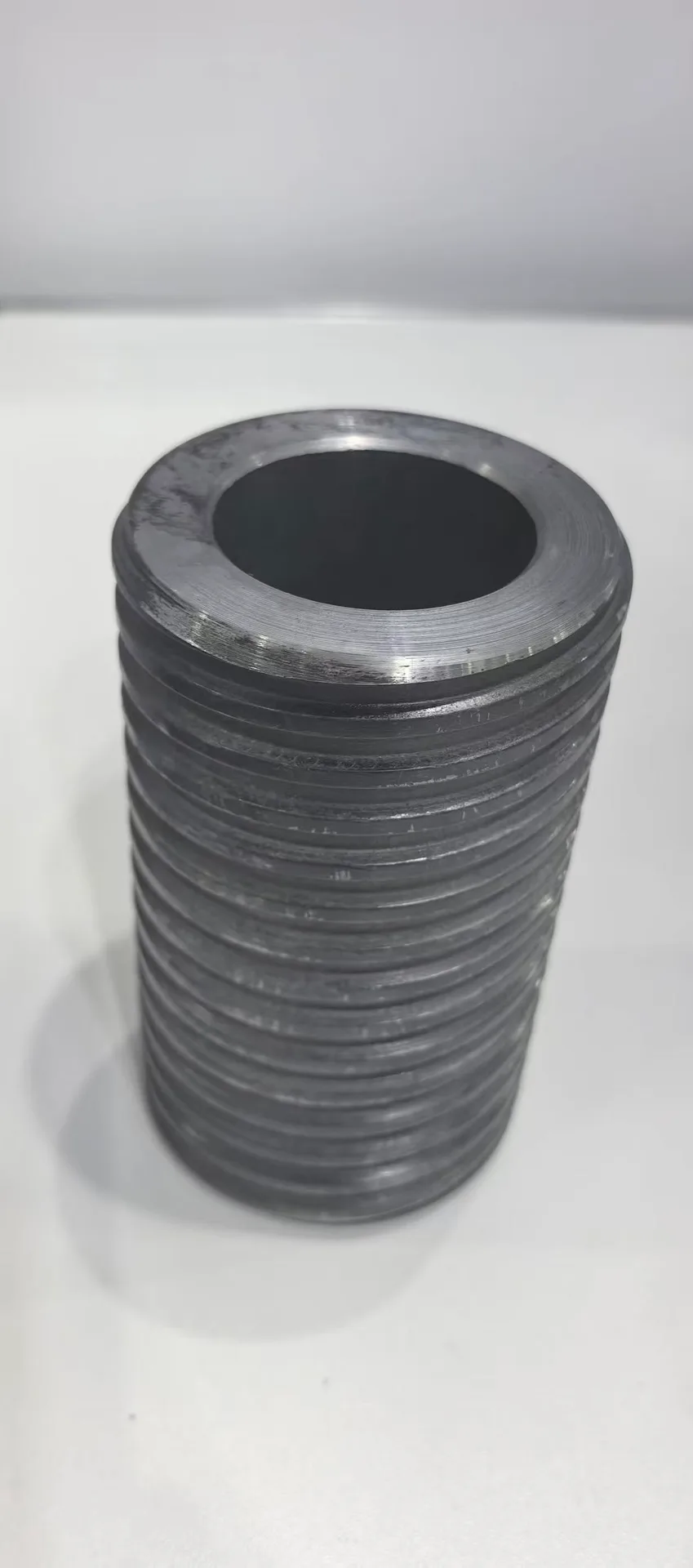
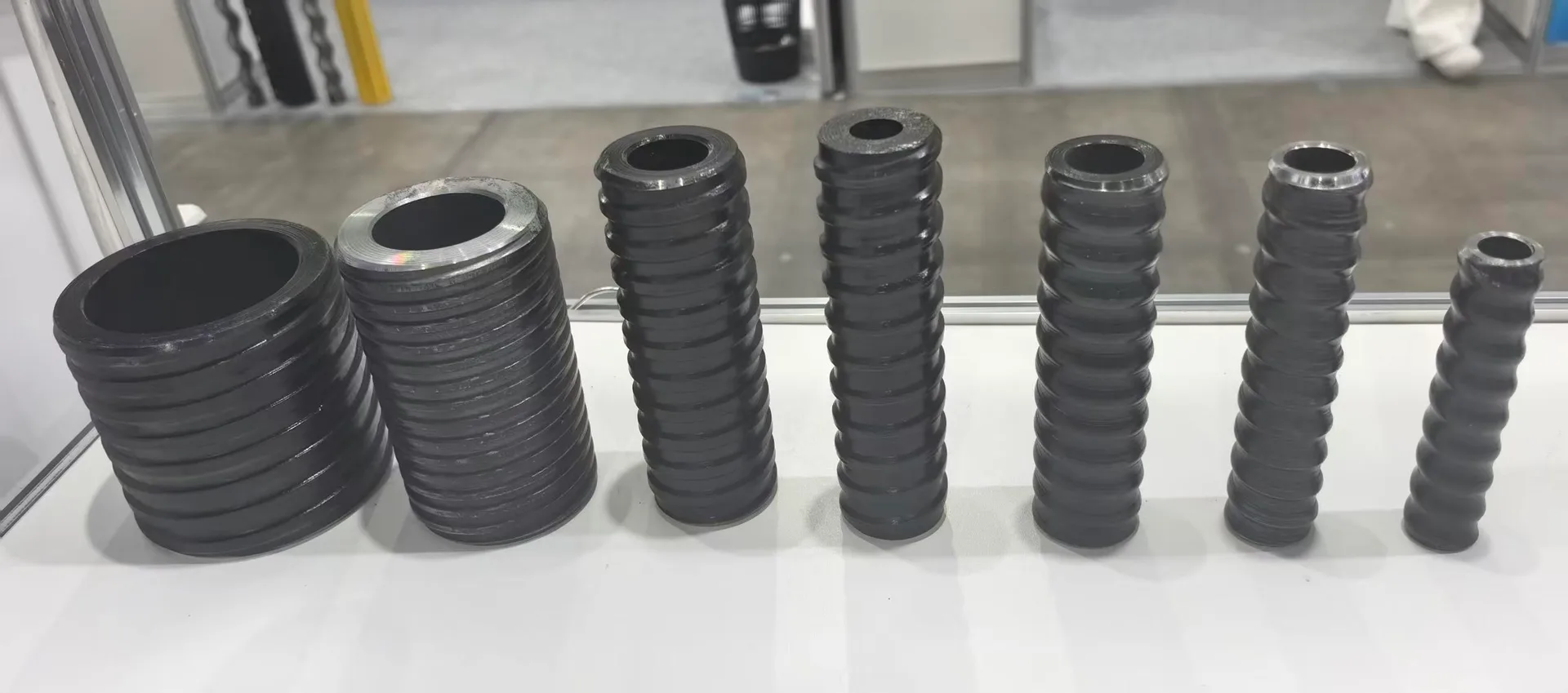
Real images from the current Self Drilling Anchor media group, used to show bar body, thread profile, hollow grouting rod and accessory details.
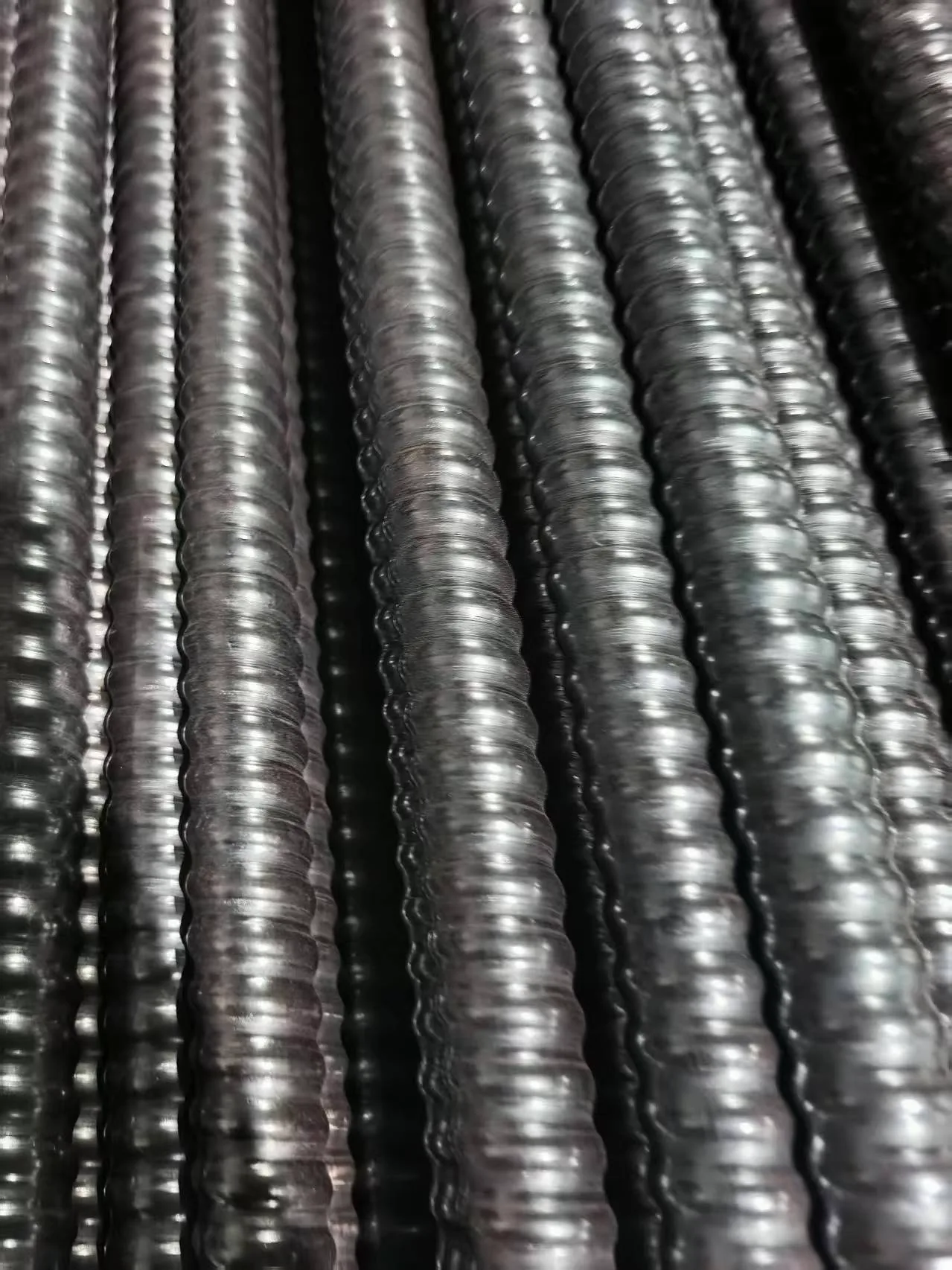
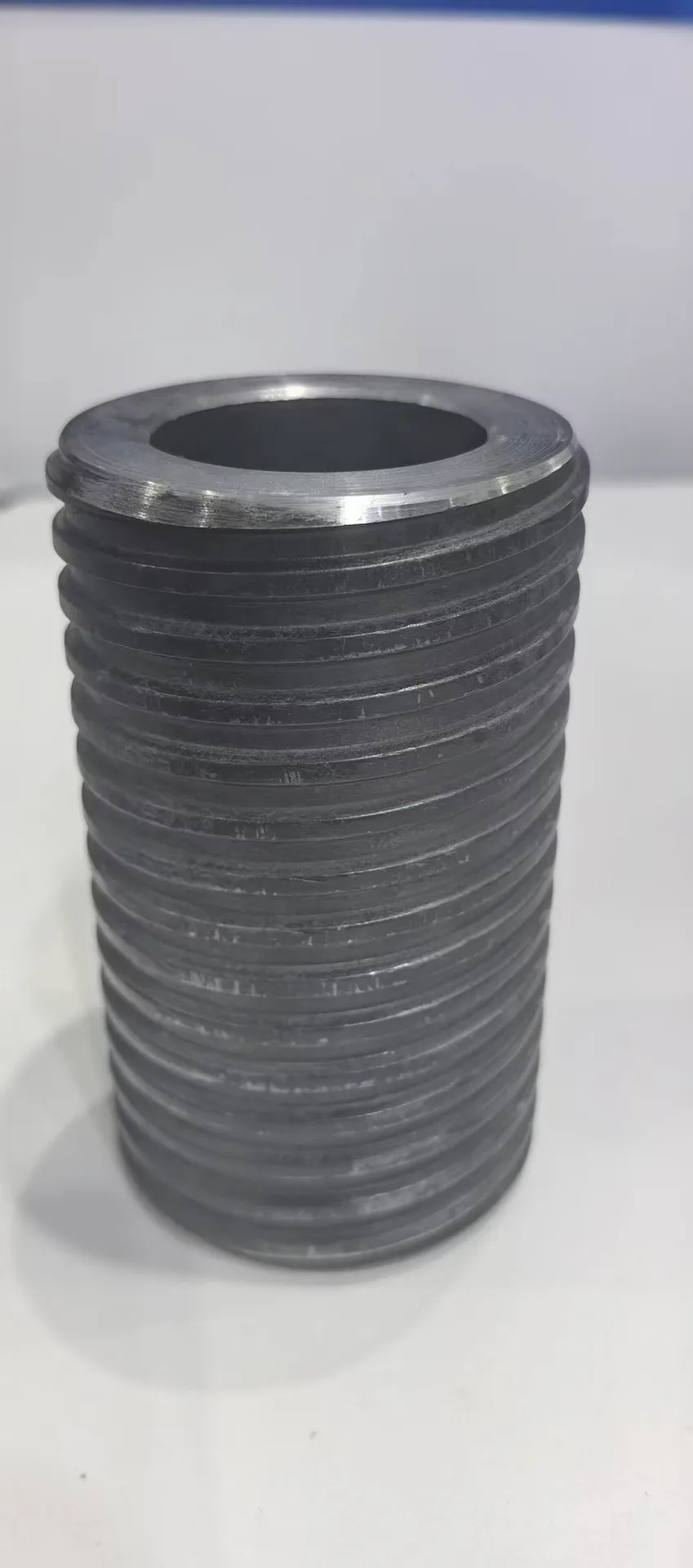
Applications and Real Ground Conditions
Foundation underpinning
Supports existing foundations where additional load transfer is required.
Restricted-access piling
Useful where large piling rigs cannot enter the site.
Retaining structures
Can support excavation and retaining works when designed as hollow bar micropiles.
Weak ground improvement
Grouted hollow bars can reinforce soft or fractured ground zones.
Performance Advantages
No casing in many conditions
Self-drilling installation reduces dependence on stable open boreholes.
High load options
R51 and T76 systems cover heavier load requirements than standard soil nails.
Efficient grout delivery
The hollow core provides a direct grout path to the pile body.
Flexible site installation
Couplers allow staged installation in basements, slopes and tight work areas.
Selection Guide
Choose self-drilling micropile hollow bars when design requires small-diameter foundation support and jobsite conditions make conventional piling difficult.
| R51 systems | Moderate to heavy micropile-style support and underpinning. |
|---|---|
| T76 systems | High-capacity hollow bar micropiles and major ground support. |
| Pile head | Confirm plate, nut, bearing detail or structural connection with the engineer. |
| Testing | Project may require proof testing, grout records and installation logs. |
Quality Control and Installation Checks
Material verification
Confirm nominal diameter, internal diameter, wall thickness, weight, yield load and ultimate load against the order specification and mill certificate.
Thread and coupler fit
Check thread profile, coupler engagement, nut fit and bearing plate compatibility before dispatch.
Grouting records
On site, record grout mix, pressure, volume, return flow and curing time because bond quality controls final anchor performance.
Installation traceability
Track installed length, drilling depth, bit diameter, coupler quantity and anchor location for each support point.
Export Packing and Matched Accessories
Matched system supply
Bars can ship with sacrificial drill bits, couplers, nuts, bearing plates and centralizers according to the bill of materials.
Export bundles
Bundles are prepared for container loading, sea freight and jobsite handling.
Length options
Standard and project-specific lengths can be supplied; couplers support staged installation in restricted work areas.
Documents
Packing list, commercial invoice, mill test certificate and inspection records can be prepared according to order terms.
Why Choose SunSea Steel
- Real anchor product images from the current media library, not placeholder stock images.
- Specification-based quotation covering bar, drill bit, coupler, nut, plate and centralizer.
- Support for R25, R32, R38, R51, T76 and project-specific hollow bar systems.
- Export-oriented packing and documentation for international ground engineering buyers.
- Professional communication around design load, ground condition, grout plan and installation method.
- Contact-ready CTA with email and WhatsApp template variables.
Frequently Asked Questions
What is self-drilling micropile hollow bar anchor used for?
It is used for foundation underpinning, restricted-access piling, retaining structures and weak ground improvement where hollow bar micropiles are designed.
How does a self-drilling anchor work?
The hollow threaded bar acts as the drill string during installation. Cement grout is pumped through the hollow core and the same bar remains in the ground as the reinforcement tendon.
Why use a hollow bar instead of a conventional solid bar anchor?
A hollow bar system reduces the need for a stable open borehole before tendon insertion, which is useful in loose soil, fractured rock, fill and water-bearing ground.
What load information should be checked?
R51 systems commonly cover medium-heavy support, while T76 systems can provide high-capacity reference values up to about 1500 kN yield and 1900 kN ultimate depending on variant.
How should the correct anchor size be selected?
Selection depends on design load, pile length, ground bond, grout body, drilling equipment, pile head connection and corrosion protection.
Which accessories are normally required?
A complete system normally includes sacrificial drill bit, coupler, nut, bearing plate and centralizer matched to the bar thread.
Can the product be used for permanent works?
Permanent works require project-specified corrosion protection, full grout cover and inspection records. Hot-dip galvanizing or other coatings can be discussed when required.
What information is needed for quotation?
Send bar size, length, quantity, design load, ground condition, drill bit type, plate size, corrosion protection requirement and destination port.
Request Technical Support and Quotation
Send anchor size, length, quantity, design load, ground condition, drill bit type, plate size, corrosion requirement and destination port. We will match the bar, bit, coupler, nut, plate and centralizer as a complete self-drilling anchor system.