Galvalume Steel Coil: Comprehensive Guide, Benefits, and Selection Criteria
In‑depth guide covering advantages, specifications, applications, and selection tips for Galvalume (Aluzinc) steel coil.
Galvalume (GL) Steel Coil: Comprehensive Guide, Benefits, and Selection Criteria
In‑depth guide covering advantages, specifications, applications, and selection tips for Galvalume (Aluzinc) steel coil.
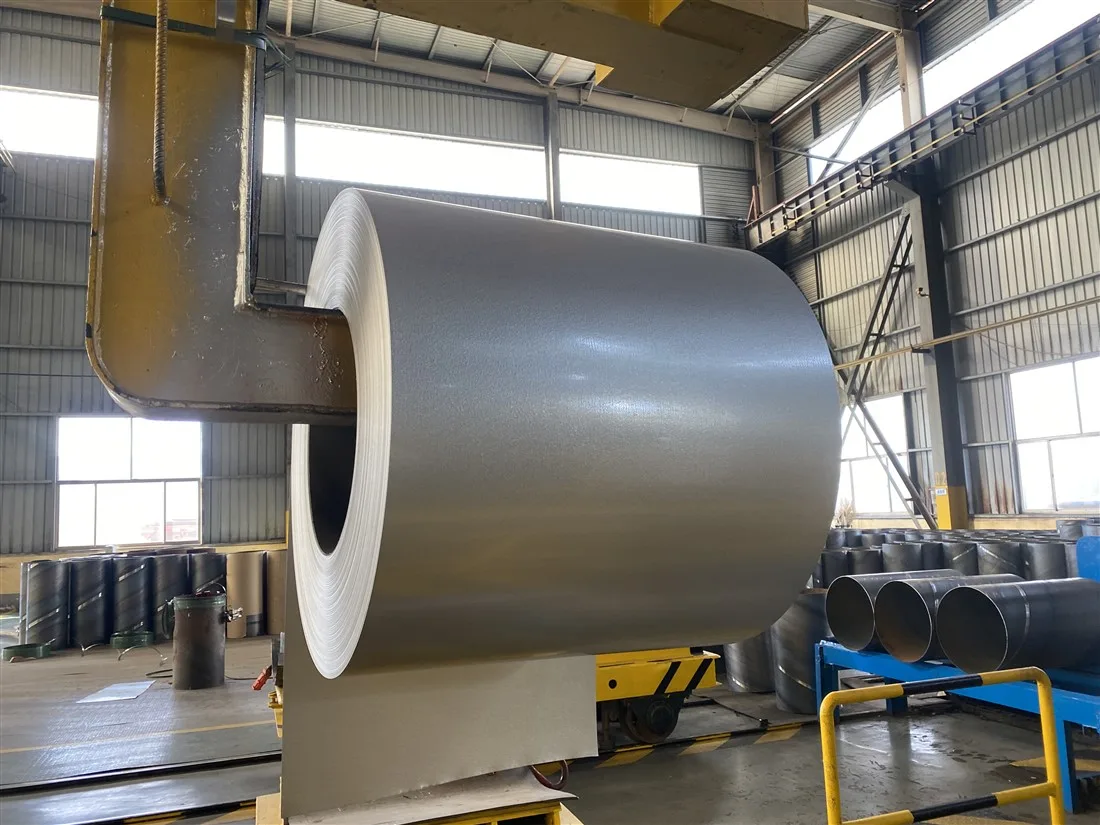
Galvalume (GL), also known as Aluzinc, is a steel coil coated with an alloy of ~55% Al, 43.5% Zn, and 1.5% Si. This composition delivers superior corrosion resistance, especially in coastal and industrial environments.
Below we explore its benefits, typical applications, technical specifications, and how to select the right product for your project.
Key Advantages Over Traditional Galvanized (GI) Coil
- Corrosion resistance: 5‑10 years without repainting, 2‑3× longer than GI.
- Temperature tolerance: Effective up to ~200 °C.
- Lightweight: Aluminum reduces overall weight.
- Excellent paintability: Ideal for pre‑painted roofing and panels.
Typical Applications
- Roofing and wall cladding for residential, commercial, and industrial buildings.
- HVAC ducts, ventilation systems, and exhaust hoods.
- Automotive body panels and chassis components.
- Cold‑rolled product lines and fabricated structural parts.
- Elevator shafts and fire‑resistant construction.
Technical Specification Guide
| Parameter | Typical Range | Recommended For |
|---|---|---|
| Coating Weight (g/m²) | 45‑85 | High‑corrosion environments (coastal, industrial) |
| Yield Strength (MPa) | 210‑275 | Formability for roofing, panels |
| Width (mm) | 1000‑1220 | Standard production lines |
| Thickness (µm) | 0.20‑0.40 | General construction |
| Surface Finish | Hot‑dip, cold‑rolled | Depends on downstream processing |
How to Choose the Right GL Coil
- Environment exposure: Coastal or high‑humidity areas benefit from heavier coating weights.
- Mechanical requirements: Ensure yield strength matches forming or bending needs.
- Width & thickness: Align with equipment capabilities and project specs.
- Surface finish: Hot‑dip for better corrosion; cold‑rolled for smoother paint finish.
- Regulatory standards: Verify compliance with local building codes (ASTM A123, EN 10346).
Case Study: Coastal Residential Roofing
A project in Shenzhen used 5 mm GL coil with a 70 g/m² coating weight. After 7 years the roof retained its appearance with no visible corrosion, outperforming comparable GI‑coated roofs that required repainting after 3 years.
Key Takeaways
- Al‑Zn coating provides 2‑3× longer corrosion life than pure Zn.
- Choose coating weight based on environment severity.
- GL coil works well with pre‑painting processes.
- Comply with ASTM A123 or EN 10346 for guaranteed performance.
"Galvalume is the go‑to solution for projects demanding high durability, low maintenance, and excellent paintability." – SunSea Steel Technical Team
Manufacturing Process
GL coils are produced via a hot‑dip process where steel strip passes through a molten Al‑Zn‑Si bath. The alloy adheres uniformly, forming a metallurgical bond that resists peeling and flaking.
Key steps include pre‑cleaning, annealing, dipping, cooling, and surface inspection. Quality control checks – coating thickness, adhesion, and uniformity – ensure each coil meets the specified standards.
Environmental Benefits
- Longer service life reduces material replacement cycles, saving resources.
- Lower maintenance means fewer paint and solvent applications, decreasing VOC emissions.
- Aluminum content is recyclable, contributing to circular‑economy goals.
FAQ
Is Galvalume suitable for coastal environments?
Yes. The Al‑Zn alloy offers superior resistance to seawater corrosion; a coating weight of 70‑85 g/m² is recommended for high‑salinity areas.
Can GL coil be painted directly?
Absolutely. Its surface provides excellent adhesion for both organic and powder coatings, making it ideal for pre‑painted roofing panels.
What standards govern GL coil production?
Common standards include ASTM A123, EN 10346, and JIS G3141. Verify the certification before procurement.
How does GL compare cost‑wise to plain GI?
Initial material cost is slightly higher (≈5‑10 %); however, the extended lifespan and reduced repainting significantly lower total ownership cost.
Need Technical Data or Samples?
Contact our sales engineers for detailed specifications or to request a sample.