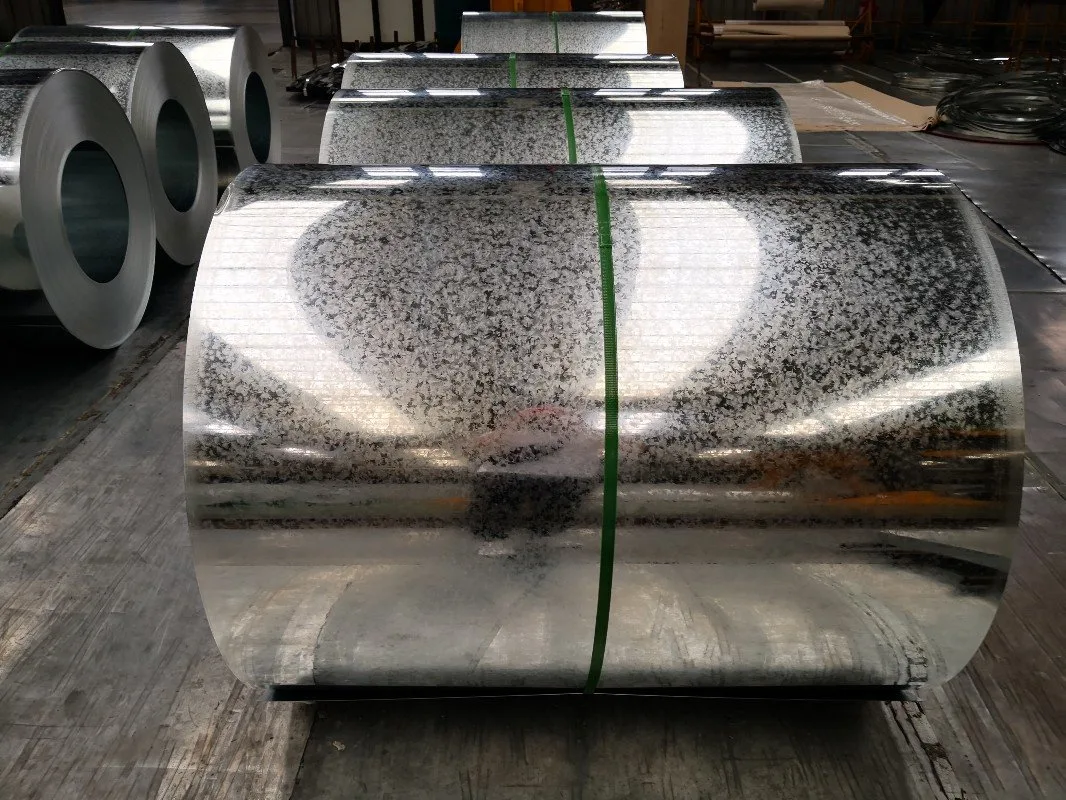
गैल्वेनाइज्ड स्टील कॉइल क्या है और ज़िंक कोटिंग, पैसेवेशन, क्रोमेटिंग, एंटी-फिंगरप्रिंट और तेल भार गुणवत्ता को कैसे प्रभावित करते हैं?
गैल्वेनाइज्ड स्टील कॉइल (GI) के लिए तकनीकी गाइड: G90/Z275 कोटिंग मास, पैसेवेशन, क्रोमेटिंग, एंटी-फिंगरप्रिंट, तेल भार, और स्ट्रिप व शीट पर गुणवत्ता दोष।
गैल्वेनाइज्ड स्टील कोइल (GI) निर्माण, HVAC, उपकरण और हल्की फाब्रिकेशन आपूर्ति श्रृंखलाओं के लिए मुख्य सब्सट्रेट बना हुआ है। जब खरीदार ASTM A653/A653M, EN 10346 (DX51D+Z, S280GD+Z, S350GD+Z), या JIS G3302 (SGCC/SGC) के तहत ज़िंक-कोटेड कोइल की तलाश करते हैं, तो असली निर्णय कभी भी "ज़िंक या न ज़िंक" नहीं होता है। यह निर्णय होता है कि कोटिंग मास, सर्फेस ट्रीटमेंट, ऑयल फ़िल्म, स्पैंगल, और मैकेनिकल ग्रेड — क्या ये सभी फॉर्मिंग तीव्रता और एक्सपोज़र क्लास के अनुरूप हैं या नहीं।
यह लेख बताता है कि निरंतर हॉट-डिप गैल्वेनाइज्ड कोइल कैसे बनती है, G/Z कोटिंग नामकरण का वास्तव में क्या अर्थ होता है, पैसिवेशन, क्रोमेटिंग, एंटी-फिंगरप्रिंट फिल्म, और ऑयल कोटिंग वजन लॉजिस्टिक्स और फाब्रिकेशन परिणामों को कैसे बदलते हैं, और GI स्ट्रिप, फ्लैट शीट, और डाउनस्ट्रीम पैनलों पर सबसे अधिक दिखाई देने वाले गुणवत्ता दोष कौन से हैं — और उनका सामान्य मूल कारण क्या है।

गैल्वेनाइज्ड स्टील कोइल क्या है और ज़िंक स्टील की रक्षा कैसे करता है?
निरंतर गैल्वेनाइज्ड शीट कोल्ड-रोल्ड स्ट्रिप को साफ़ करके एनील करते हैं, फिर उसे पिघले हुए ज़िंक स्नान में डुबोया जाता है। एयर नाइफ़ लिक्विड ज़िंक को ऑर्डर किया गया कोटिंग मास तक नियंत्रित करते हैं ठोस होने से पहले। बैच गैल्वेनाइजिंग के विपरीत जिसके बाद फaब्रिकेशन किया जाता है, निरंतर GI को कोटिंग के बाद फॉर्म करने के लिए डिज़ाइन किया गया है, इसलिए कोटिंग संरचना में प्रमुख रूप से मुक्त ज़िंक (एटा चरण) होता है जिसके साथ स्टील इंटरफ़ेस पर नियंत्रित पतली अलॉय परत होती है।
ज़िंक स्टील की दो पूरक तरीकों से रक्षा करता है:
- बाधा सुरक्षा — एक निरंतर धात्विक फ़िल्म सब्सट्रेट को नमी और ऑक्सीजन से अलग रखती है।
- कैथोडिक (बलिदान) सुरक्षा — खुरों, कटे हुए किनारों, और फॉर्मिंग दरारों पर ज़िंक प्राथमिकता से जंग खाता है और उजागर स्टील पर लाल जंग को देरी करता है।
किसी दी गई वायुमंडल में कोटिंग जीवन प्रमुख रूप से कोटिंग मोटाई (कोटिंग मास) के समानुपाती होता है। इसलिए G90/Z275 सामान्य बाहरी स्थितियों में G60/Z180 की तुलना में अधिक दिन तक चलती है, जब पैकेजिंग, डिज़ाइन विवरण, और रखरखाव समान हों।
G90, Z275 और अन्य GI कोटिंग निर्देशांक क्या दर्शाते हैं?
ASTM A653 में कुल कोटिंग भार (दोनों ओर) के लिए inch-pound इकाइयों में G निर्देशांक और SI इकाइयों में Z निर्देशांक का उपयोग होता है (A924/A924M के तहत ट्रिपल-स्पॉट परीक्षण आधार)। रूपांतरण लगभग है:
1.00 oz/ft² ≈ 305 g/m²। इसलिए G90 ≈ Z275, G60 ≈ Z180, और G40 ≈ Z120।
| निर्देशांक | न्यूनतम ट्रिपल-स्पॉट (दोनों ओर) | यदि समान रूप से वितरित किया जाए तो अनुमानित मोटाई | सामान्य उपयोग |
|---|---|---|---|
| G30 / Z90 | 0.30 औंस/फी² / ~90 ग्राम/मी² | ~7–8 µm/साइड क्लास | इनडोर, अल्पजीवी, या भारी पेंट की जाने वाली प्रणालियाँ |
| G40 / Z120 | 0.40 औंस/फी² / ~120 ग्राम/मी² | ~8–10 µm/साइड क्लास | हल्के बाहरी / सामान्य फॉर्मिंग |
| G60 / Z180 | 0.60 औंस/पी² / ~180 ग्रॅ/मी² | ~13 माइक्रोमीटर/साइड क्लास | सामान्य निर्माण आधार |
| G90 / Z275 | 0.90 औंस/पी² / ~275 ग्रॅ/मी² | ~19–21 माइक्रोमीटर/साइड क्लास | बाहरी पैनल, छत सबस्ट्रेट, संरचनात्मक शीट |
| G115+ / Z350+ | 1.15 औंस/वर्ग फुट / ~350 ग्राम/वर्ग मीटर+ | भारी जस्ता | आक्रामक जलवायु या लंबे डिज़ाइन जीवन |
एक G90 लेप दोनों ओर वितरित होने पर शीट मोटाई में लगभग 1.6 मिल (~40–42 µm कुल) जोड़ता है। चूंकि लेप तरफ-दर-तरफ या किनारे-से-केंद्र तक पूरी तरह समान नहीं होता, खरीद आदेशों को मानक नामांकन उल्लेखित करना चाहिए और स्थानीय मोटाई पैमाने के रीडिंग पर ही निर्भर रहने के बजाय लेप-द्रव्य सत्यापन का अनुरोध करना चाहिए।
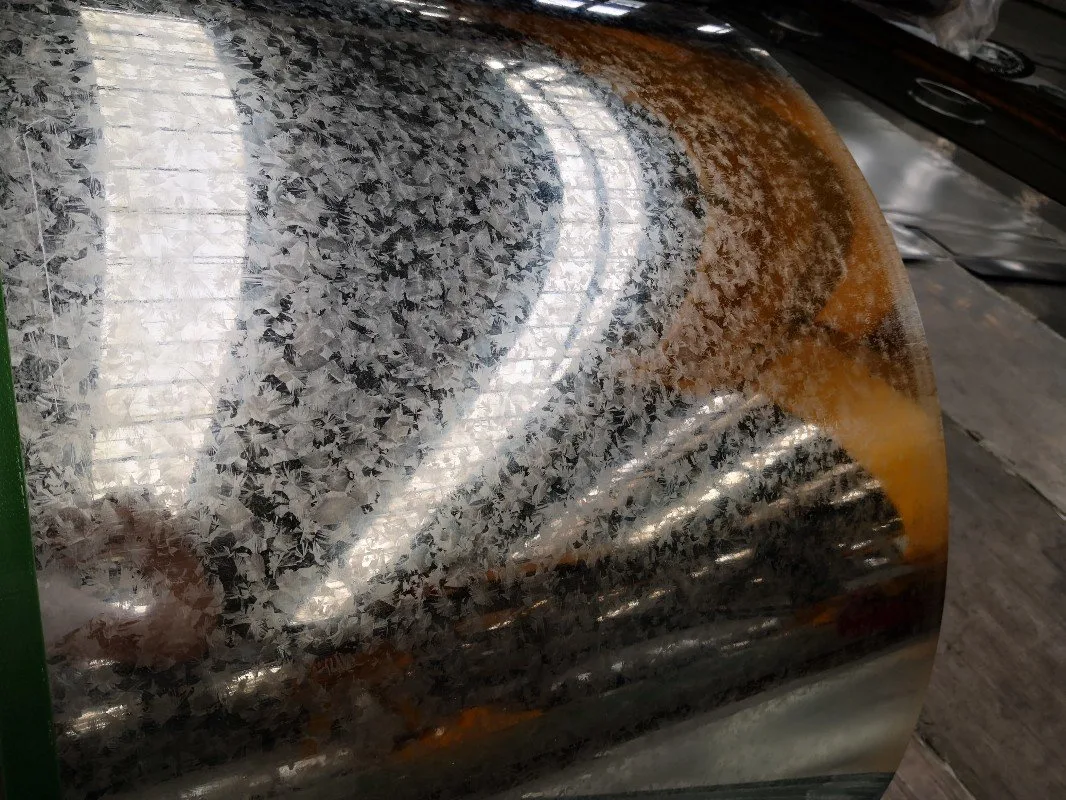
GI कोइल को स्ट्रिप, शीट और इमारत उत्पादों में कैसे परिवर्तित किया जाता है?
शीर्षित स्ट्रिप
मदर कोइल्स पर्सलिन, स्टड्स, डक्ट्स, केबल ट्रेज, ट्यूबिंग और रोल-फ़ॉर्मिंग फ़ीड के लिए शीर्षित की जाती हैं। किनारे का बर, कैम्बर और चौड़ाई सहनशीलता स्क्रैप दर और उपकरण आयु को नियंत्रित करती हैं। भारी बरर पैकेजिंग पेपर को काटते हैं, तेल हटाते हैं, और प्रारंभिक किनारा संक्षारण बीजारूप बनाते हैं।
काट-तो-लंबाई शीट / प्लेट ब्लैंक
CTL लाइनें क्लैडिंग, एनक्लोजर, कृषि उपकरण और आगे की स्टैंपिंग के लिए फ्लैट शीटें बनाती हैं। आकार दोष—कोइल सेट, क्रॉसबाउ, सेंटर बकल—कोटिंग मात्रा सही होने पर भी चौड़ी पैनलों पर ऑयल-कैनिंग दृश्यता का कारण बनते हैं।
छत और पैनल सब्सट्रेट
GI हल्की जलवायु में नंगे पैनल सामग्री के रूप में और PPGI के अधीन धात्विक सब्सट्रेट के रूप में व्यापक रूप से उपयोग होता है। बाहरी नंगे उपयोग के लिए, G60–G90 (या Z180–Z275) सामान्य है; तटीय परियोजनाओं में अक्सर भारी जस्ता, बेहतर पैकेजिंग और सावधानी से फास्टनर चयन की आवश्यकता होती है। जहां दीर्घकालिक नंगे वातावरण सहनशीलता महत्वपूर्ण है, कई डिजाइनर केवल जस्ता मात्रा बढ़ाने के बजाय GI की तुलना गैल्वेल्यूम (AZ) सब्सट्रेट से करते हैं।
GI पर पैसिवेशन, क्रोमेटिंग, एंटी-फिंगरप्रिंट और ऑयल वजन क्यों महत्वपूर्ण हैं?
ताज़ा जस्ता रासायनिक रूप से सक्रिय होता है। बिना सतह उपचार और आर्द्रता नियंत्रण के, समुद्री परिवहन या नम गोदाम भंडारण के दौरान कॉइल्स में कुछ ही दिनों में गीले-भंडारण धब्बे (सफेद जंग) विकसित हो सकते हैं।
पैसिवेशन और क्रोमेटिंग
रासायनिक पैसिवेशन गीले नेस्टेड स्थितियों के अधीन सफेद-जंग बनने की प्रक्रिया को धीमा करने वाली एक पतली परिवर्तन फिल्म बनाता है। पारंपरिक क्रोमेट सिस्टम अभी भी कुछ बाजारों में ऑर्डर किए जाते हैं, जबकि कई निर्यात खरीदार अब क्रोमियम-रहित पैसिवेशन की मांग करते हैं। ऑर्डर में रसायन वर्ग स्पष्ट रूप से बताना चाहिए: क्रोमेटेड, ट्रिवैलेंट, या क्रोमियम-रहित; रासायनिक रूप से उपचारित शुष्क; या रासायनिक रूप से उपचारित और तेलित।
एंटी-फिंगरप्रिंट (AFP)
साफ़ ऑर्गेनिक या हाइब्रिड AFP फ़िल्में उंगलियों के निशान कम करती हैं, हैंडलिंग की सफाई में सुधार करती हैं, और चुनी हुई लाइनों पर ड्राई फॉर्मिंग का समर्थन कर सकती हैं। विपणन लेबल्स की तुलना में फ़िल्म की निरंतरता और क्योर गुणवत्ता अधिक महत्वपूर्ण है। अधूरी AFP से धब्बेदार दাগ़ प्रतिरोध रहता है; अत्यधिक मोटी या अधक्यूअर फ़िल्म रोलों पर पॉडर बन सकती है या वेल्डनेबिलिटी/चालकता को नुकसान पहुँचा सकती है।
तेल कोटिंग भार
मिल तेल (वानिशिंग तेल या जंग-रोधी तेल) फॉर्मिंग घर्षण को कम करता है और अल्पकालिक आर्द्रता सुरक्षा प्रदान करता है। औद्योगिक GI कीoften लगभग 0.5–2.5 g/m² प्रति साइड के आसपास हल्के तेल के साथ शिप की जाती है, लेकिन सटीक लक्ष्य मिल के साथ सहमत होना चाहिए और रिटेन्ड-तेल माप द्वारा सत्यापित किया जाना चाहिए। बहुत कम तेल गैलिंग और स्क्रैच व्हाइट-रस्ट ट्रैक बढ़ाता है; बहुत अधिक तेल गंदगी जमा होने, ट्रांजिट में कोइल टेलेस्कोपिंग का जोखिम, और पेंटिंग से पहले सफाई की समस्याएं पैदा करता है।
महत्वपूर्ण: तेल पासिवेशन का विकल्प नहीं है। लंबी समुद्री यात्राओं के लिए, पैकेज आमतौर पर पासिवेशन + उपयुक्त तेल (या AFP) + समुद्र-योग्य लिपटान + शुष्क भंडारण अनुशासन होता है।
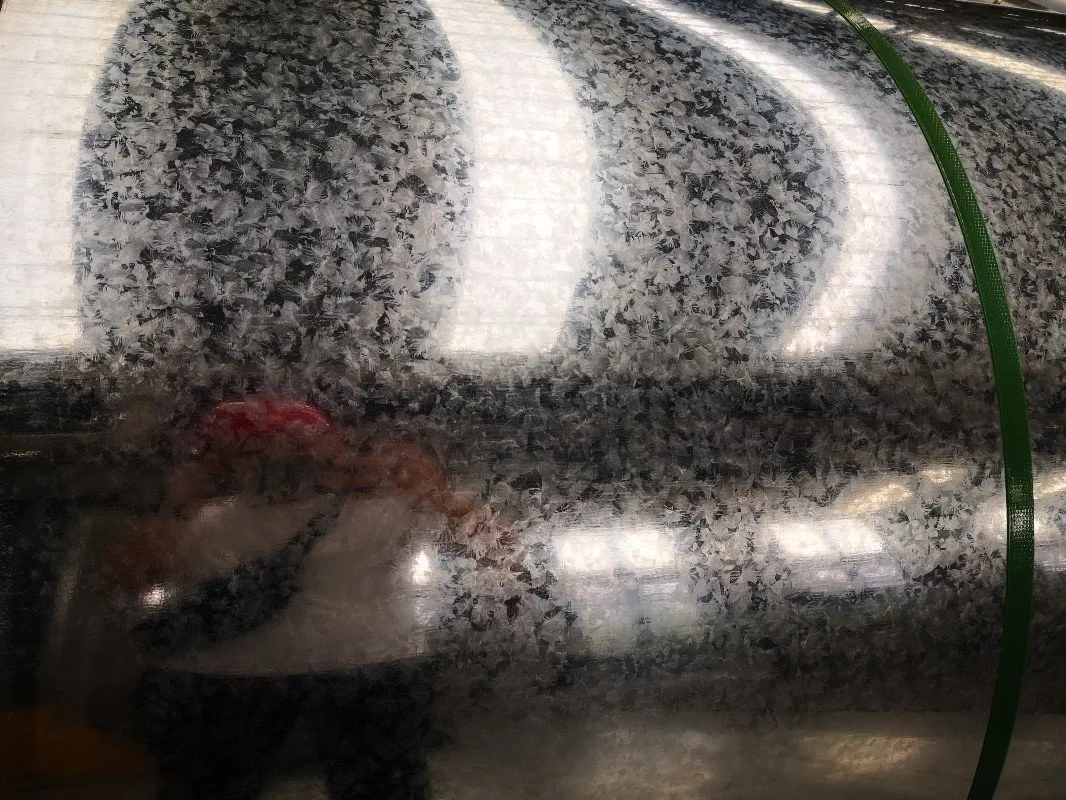
GI पर कौन सी गुणवत्ता समस्याएं होती हैं—और उनका कारण क्या है?
दोष | निरीक्षण | सामान्य कारण |
|---|---|---|
| सफ़ेद जंग / गीले भंडारण का दाग़ | रैप के बीच सफ़ेद चूर्णीय या धूसर धब्बे | कोइल में संघनन, क्षतिग्रस्त वॉटरप्रूफ पैकिंग, कमजोर/गैर-उपस्थित पॅसिवेशन, लंबे आर्द्र भंडारण, बारिश के संपर्क के बाद अपर्याप्त वातानुकूलन |
| नंगे धब्बे / पतला जिंक | प्रारंभिक लाल जंग के द्वीप | एयर-नाइफ अस्थिरता, ड्रॉस, स्ट्रिप आकार, अपर्याप्त कोटिंग मास, कोटिंग के बाद रगड़ने वाला हैंडलिंग |
| स्पेंगल असमानता | असमान चमक या मंद पट्टियाँ | बैथ रसायन, कूलिंग दर, स्किन-पास अंतर; अक्सर सजावटी除非 कोटिंग मात्रा कम हो |
| कड़े मोड़ पर कोटिंग का दरार | बाहरी त्रिज्या पर ज़िंक की दरार | भारी कोटिंग + उच्च-प्रबलता वाली सब्सट्रेट, बहुत छोटा मोड़ त्रिज्या, अपर्याप्त लुब्रिकेशन, विपरीत मोड़ |
| काले निशान / घर्षण से जलन | रोल फॉर्मिंग के बाद गहरे रेखीय निशान | पर्याप्त तेल/AFP के बिना शुष्क फॉर्मिंग, गंदा रोल, उच्च प्रवेश तनाव, शीट-ऑन-शीट पिसाव |
| तेल की धारियां और गंदा सतह | धारियाँ, चिपचिपा धूल जमना | तेल की असमान परत, अधिक तेल भार, तेल लगाने के बाद गर्म भंडारण |
| कटाई के बाद किनारे का लहराव / वक्रता | खराब नेस्टिंग, ट्रैकिंग समस्याएं | आगमन आकार, गलत स्लिट तनाव, मंद चाकू, अवशिष्ट तनाव मुक्ति |
| बाद में रंग चिपकने की विफलता | पाउडर/कोइल कोटिंग पर फुंसली या खरोंच | अवशिष्ट तेल, असंगत पैसिवेशन, जैविक लेप से पहले असंपूर्ण सफाई/पूर्व-उपचार |
खरीदारों को गैल्वेनाइज़्ड स्टील कोइल कैसे निर्धारित करना चाहिए?
- मानक और ग्रेड: ASTM A653 CS/FS/SS ग्रेड xx, या EN 10346 DX51D+Z / S350GD+Z आदि।
- मोटाई, चौड़ाई, कोइल ID/OD, और क्या मोटाई कुल उत्पाद मोटाई है।
- कोटिंग निर्दिष्टीकरण: G60/G90 या Z180/Z275 (और यदि प्रयुक्त हो तो किसी भी एक-पक्षीय आवश्यकताएँ)।
- सतह: नियमित/न्यूनतम स्पैंगल; स्किन-पास्ड या नहीं; उजागर/अउजागर गुणवत्ता।
- उपचार पैकेज: क्रोमेटेड या Cr-मुक्त संपाचित; AFP यदि आवश्यक हो; तैलीय/शुष्क और लक्ष्य तेल परिसर।
- आकार देने के लिए यांत्रिक लक्ष्य: अभ्यावस्था, तन्यता, विस्तारण या कठोरता बैंड।
- परीक्षण: कोटिंग द्रव्यमान (त्रि-बिंदु), तन्यता, बंकन, और कोइल संख्याओं से MTC लिंकेज।
- गंतव्य की जलवायु और नौकायन की अवधि के अनुसार पैकेजिंग।
हल्की इंडोर फेब्रिकेशन के लिए, नियंत्रित तेल के साथ हल्का जस्ता पर्याप्त हो सकता है। एक्सटीरियर कंस्ट्रक्शन सब्सट्रेट के लिए, सत्यापित पैसिवेशन और एक्सपोर्ट पैकिंग के साथ G90/Z275 एक सामान्य डिफ़ॉल्ट है। तीव्र फॉर्मिंग के लिए, कोटिंग ऐडहेशन पर चर्चा करें और यह भी कि क्या हल्का कोटिंग मास या फॉर्मिंग ग्रेड क्रैकिंग के जोखिम को कम करता है।
मुख्य निष्कर्ष
GI प्रदर्शन एक सिस्टम है: जस्ता मास संक्षारण रिज़र्व निर्धारित करता है; पैसिवेशन/क्रोमेटिंग और AFP लॉजिस्टिक्स की ظاہری छवि की रक्षा करते हैं; तेल वजन फॉर्मएबिलिटी और स्वच्छता के बीच संतुलन बनाते हैं; और यांत्रिक ग्रेड plus किनारा/आकार गुणवत्ता तय करते हैं कि स्लिप, शीट और पैनल्स को वेस्ट के बिना उत्पादित किया जा सकता है या नहीं। अधिकांश "रहस्यमय" दावों का पता नमी प्रबंधन, कम स्पेसिफाइड सर्फेस ट्रीटमेंट, घर्षण, या असंगत बेंड तीव्रता की ओर जाता है—न कि केवल जस्ता धातु विज्ञान की ओर।
गैल्वेनाइज्ड स्टील कोइल, स्लिट स्ट्रिप, या शीट आवश्यकताओं के लिए, SUNSEA STEEL CO., LIMITED से [email protected] पर या https://wa.me/8615265552259 के माध्यम से WhatsApp +86 152 6555 2259 पर संपर्क करें।
Frequently Asked Questions
गैल्वेनाइज्ड स्टील कॉइल (GI) क्या है?
गैल्वेनाइज्ड स्टील कॉइल कोल्ड-रोल्ड स्टील होती है जिसे ज़िंक में लगातार हॉट-डिप कोटेड किया जाता है। इसे आम तौर पर ASTM A653/A653M, EN 10346, या JIS G3302 के अनुसार ऑर्डर किया जाता है और इसका उपयोग स्ट्रिप, शीट, डक्टिंग, फ्रेमिंग, और PPGI के सब्सट्रेट के रूप में किया जाता है।
G90 और Z275 में क्या अंतर है?
ये अलग-अलग इकाई प्रणालियों में मूल रूप से समान कोटिंग-मास निर्देशांक हैं। G90 का अर्थ है दोनों ओर कुल न्यूनतम ट्रिपल-स्पॉट औसत 0.90 oz/ft2; Z275 दोनों ओर कुल लगभग 275 g/m2 है। रूपांतरण में लगभग 1 oz/ft2 = 305 g/m2 का उपयोग होता है।
शिपिंग के दौरान गैल्वेनाइज्ड कॉइल में व्हाइट रस्ट क्यों होता है?
व्हाइट रस्ट नम भंडारण धब्बा है जो सीमित ऑक्सीजन वाले रैप्स के बीच फंसी नमी के कारण होता है। कमजोर पैसेवेशन, क्षतिग्रस्त पैकिंग, समुद्र परिवहन के दौरान संघनन, और लंबे समय तक आर्द्र भंडारण मुख्य संचालक हैं。
क्या मुझे GI कॉइल पर क्रोमेटिंग या Cr-मुक्त पैसेवेशन की आवश्यकता है?
रासायनिक पैसेवेशन नम-भंडारण धब्बा जोखिम को काफी कम करता है। कई बाजार अभी भी क्रोमेट उपचार स्वीकार करते हैं, लेकिन निर्यात और पर्यावरणीय रूप से प्रतिबंधित परियोजनाएं अधिक क्रोमियम-मुक्त पैसेवेशन की स्पेसिफाइ करती हैं。ऑर्डर पर रसायन का स्पष्ट उल्लेख करें。
गैल्वेनाइज्ड स्टील कॉइल पर आमतौर पर कितना तेल लगाया जाता है?
हल्के तेल फिल्म अक्सर प्रत्येक ओर 0.5-2.5 g/m2 के लगभग सीमा में होते हैं, मिल अभ्यास और ग्राहक फॉर्मिंग आवश्यकताओं पर निर्भर करते हैं。अतिरिक्त तेल पेंट करने की योग्यता और स्वच्छता के लिए हानिकारक है; अपर्याप्त तेल खरोंच और शुरुआती धब्बे बढ़ाता है。
क्या GI कॉइल का उपयोग पेन्ट किए बिना आउटडोर रॉफिंग के लिए किया जा सकता है?
हाँ, उपयुक्त जलवायु में जब कोटिंग मास, विवरण और रखरखाव पर्याप्त होते हैं। G60-G90 (Z180-Z275) सामान्य निर्माण सीमाएँ हैं。आक्रामक तटीय वातावरण या लंबे समय तक नंगे उपयोग के लिए, भारी ज़िंक या गैल्वेल्यूम जैसे वैकल्पिक सब्सट्रेट का मूल्यांकन किया जाना चाहिए。
सख्त मोड़ों पर ज़िंक क्रैकिंग के क्या कारण होते हैं?
उच्च-शक्ति वाले स्टील पर भारी कोटिंग, बहुत छोटे आंतरिक मोड़ त्रिज्या, खराब लुब्रिकेशन, और विपरीत मोड़ सामान्य कारण हैं。पूर्ण उत्पादन से पहले ग्रेड, कोटिंग मास, और टूलिंग त्रिज्या का मिलान करें。